Private expert guiding
Guides add context and access without turning the day into a checklist.

Vietnam Travelers Journey
Mountain and nature trail
Stories, tastes and heritage paced with private calm.
The Experience
Explore trekking tours Vietnam with mountain trails, village stays, private guides, route grades, and flexible itineraries.
View-led mountain lodges, quiet highland trails, village stays and soft trekking days with every transfer pre-arranged.
Guides add context and access without turning the day into a checklist.
Hotels are selected for service, location and a sense of place.
Each movement is checked against distance, weather and the desired pace.
Your designer keeps the plan flexible before and during the trip.
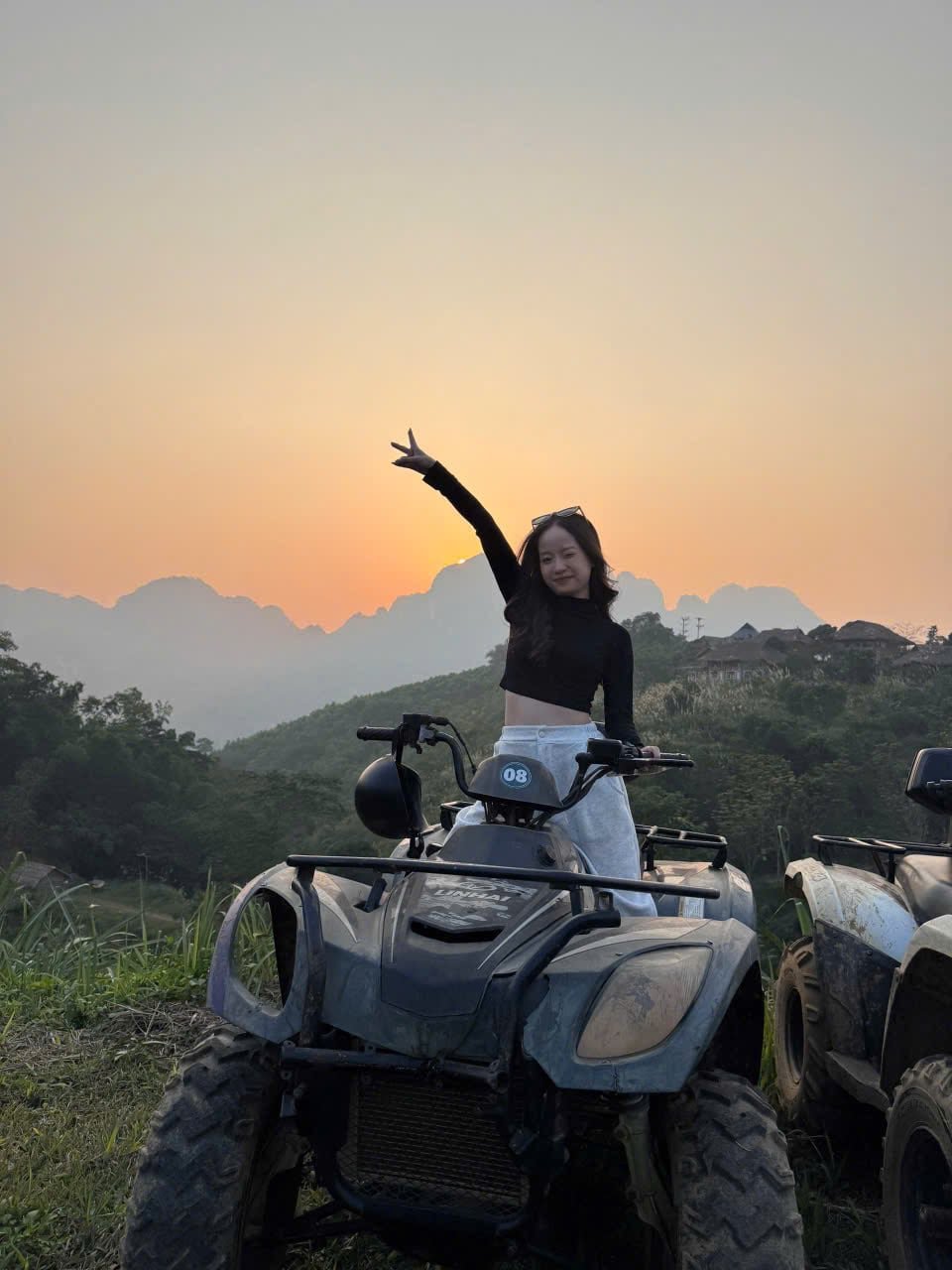
Photography
Your Journey
Private arrival support and a gentle introduction to the trekking tours rhythm.
Private guiding, curated stops and enough open space to enjoy the destination.
Hotels, dining and local access refined around your preferred pace.
Continue the route or slow the final morning before a private transfer.
What's Included
Sample Hotels
Hanoi, Vietnam
Hue, Vietnam
Laos
Hotels vary by departure date and availability. All properties meet our quality standard.
Trekking Tours Tours
These journeys are tagged and ranked for trekking tours based on route, activities, water time and the tour style data.
36 matching trekking tours tours
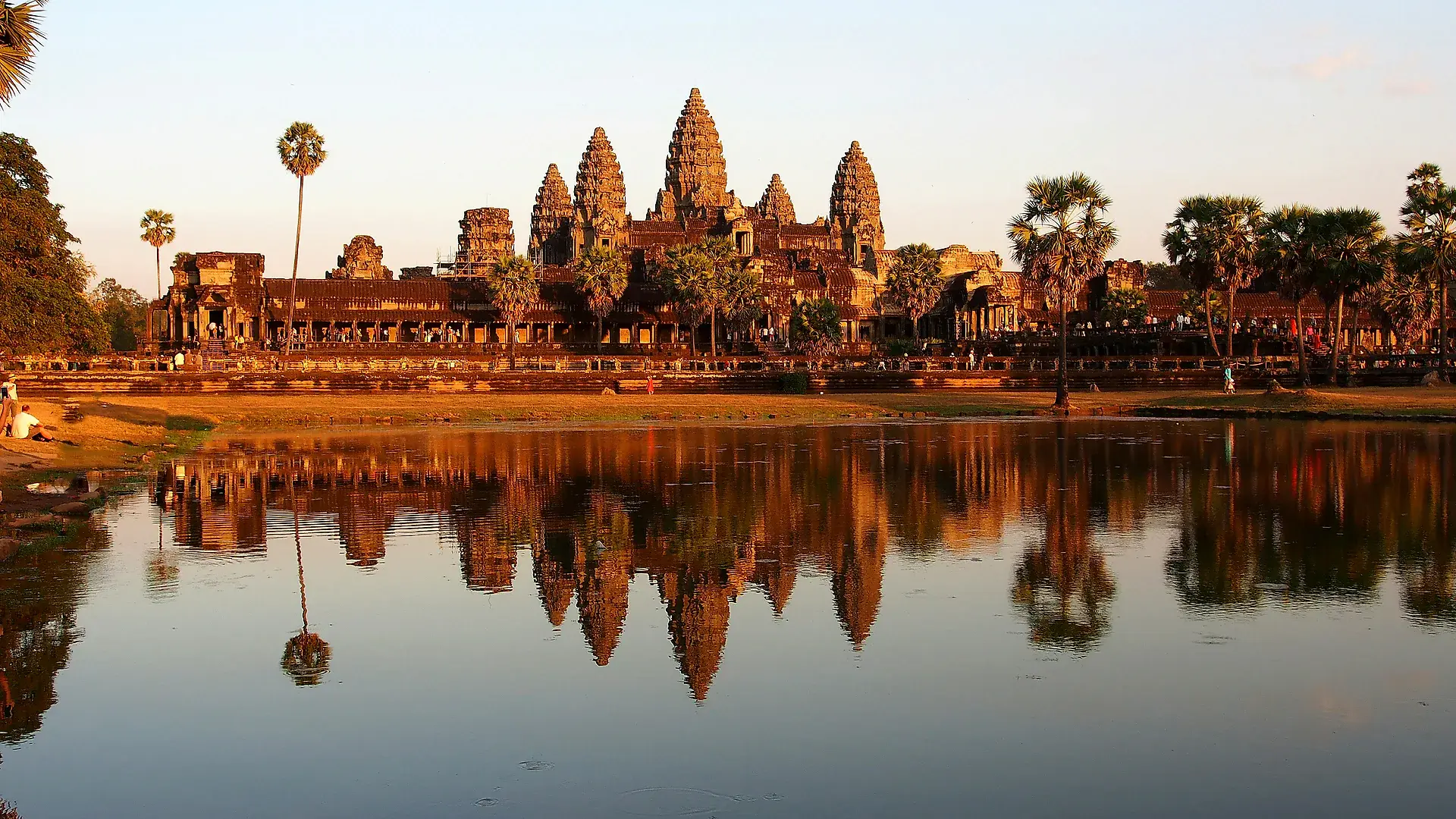
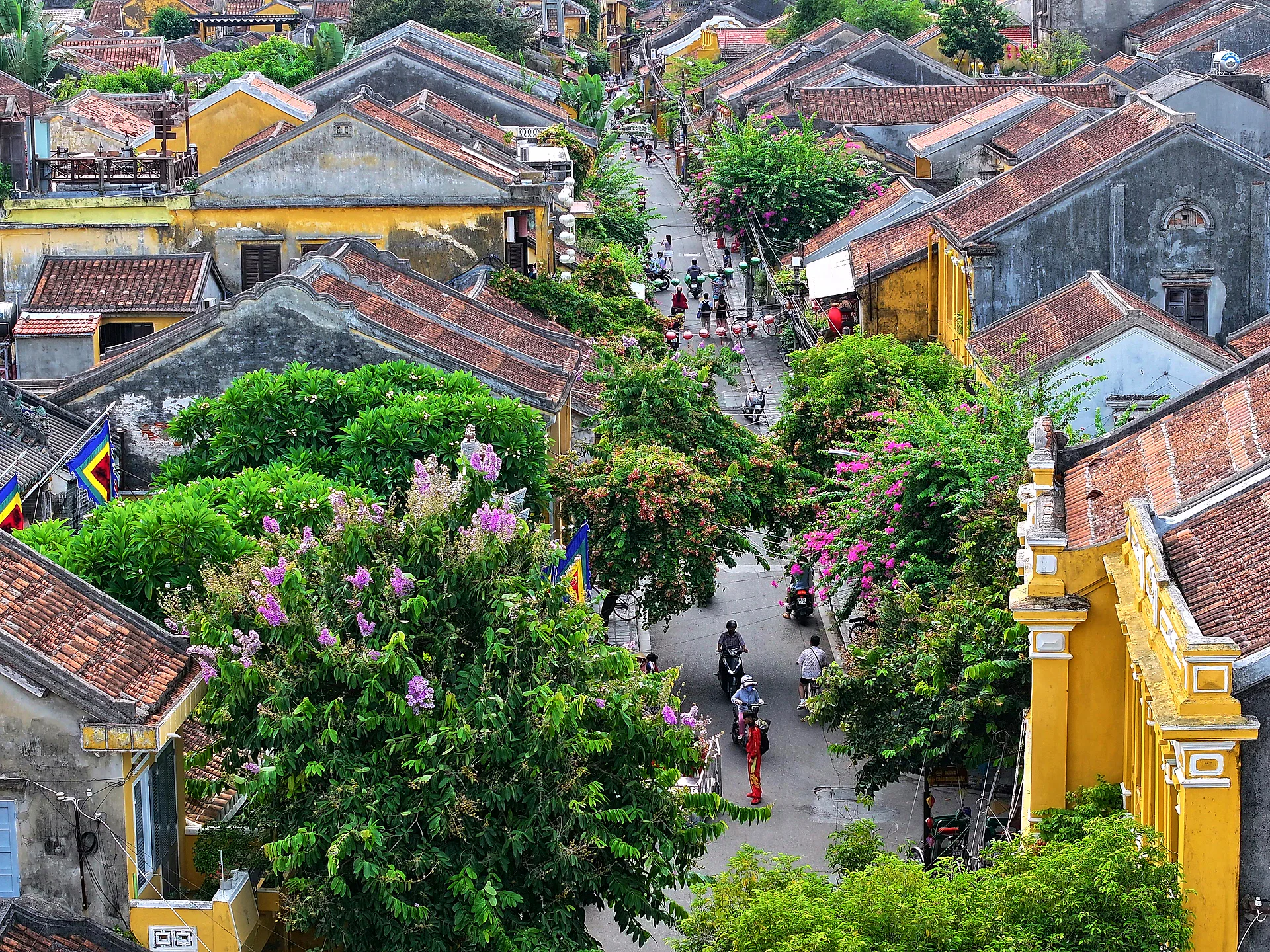
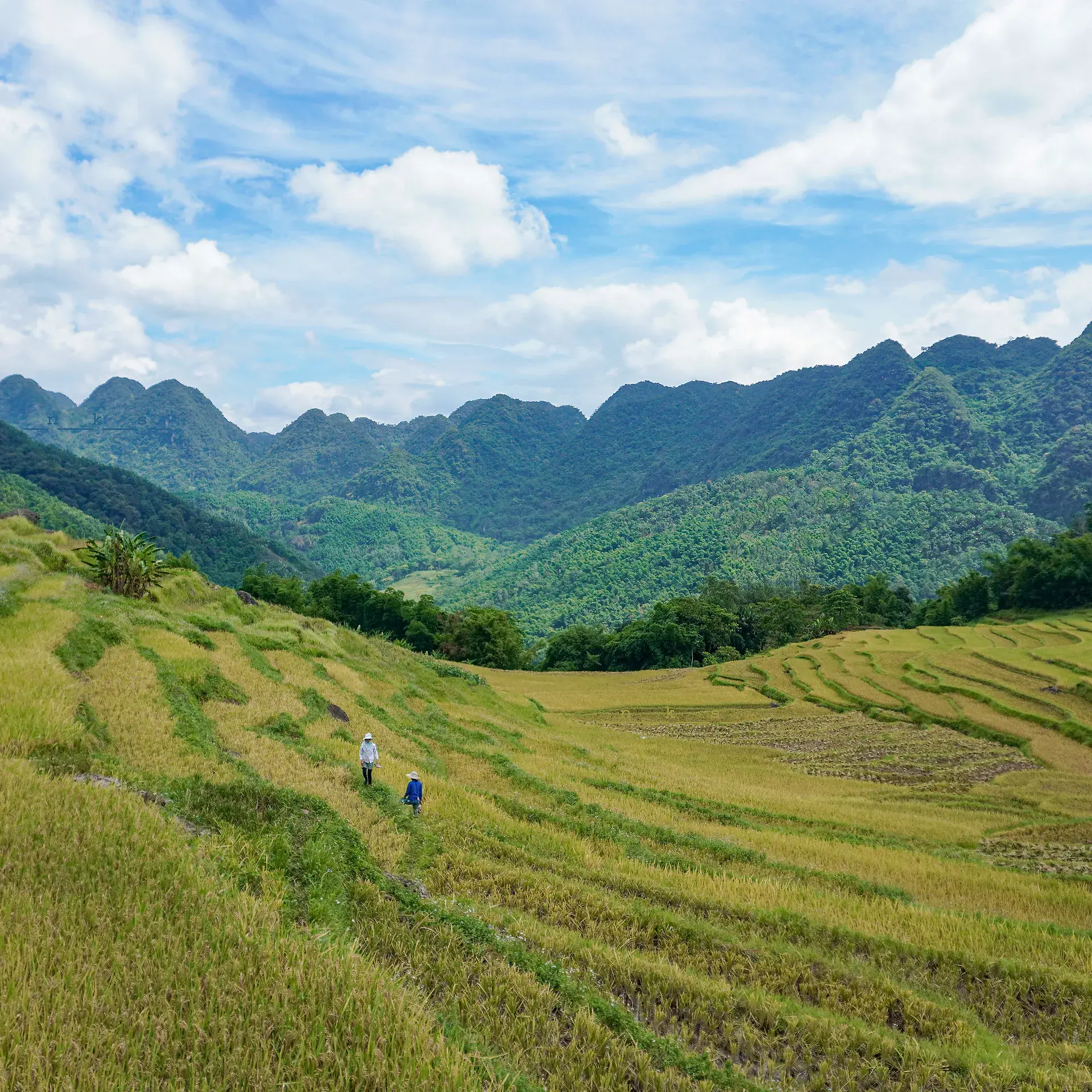
Trekking guide
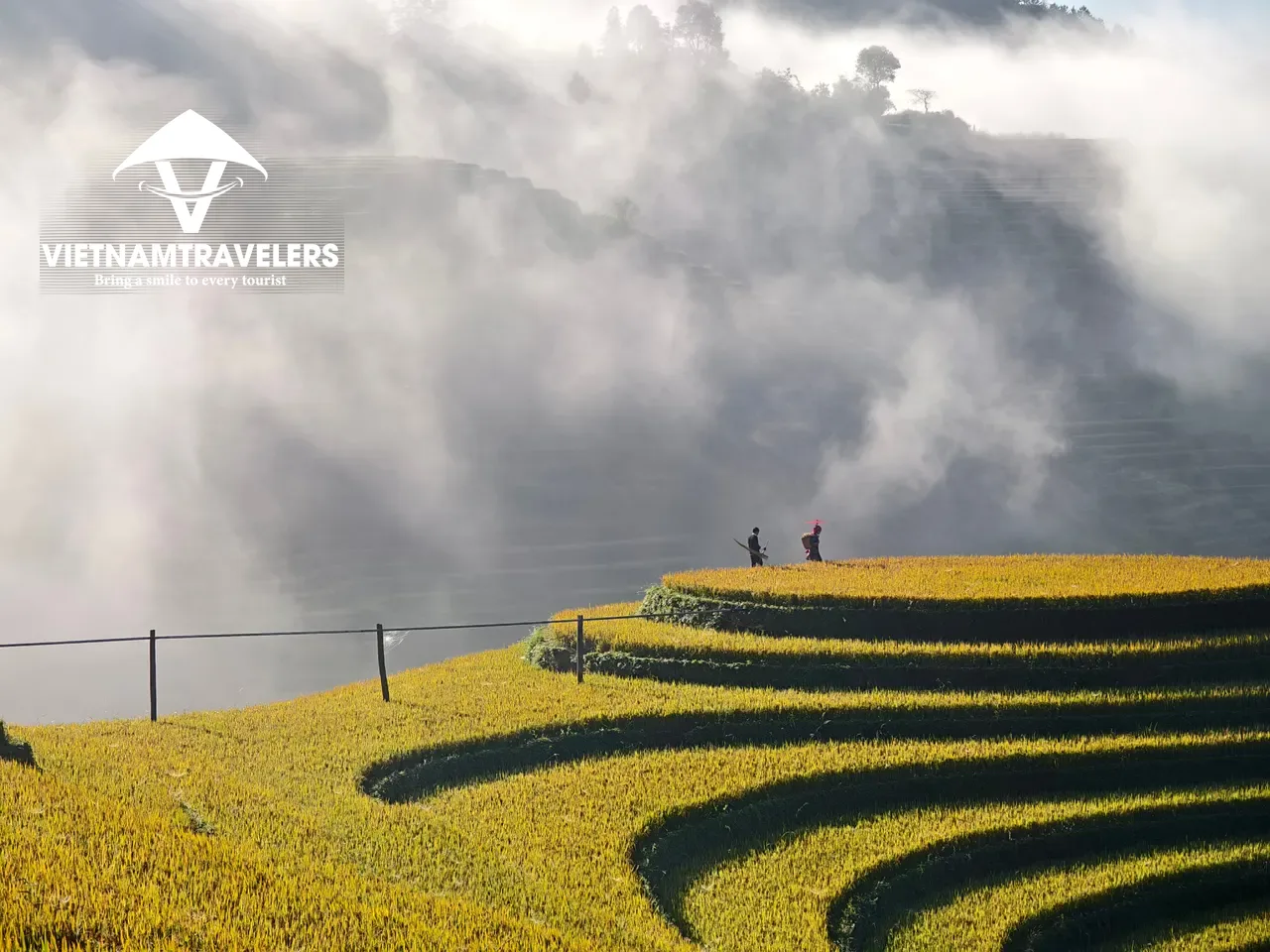
Trekking tours reveal Vietnam beyond major roads and crowded landmarks. Trails cross rice terraces, forest valleys, limestone ridges, and remote villages.
Each region creates a different walking experience. Careful planning must match terrain, weather, altitude, and daily distance.
A strong itinerary also protects local landscapes and community life. Guides help visitors understand customs while navigating unfamiliar trails.
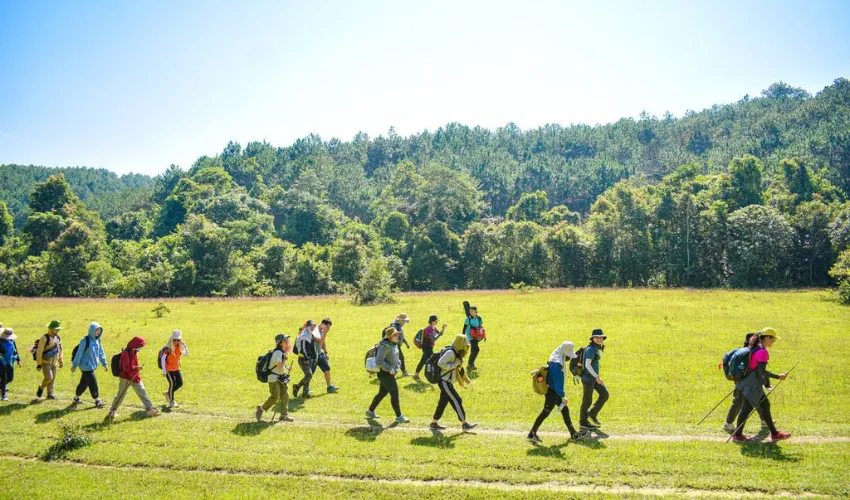
Programs may include village homestays, forest paths, ridge routes, waterfalls, and cave approaches. Difficulty can change quickly after rain.
Clear route grading should describe distance, elevation gain, trail surface, and estimated walking time.
Travelers can compare active journeys through Travel Styles. The hub connects trekking with adventure, culture, and responsible travel.
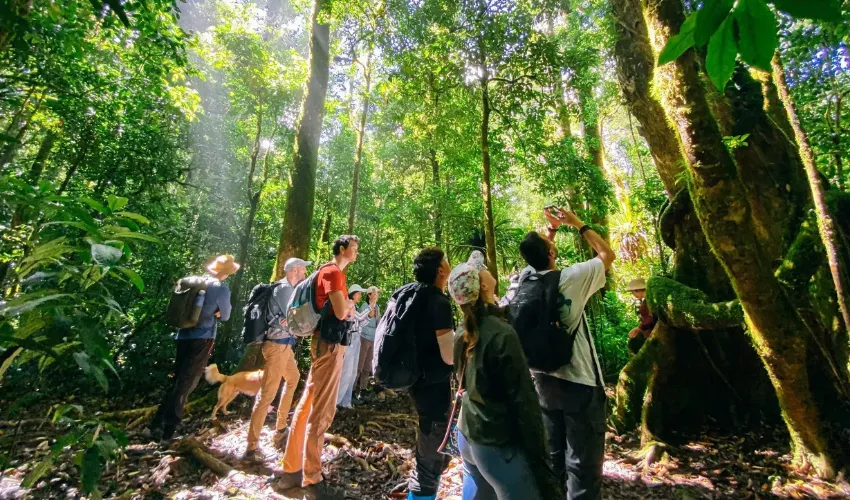
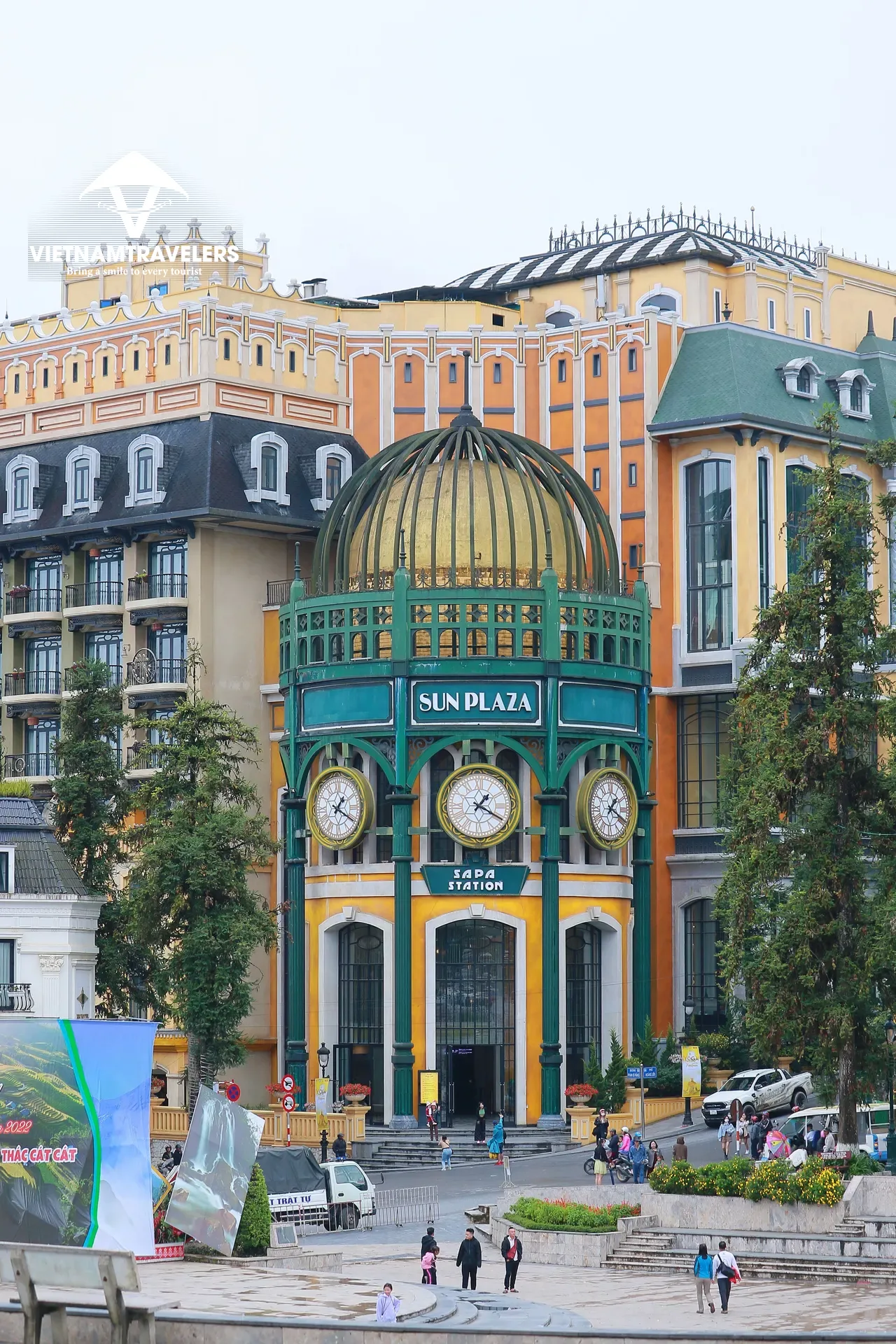
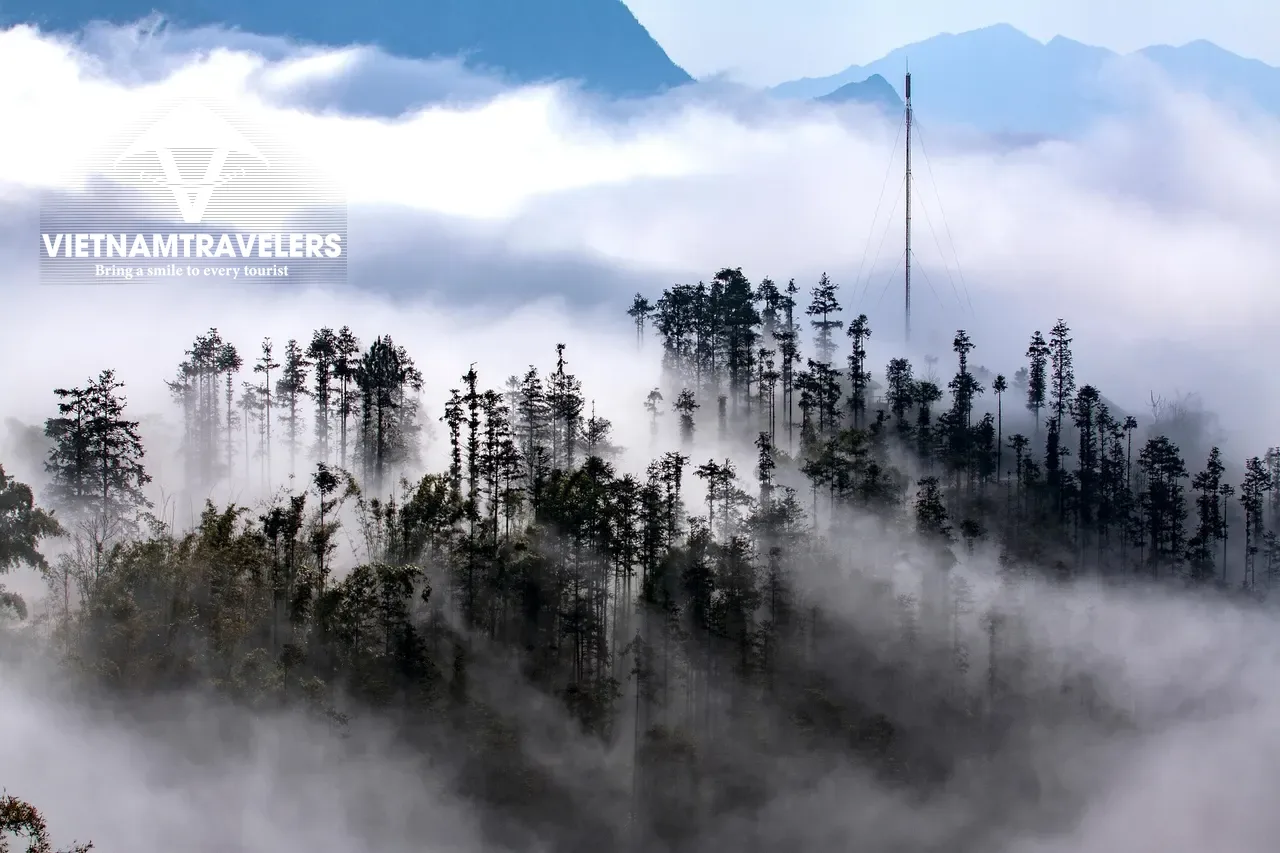
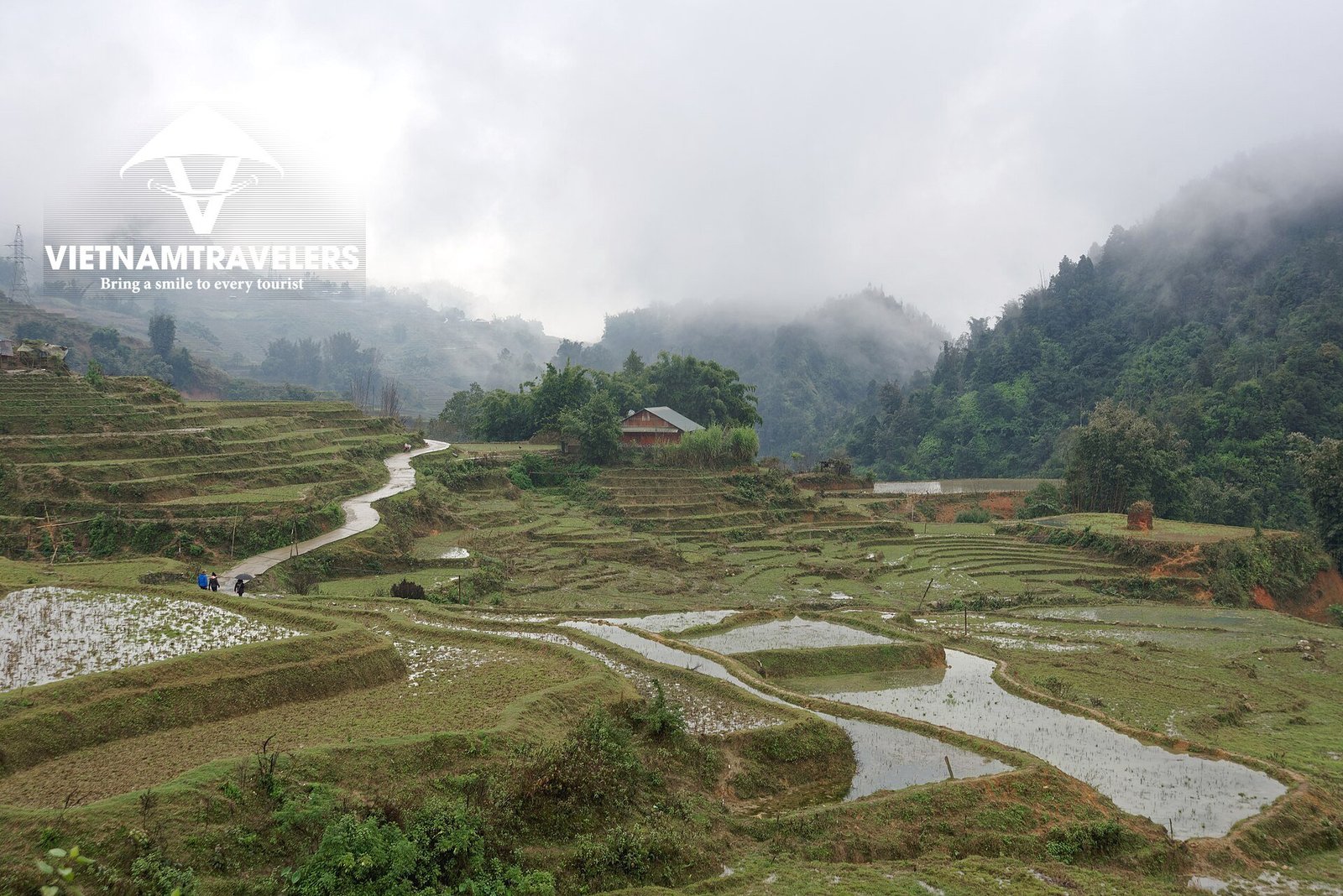
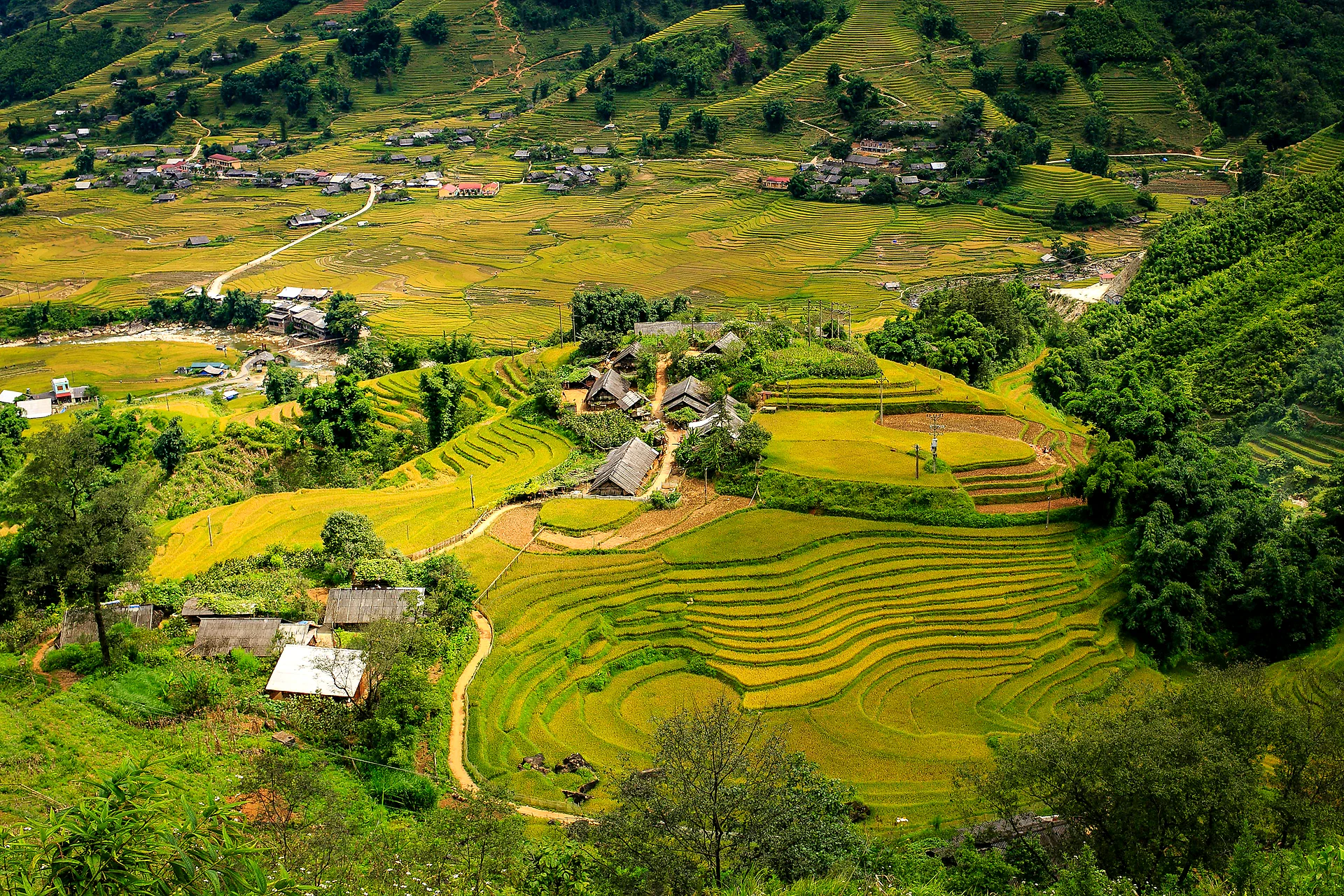
Sapa combines terraced fields, highland villages, and routes beneath the Hoang Lien range. Short walks and overnight treks are both available.
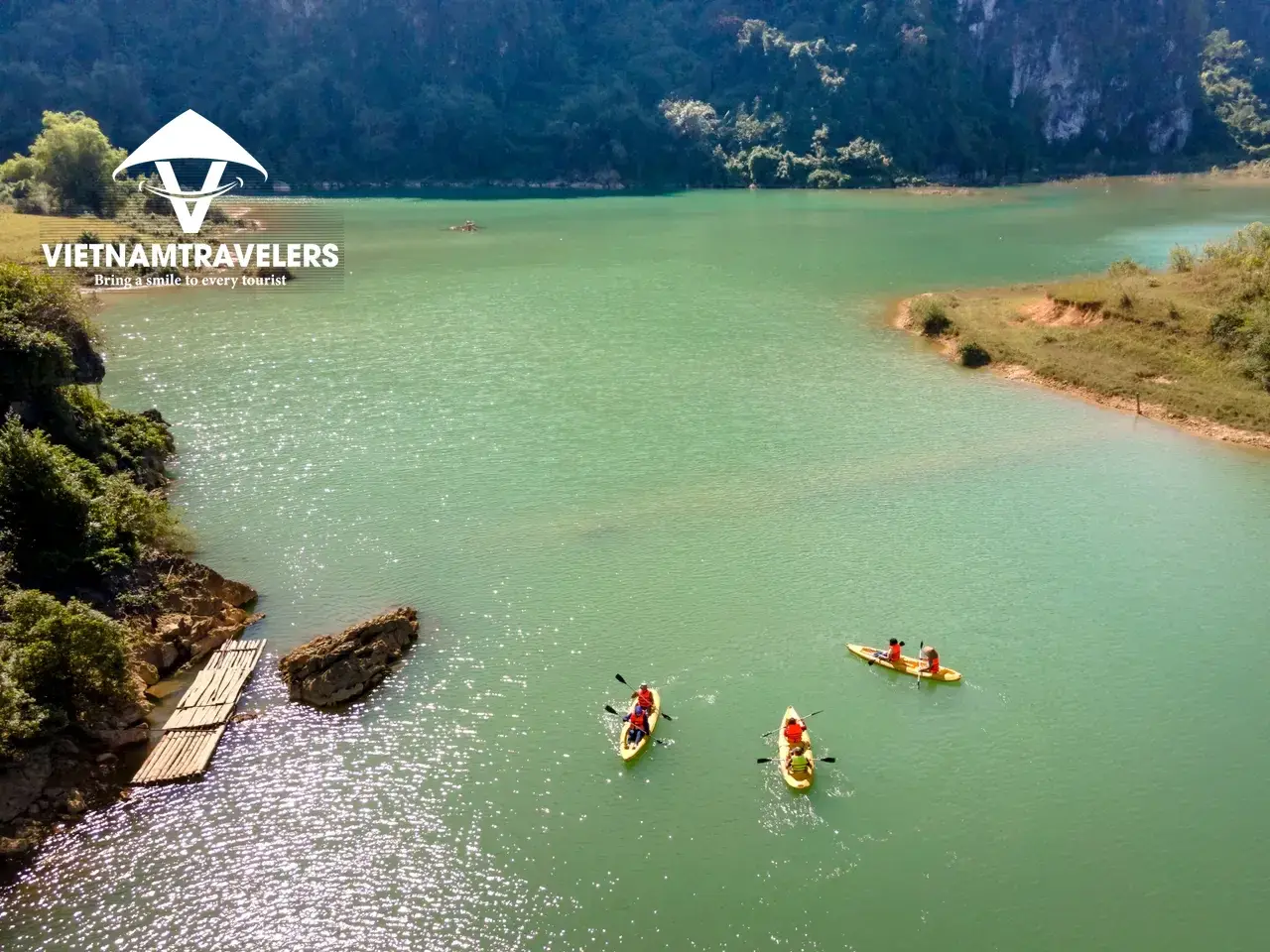
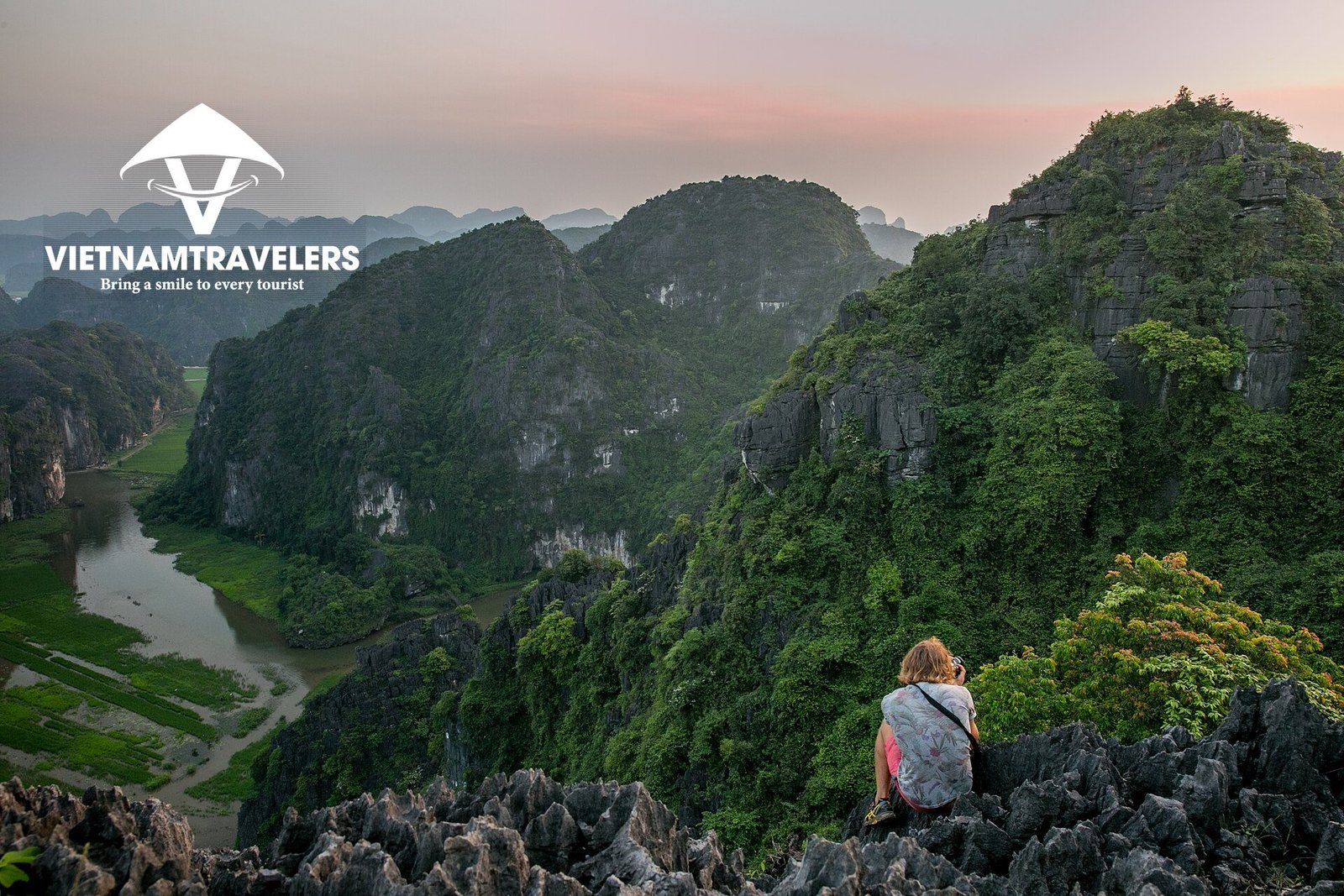
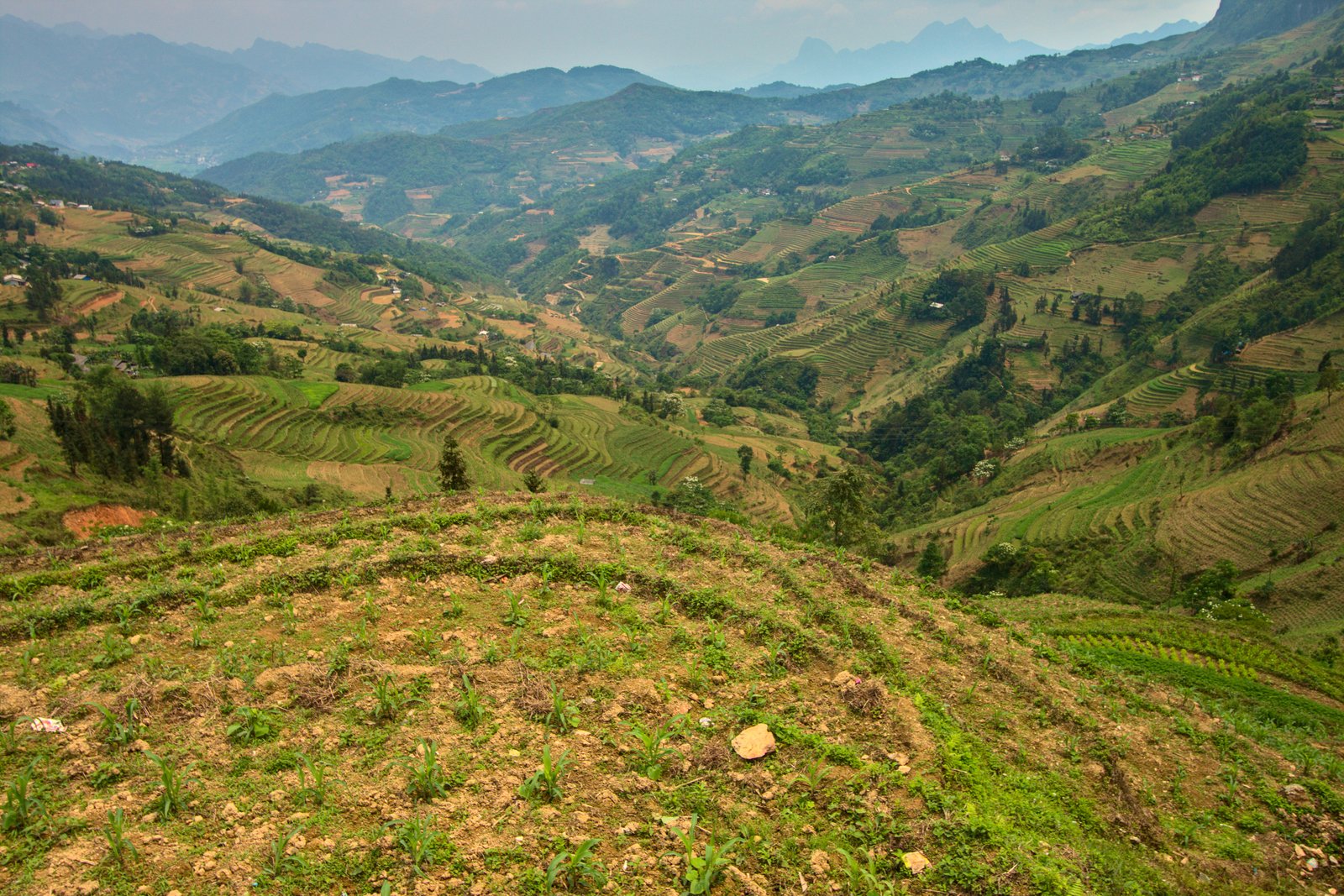
Ha Giang offers limestone valleys, steep passes, and remote communities. Local guides add valuable navigation and cultural context.
Pu Luong suits travelers seeking quieter paths and village stays. Forest, rice terraces, and traditional waterwheels shape the landscape.
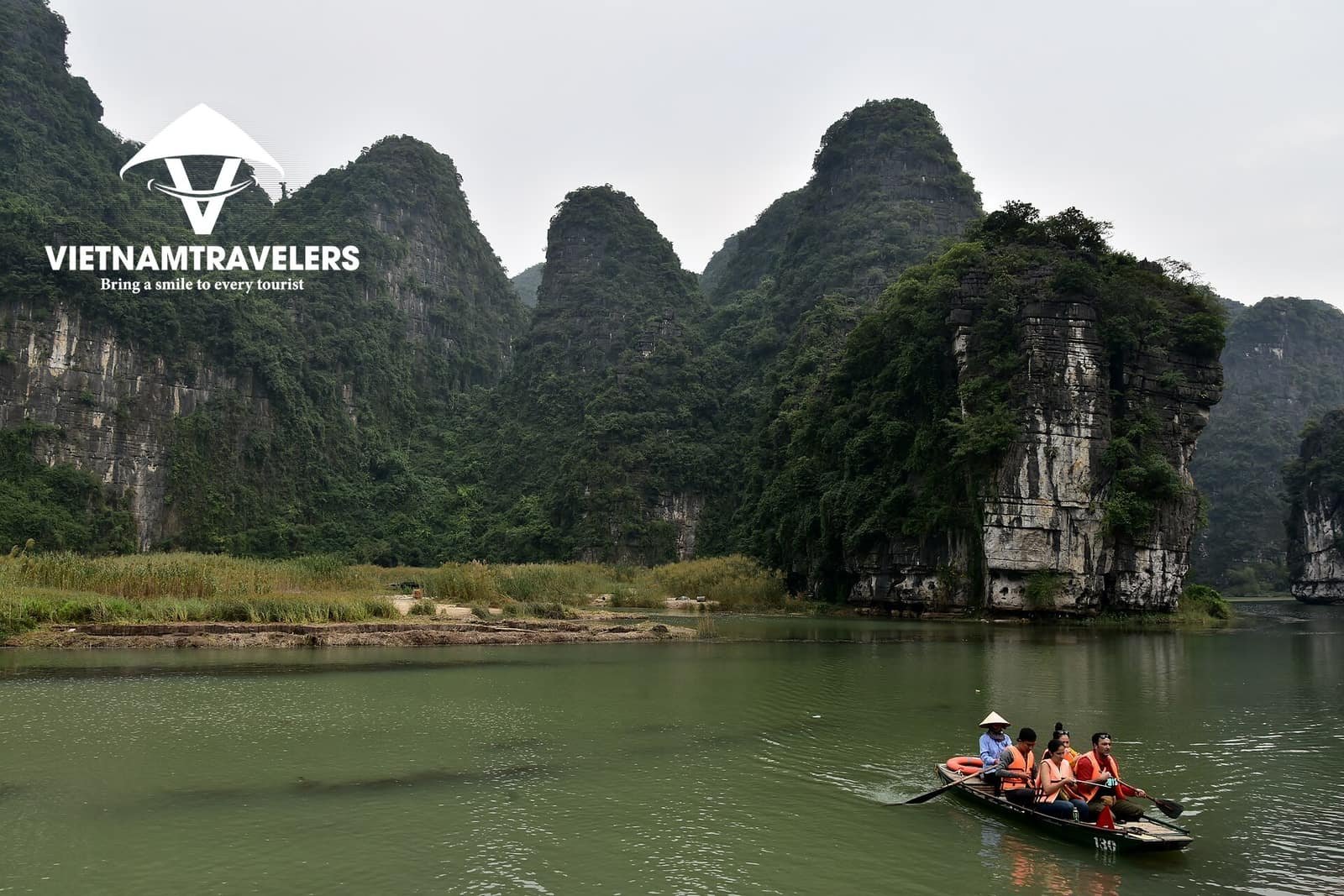
Phong Nha adds jungle trekking and cave environments. Some routes require specialist operators, permits, or fixed departure conditions.
Sapa tours: Choose terrace walks, ethnic villages, waterfalls, and optional overnight homestays.
Ha Giang tours: Explore karst valleys, highland paths, village markets, and less-traveled mountain landscapes.
Pu Luong tours: Combine rice terraces, forest trails, waterfalls, and quiet Thai or Muong communities.
Phong Nha tours: Add jungle routes, conservation experiences, and regulated cave adventures with specialist guidance.
Routes should respect local customs and trail limits. Sustainable and eco tours provide related planning principles.
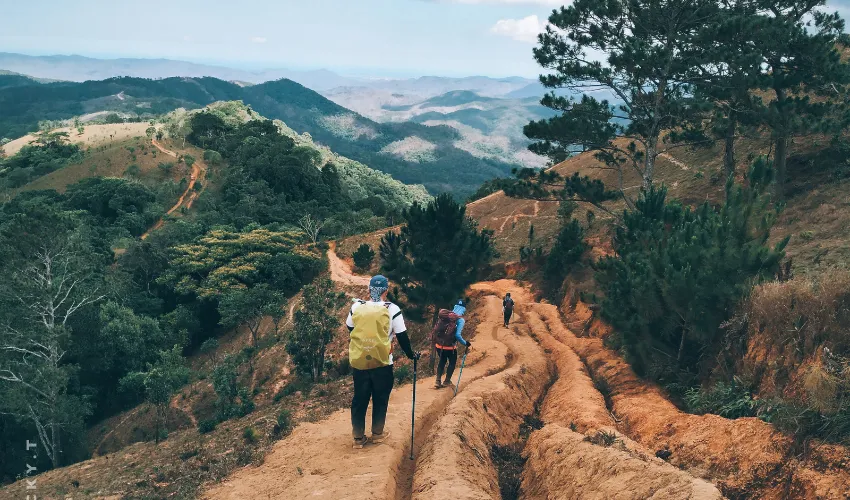
Steep descents, heat, mud, river crossings, and repeated climbs can increase effort. Altitude may also affect some northern routes.
Beginners should choose shorter days and stable paths. Experienced hikers may prefer longer ridge walks or deeper forest routes.
Review Vietnam tour packages before combining trekking with cities, cruises, or beach stays.
Travelers seeking broader outdoor choices can compare adventure tours. This link strengthens the active travel cluster.
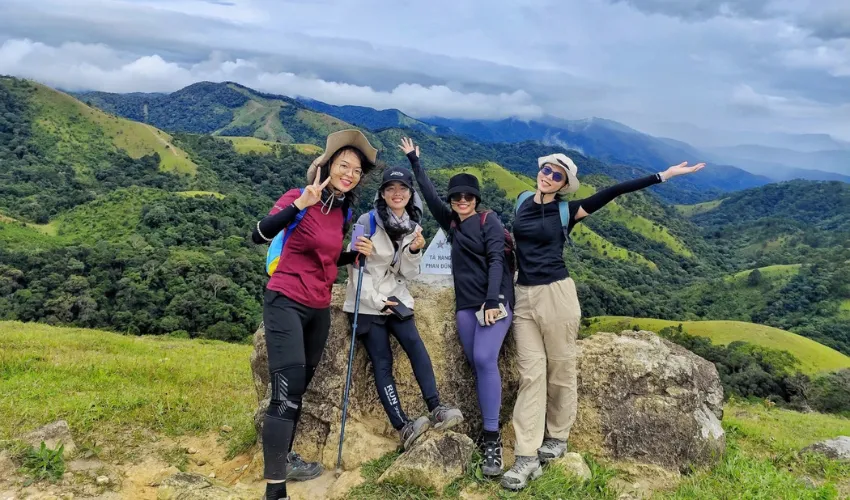
A private guide can adjust plans after weather changes or fatigue. Porters and vehicle support may be arranged on selected routes.
Travelers should share walking experience, health concerns, dietary needs, and luggage expectations before confirmation.
Private planning also supports slower village visits. This approach can create more respectful contact with local communities.
Flexible pacing: Shorten walking stages when weather, fatigue, or trail conditions change.
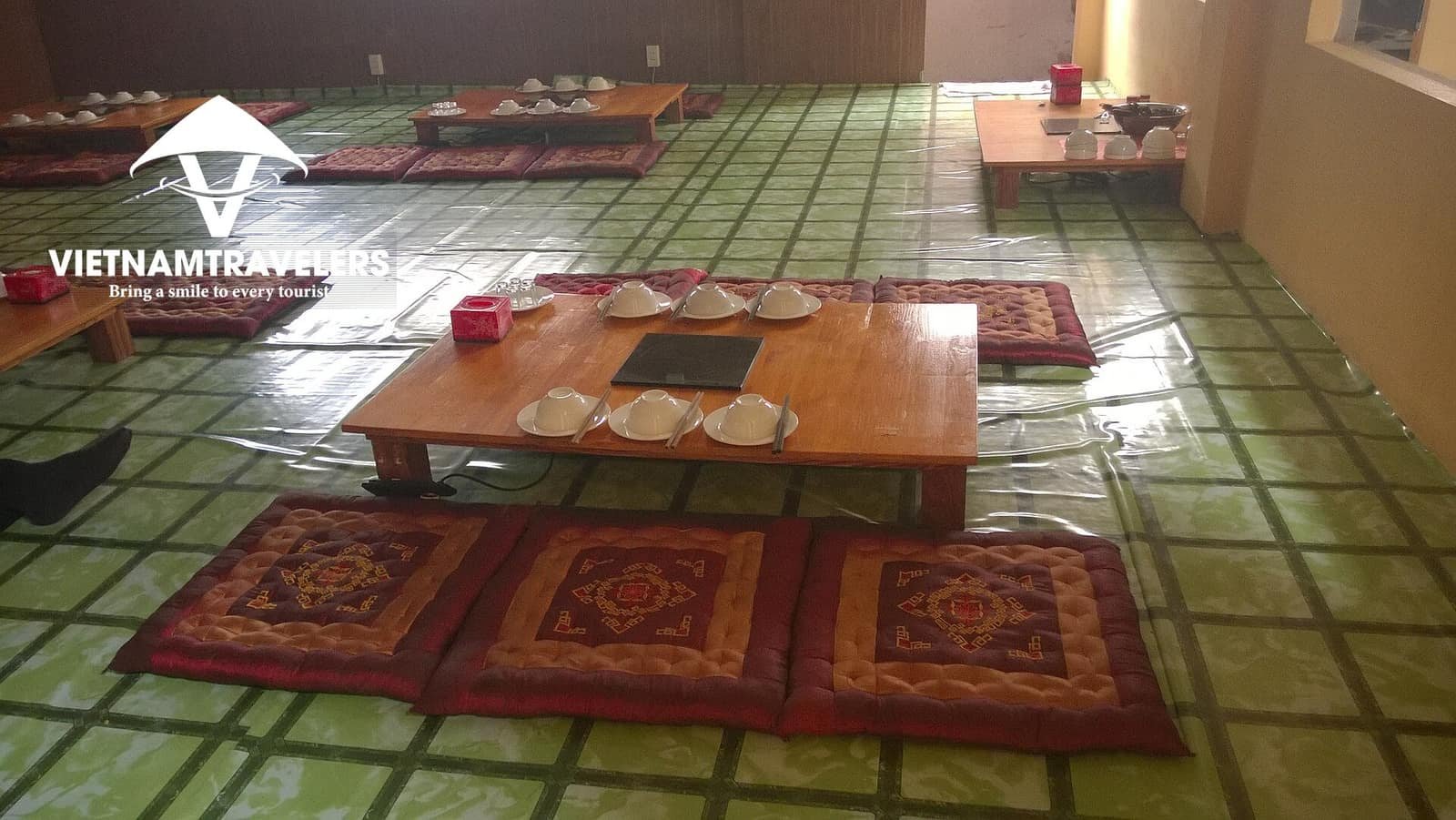
Selected lodging: Choose homestays, ecolodges, or hotels based on comfort and location.
Dedicated guide: Receive navigation support, local interpretation, and practical trail assistance.
Porter options: Reduce carried weight on routes where local porter services are available.
Tailored interests: Add photography, birdwatching, village visits, or cultural workshops.
The best private plan leaves time for weather changes and recovery. It should not force a fixed pace.
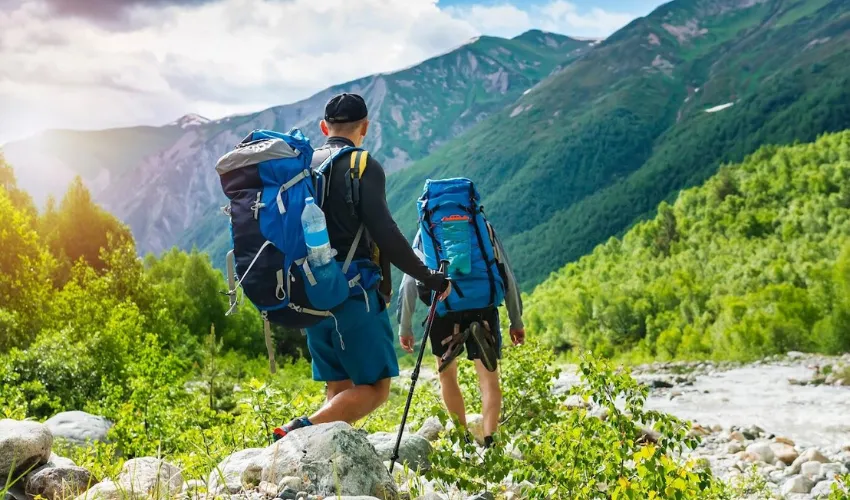
Travelers should confirm whether routes need guides, permits, porters, or specialist equipment. Requirements vary by destination and season.
Weather can change trail access at short notice. Flexible plans are essential during heavy rain, storms, or poor visibility.
Read the route grade: Confirm distance, elevation gain, trail surface, and expected walking hours.
Check guide support: Ask about qualifications, local knowledge, language skills, and group size.
Review equipment needs: Confirm trekking poles, sleeping gear, headlamps, and waterproof bags.
Plan for weather: Pack layers and allow route changes during rain, fog, or extreme heat.
Confirm meal arrangements: Share allergies and dietary needs before remote walking days.
Protect local places: Follow marked trails, reduce waste, and respect village photography rules.
Use written inclusions to compare guides, transfers, meals, permits, and support. Clear details improve booking decisions.
1. How many days suit a trekking tour in Vietnam?
Three to seven days suit most travelers. Longer trips can connect several mountain regions.
2. Are trekking tours suitable for beginners?
Yes. Beginners should choose graded routes, shorter walking days, and reliable guide support.
3. When is the best time for trekking in Vietnam?
Conditions vary by region. Northern routes often suit spring or autumn travel.
4. What should travelers pack for a trek?
Bring supportive footwear, light layers, rain protection, sun care, water, and personal medication.
5. Can trekking tours include homestays?
Yes. Many northern routes include village stays, local meals, and guided cultural exchanges.
References