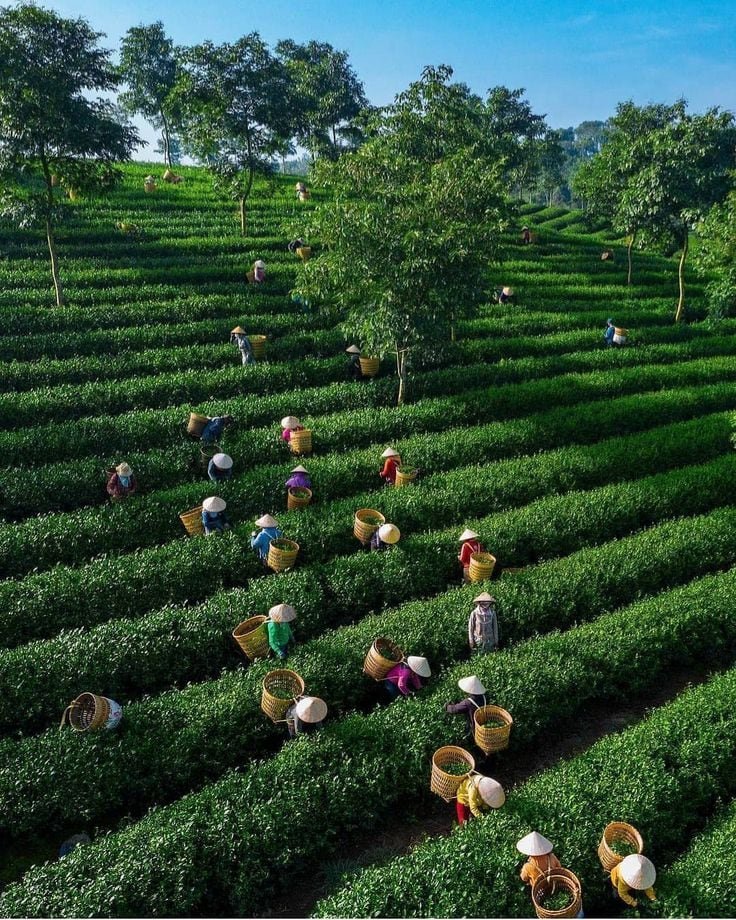
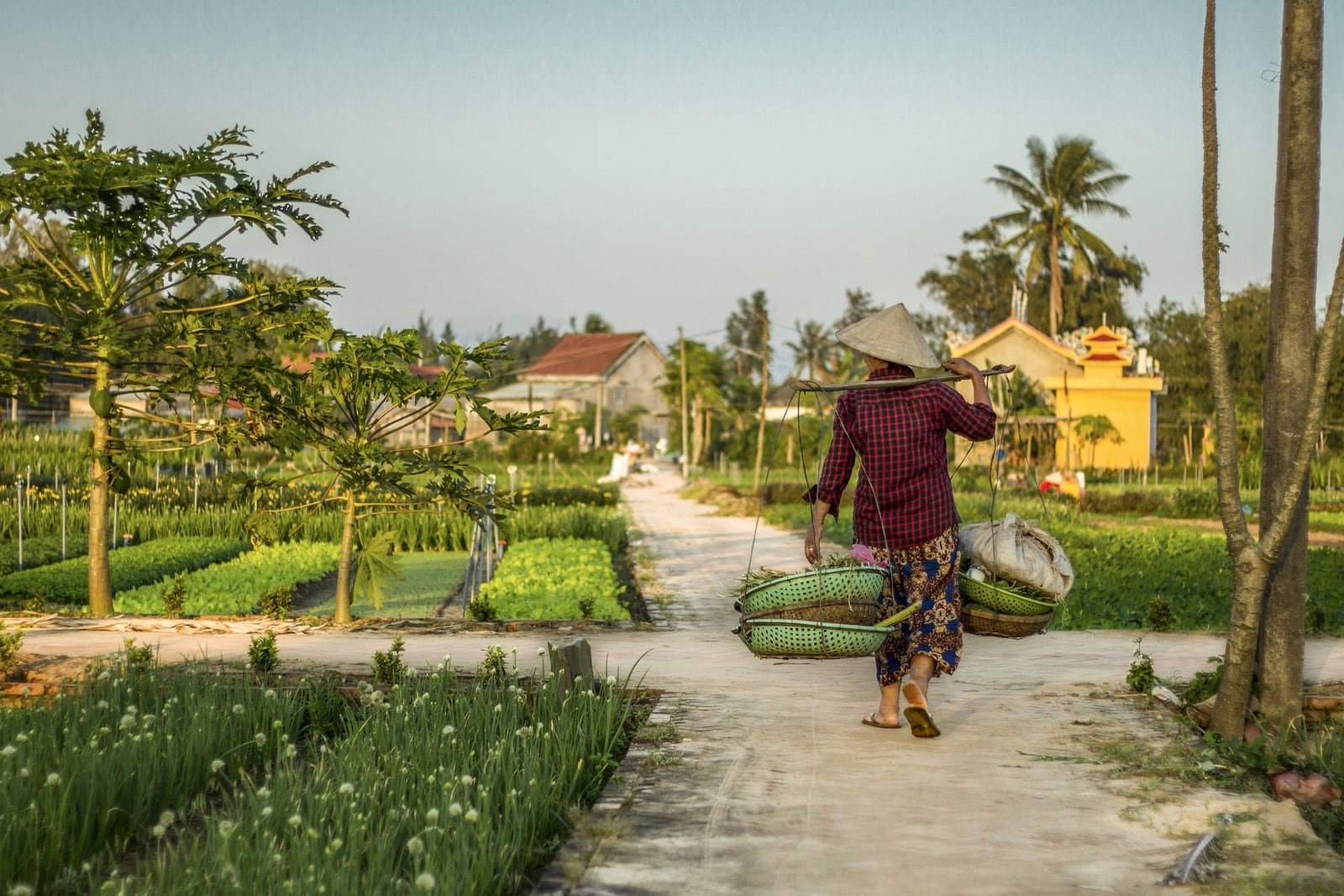
Private expert guiding
Guides add context and access without turning the day into a checklist.

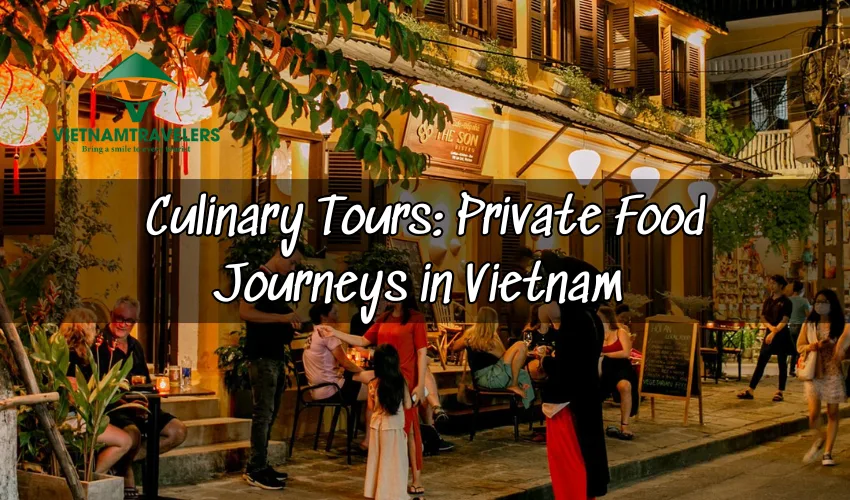
Vietnam Travelers Journey
Flavor and food story
Stories, tastes and heritage paced with private calm.
The Experience
Explore culinary tours in Vietnam with street food, markets, cooking classes, regional dishes, and flexible private itineraries.
Market walks, cooking classes, street food trails and chef tables with food-led routing and clean timing between meals.
Guides add context and access without turning the day into a checklist.
Hotels are selected for service, location and a sense of place.
Each movement is checked against distance, weather and the desired pace.
Your designer keeps the plan flexible before and during the trip.
Photography
Your Journey
Private arrival support and a gentle introduction to the culinary tours rhythm.
Private guiding, curated stops and enough open space to enjoy the destination.
Hotels, dining and local access refined around your preferred pace.
Continue the route or slow the final morning before a private transfer.
What's Included
Sample Hotels
Hanoi, Vietnam
Hue, Vietnam
Laos
Hotels vary by departure date and availability. All properties meet our quality standard.
Culinary Tours Tours
These journeys are tagged and ranked for culinary tours based on route, activities, water time and the tour style data.
36 matching culinary tours tours
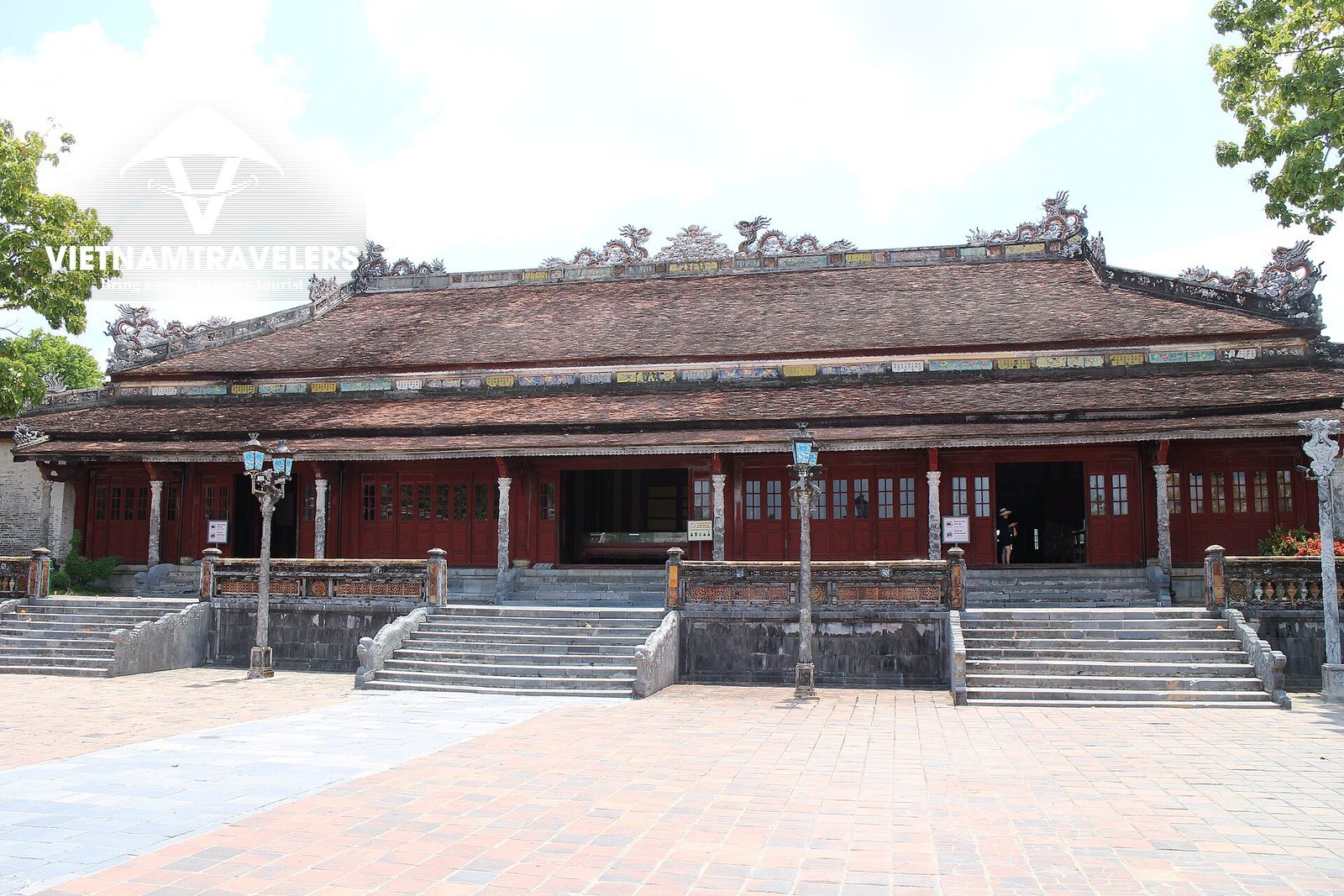
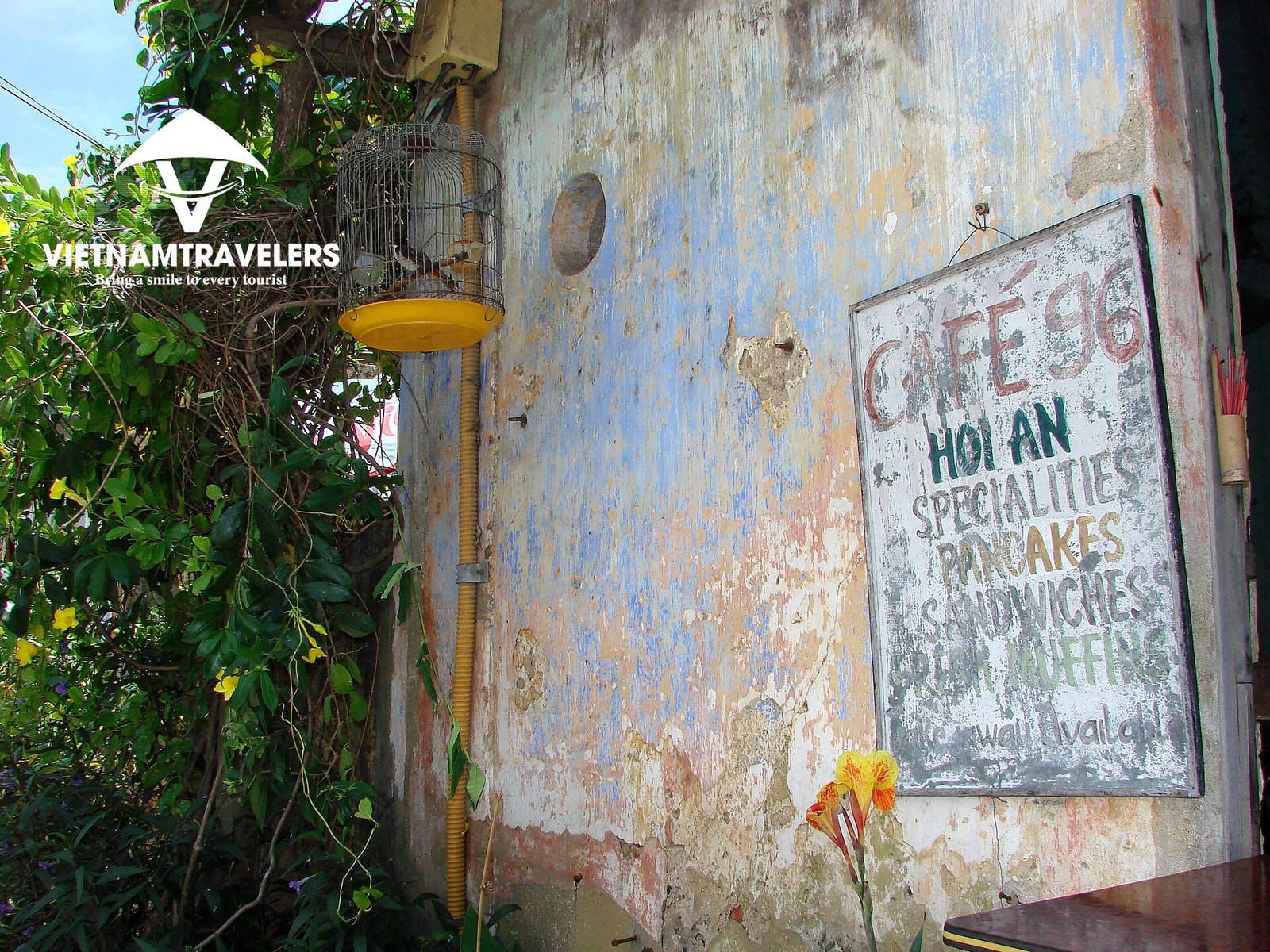
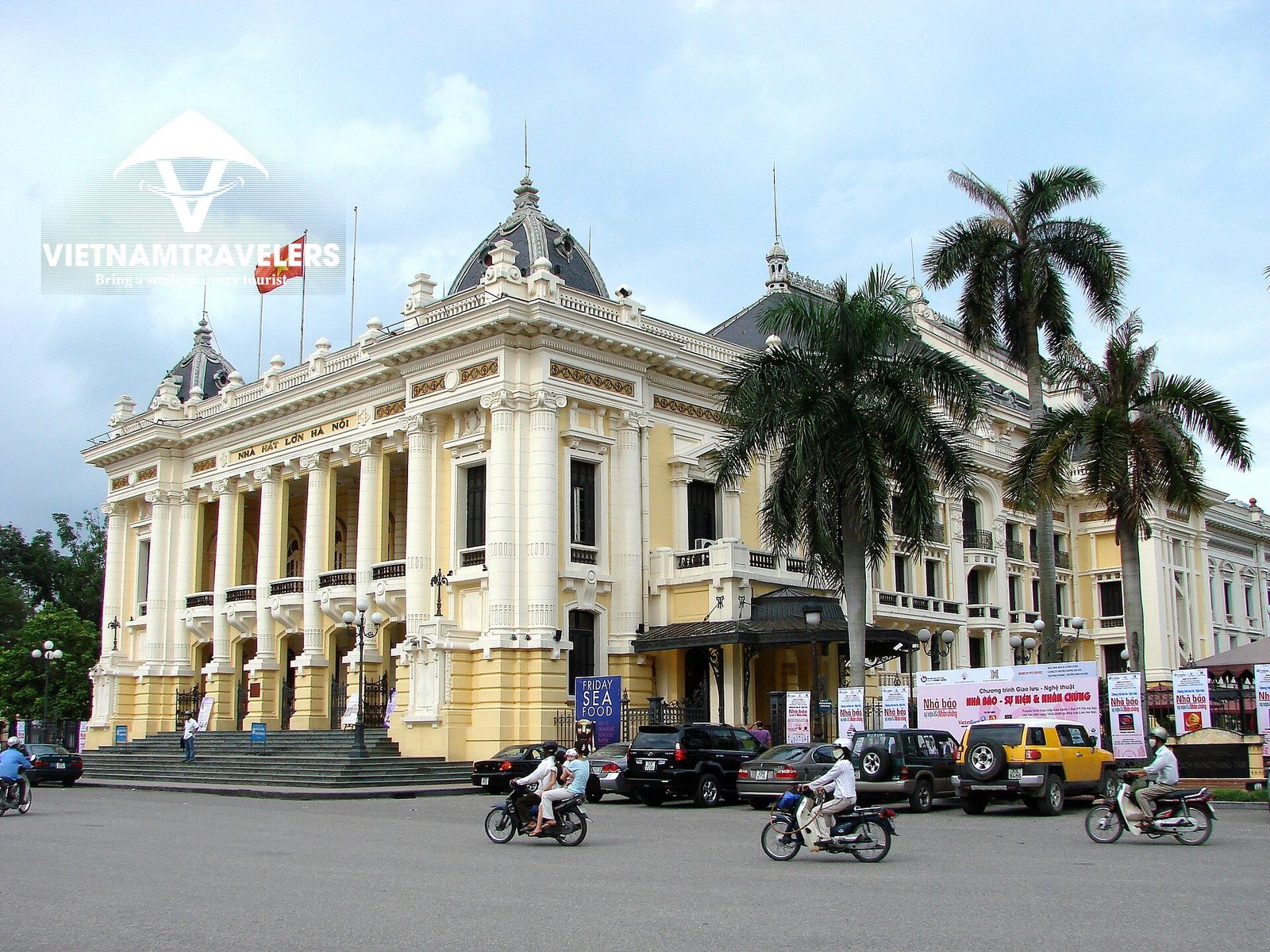
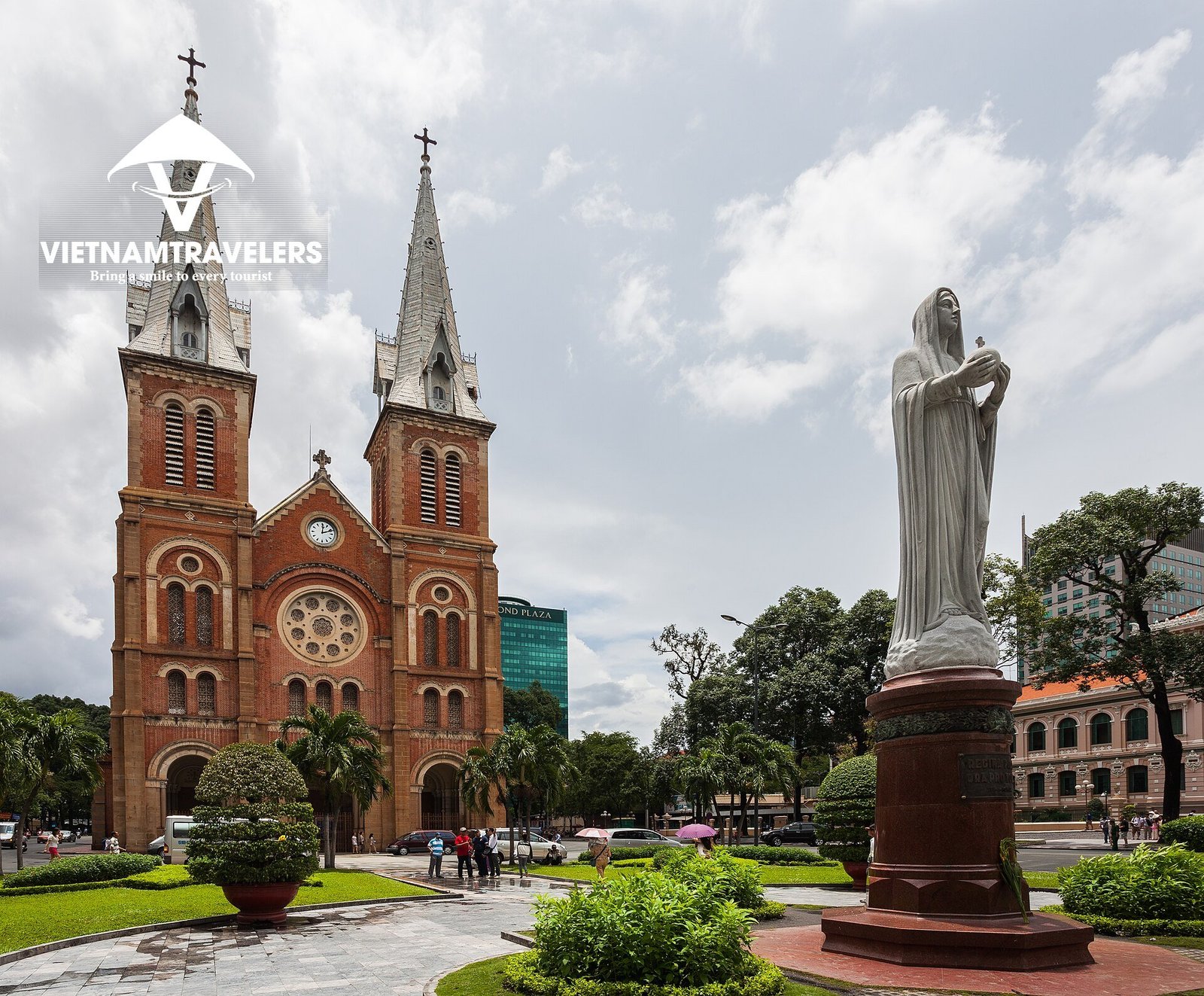

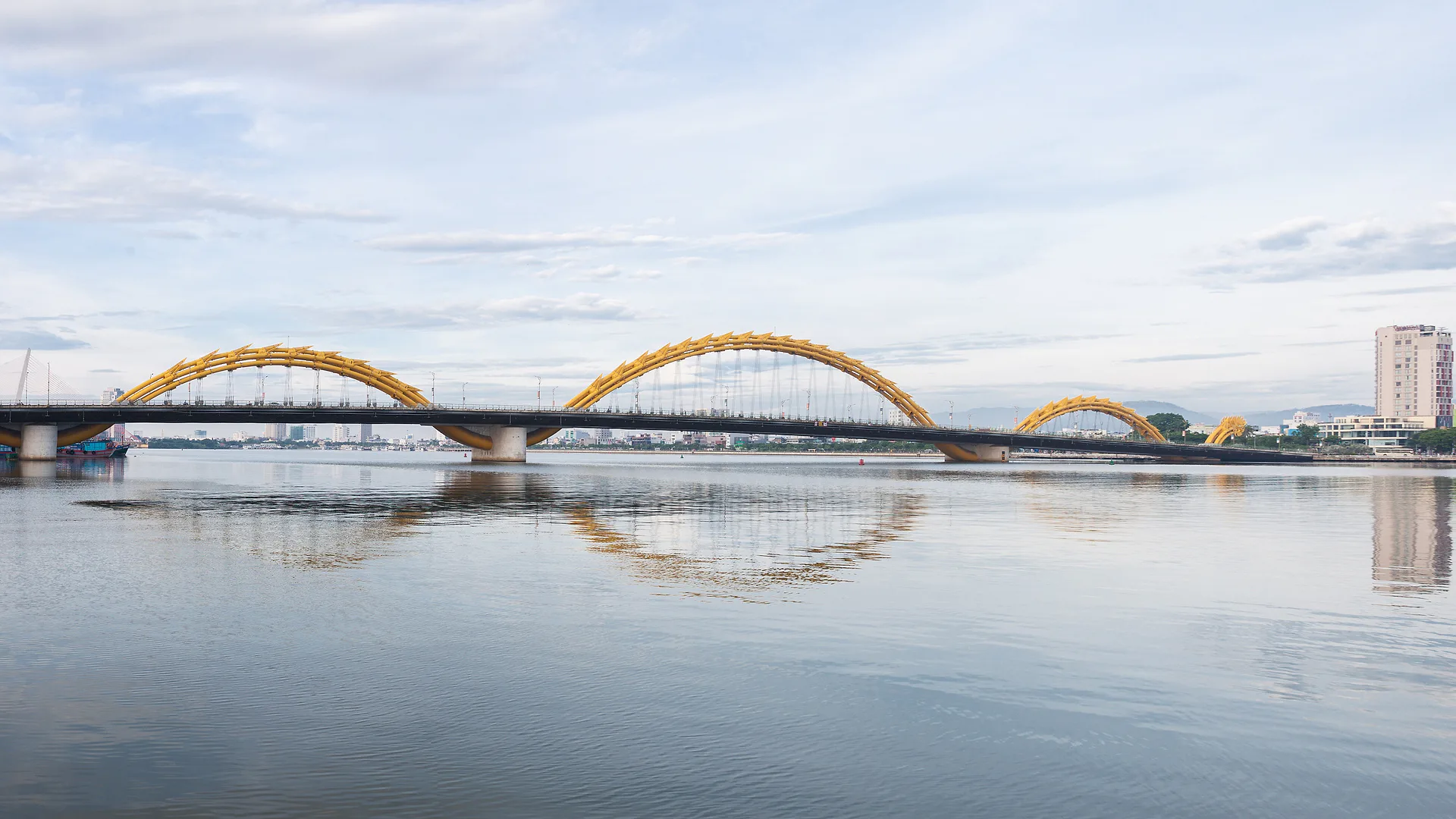
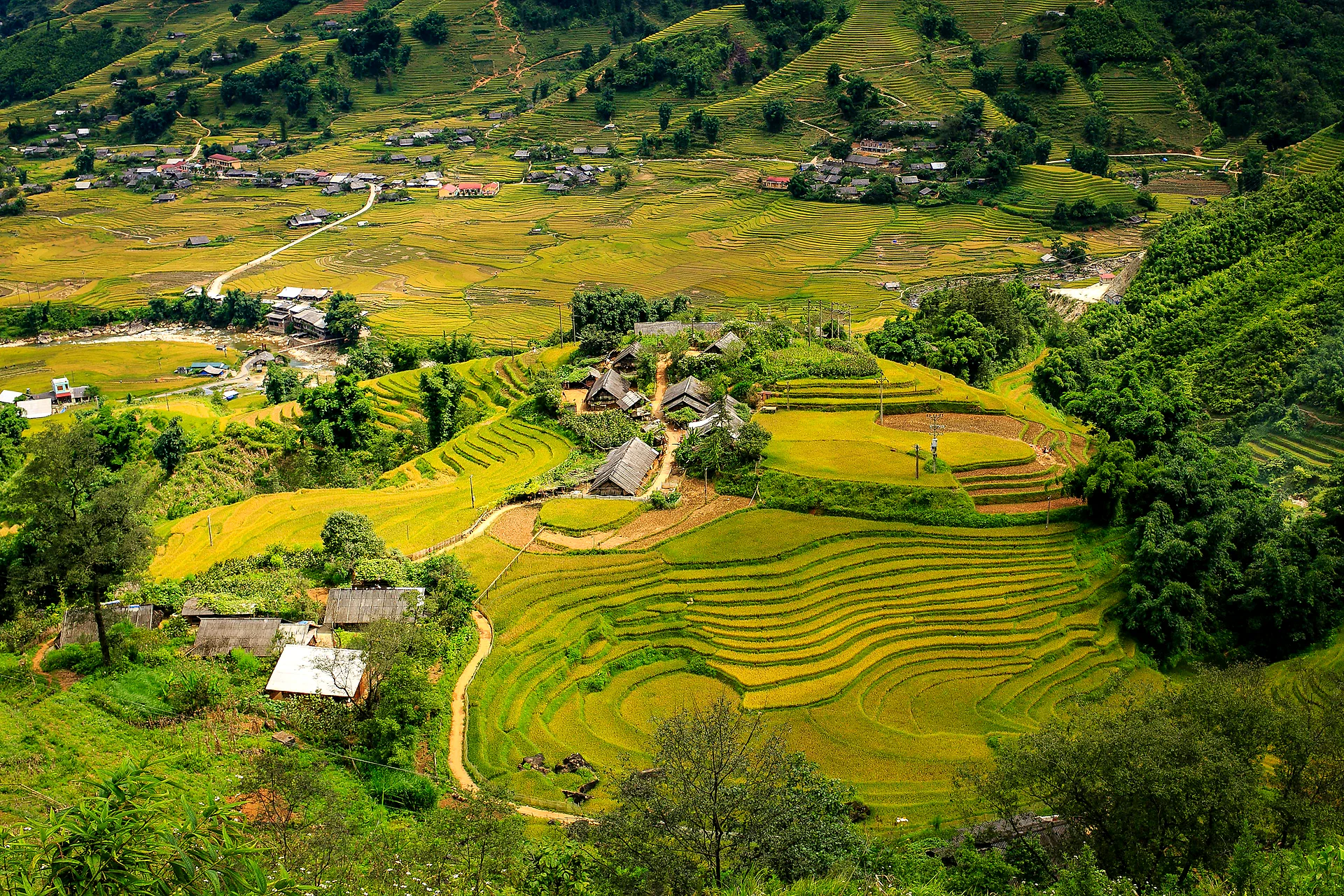
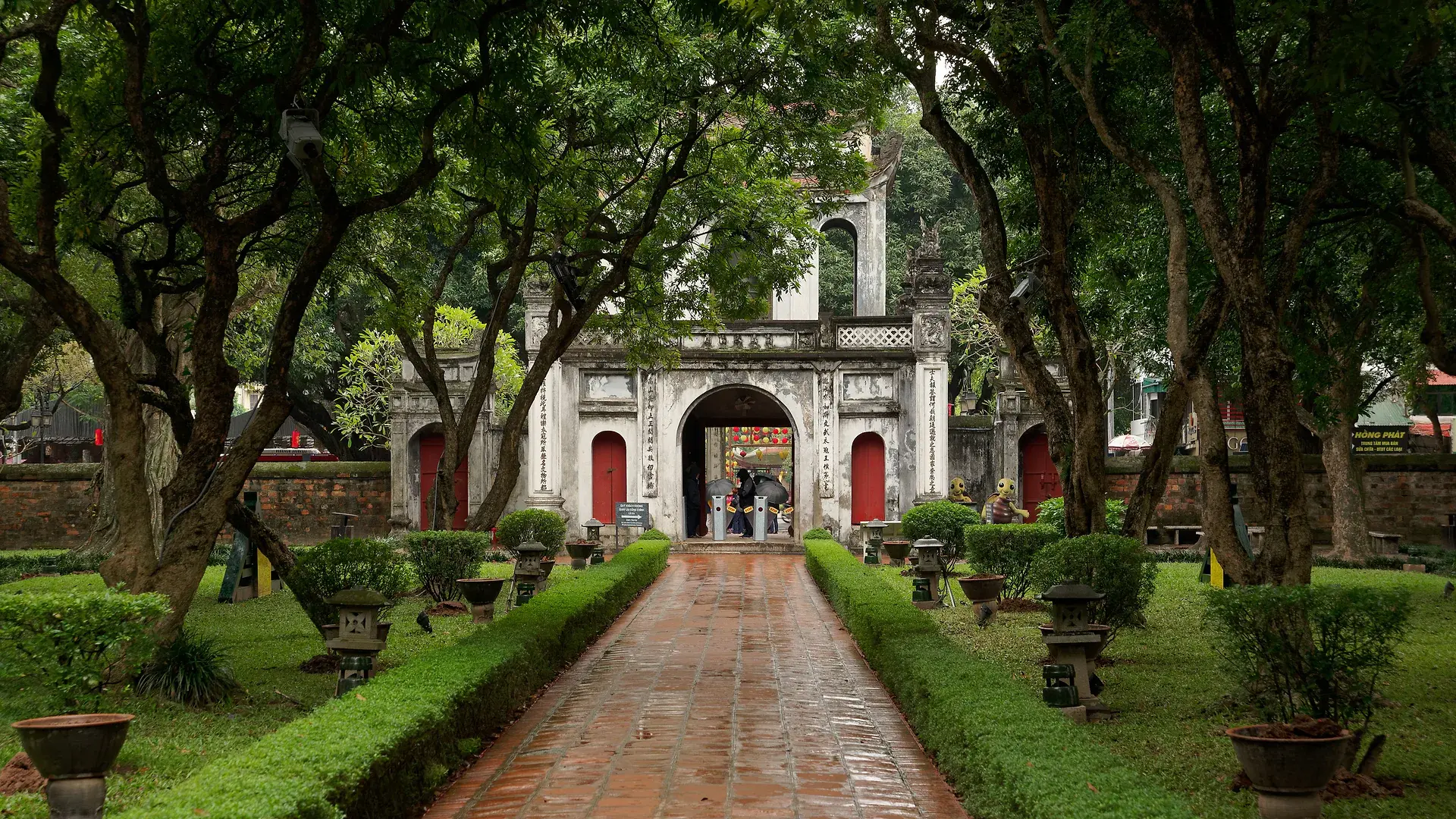
Culinary guide
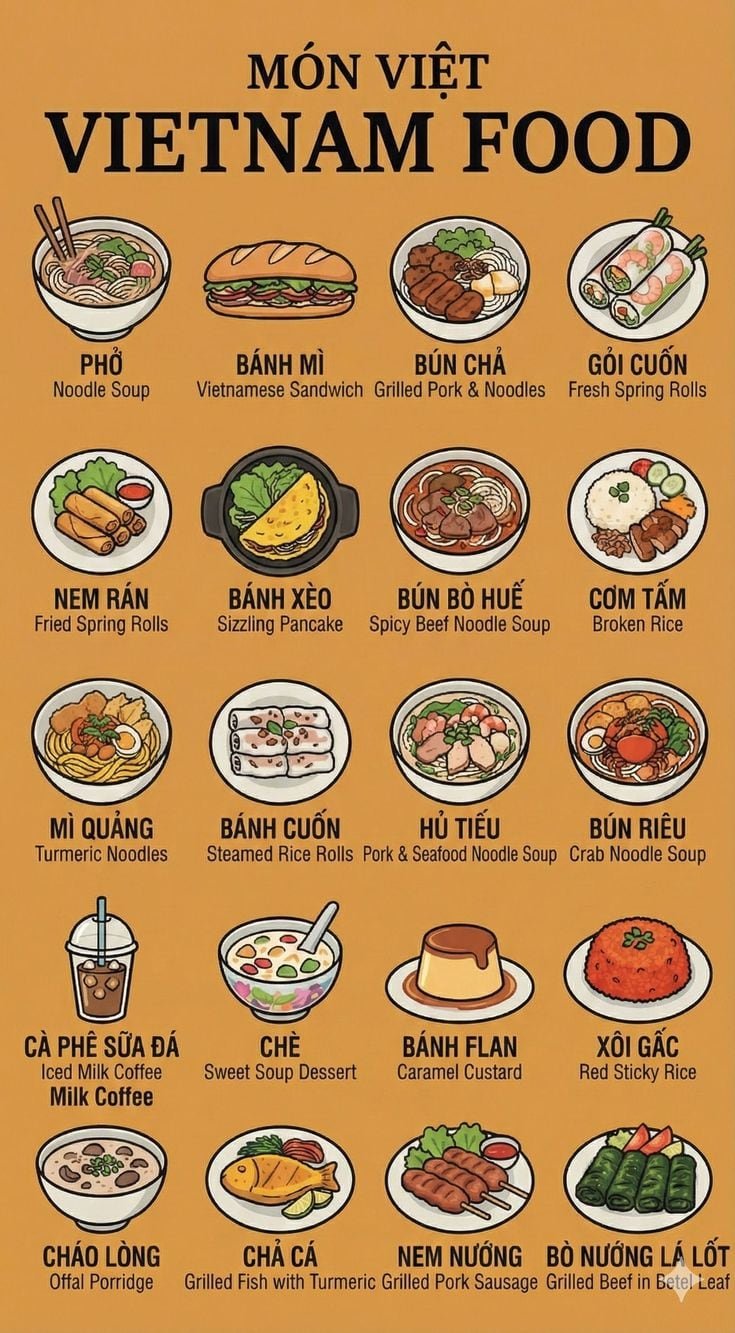
Culinary tours reveal Vietnam through markets, family recipes, street stalls, and regional kitchens. Each meal adds context to the journey.
Travelers can taste signature dishes, meet local cooks, and learn practical techniques. Private planning also supports dietary needs and flexible pacing.
A strong food itinerary balances tasting with culture and rest. It should avoid repeating similar dishes or rushed stops.
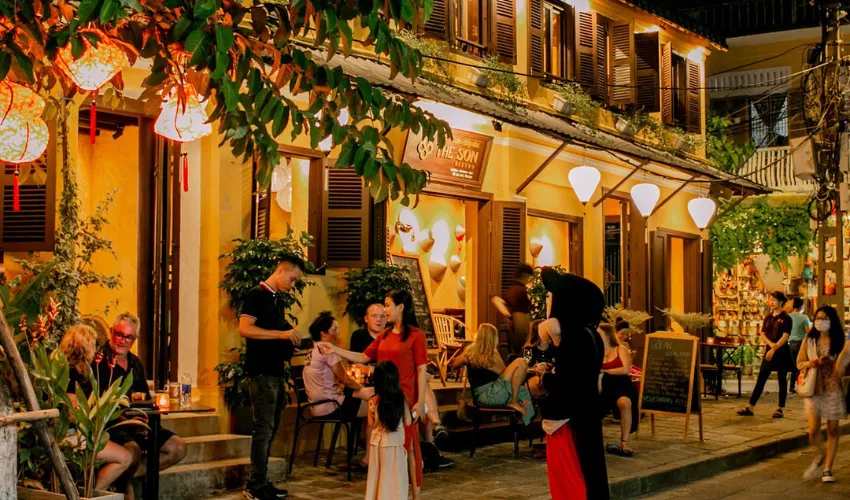
The experience goes beyond a dish list. Guides explain ingredients, dining customs, regional differences, and each recipe’s cultural setting.
Travelers can compare related themes through Travel Styles. This hub separates food, culture, luxury, family, and adventure journeys.
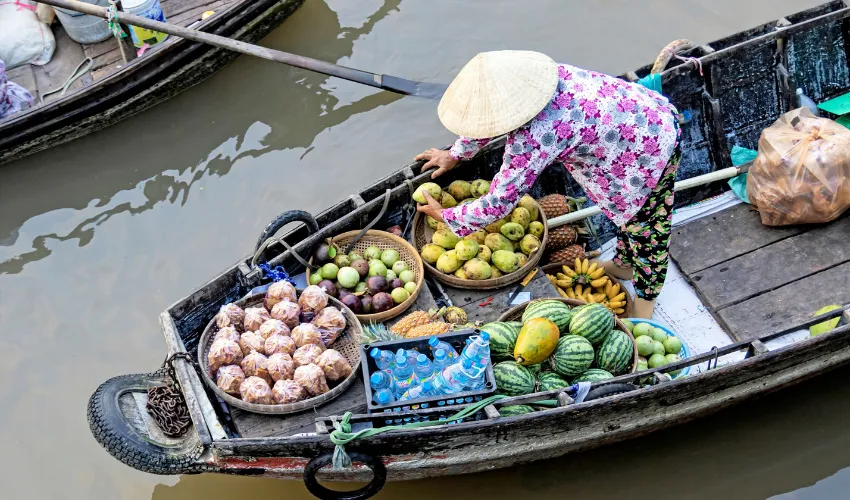
Hanoi favors balanced broths, herbs, grilled dishes, and traditional snacks. Hue offers refined small plates and bold central flavors.
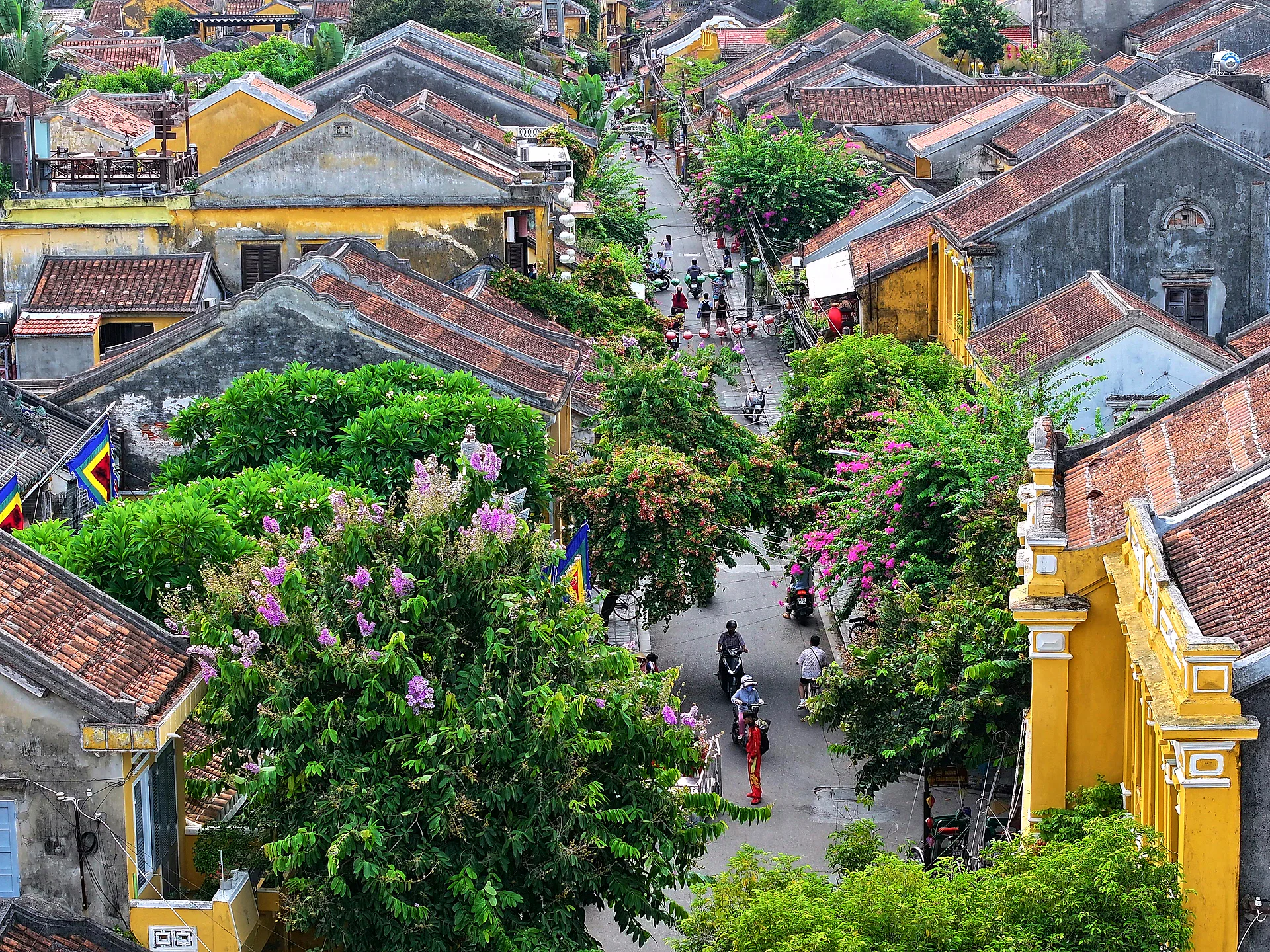
Hoi An combines trading-port influences with local noodles and dumplings. Ho Chi Minh City adds southern sweetness and international variety.
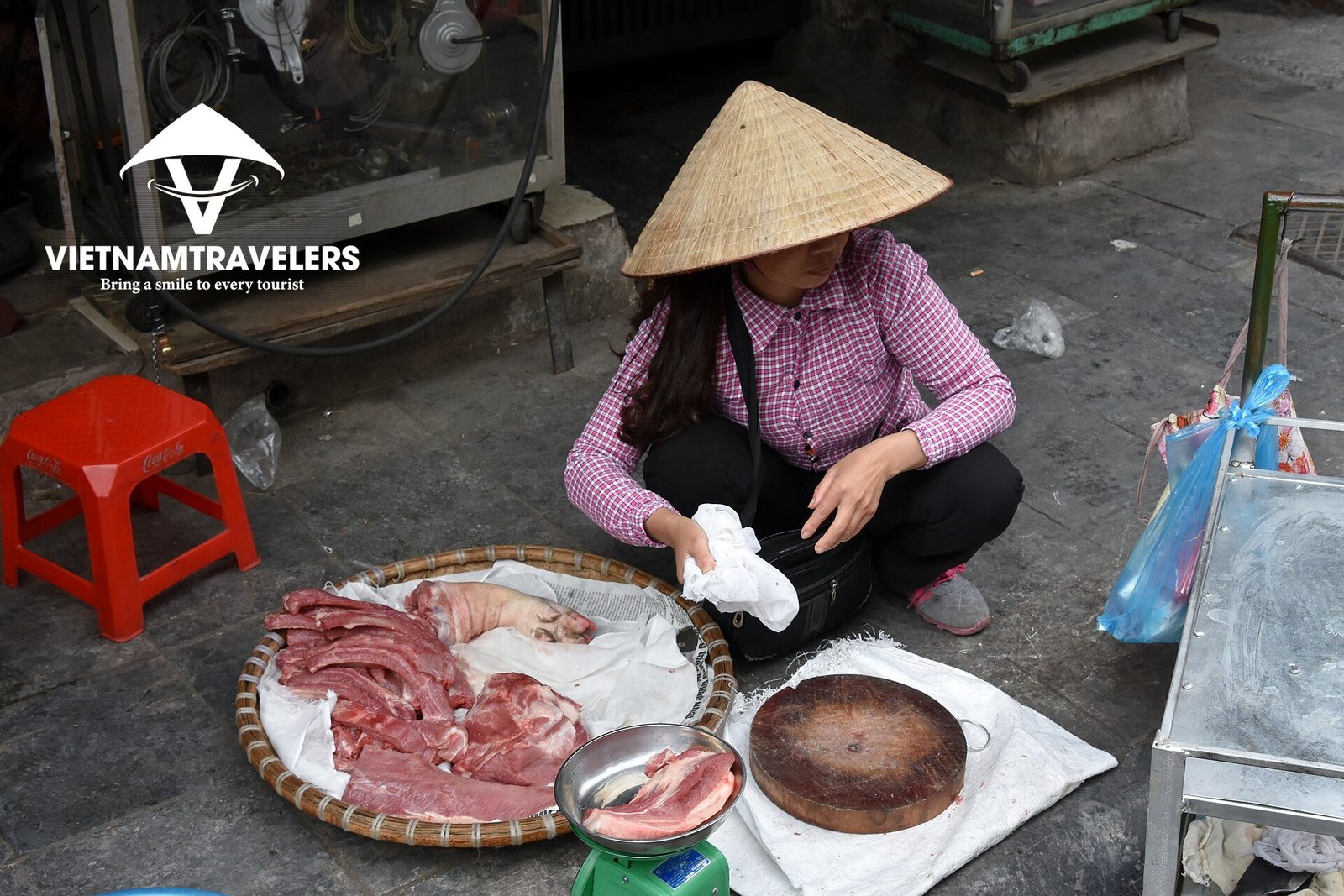
Hanoi tours: Explore markets, noodle shops, cafes, grilled dishes, and evening street food.
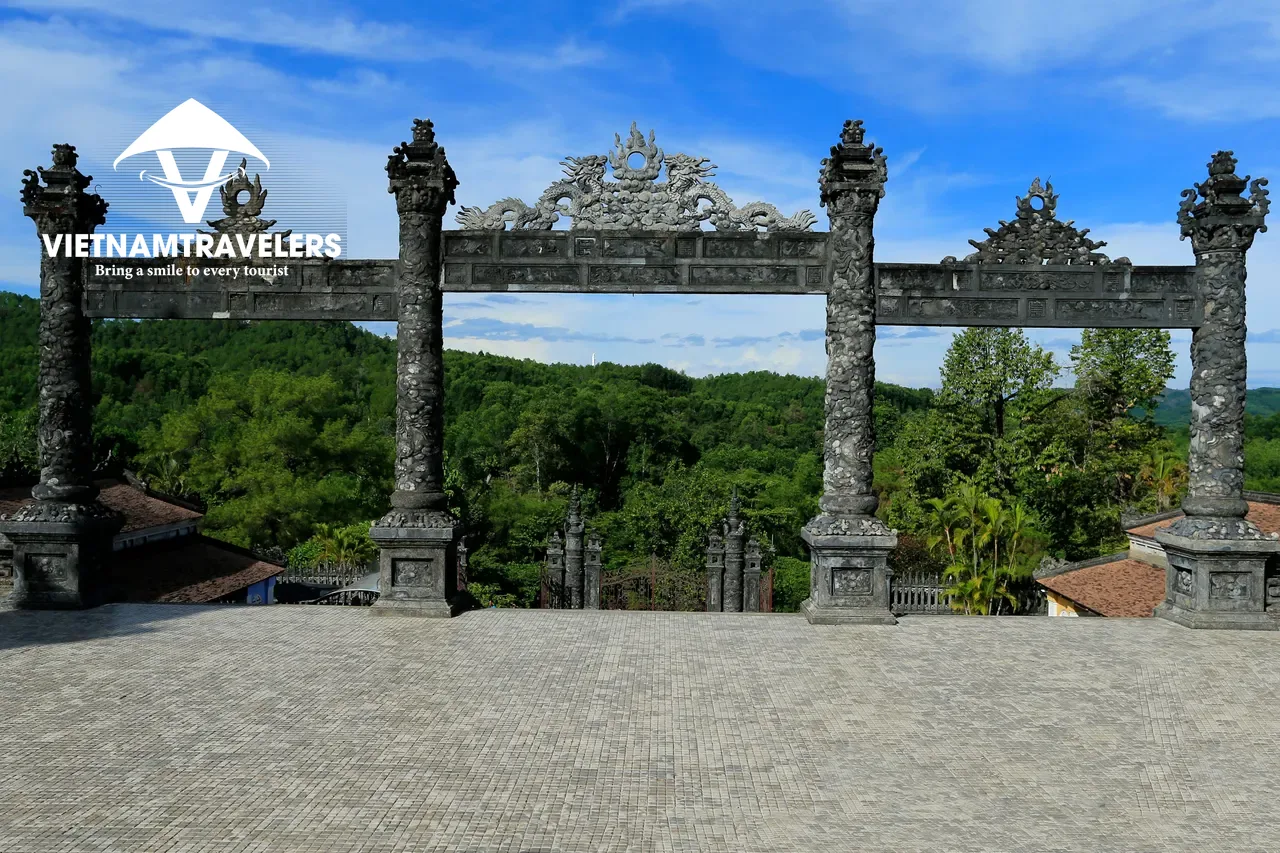
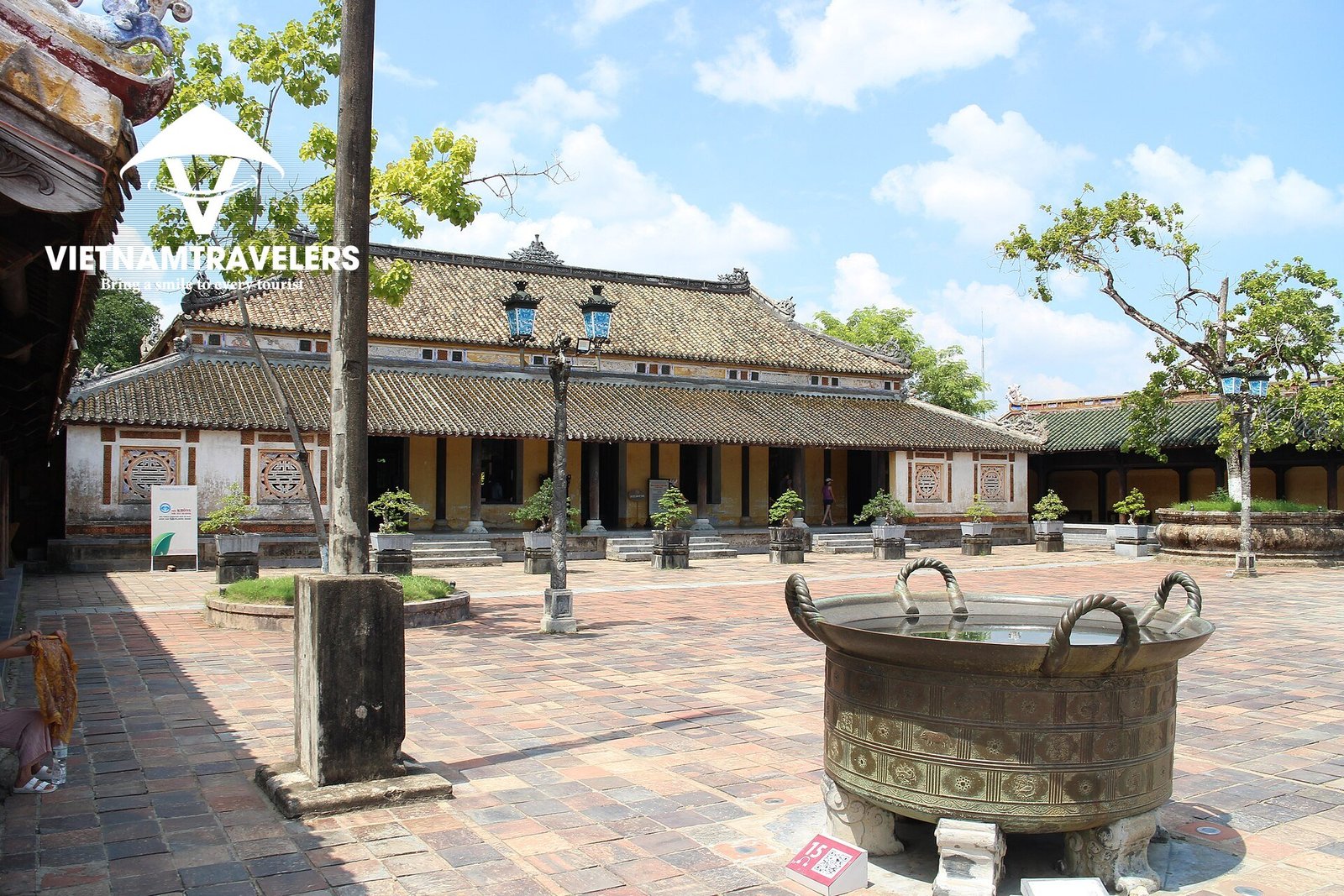
Hue tours: Taste royal-inspired plates, savory cakes, spicy noodles, and vegetarian temple cuisine.
Hoi An tours: Combine a market visit, herb gardens, cooking classes, and old-town specialties.
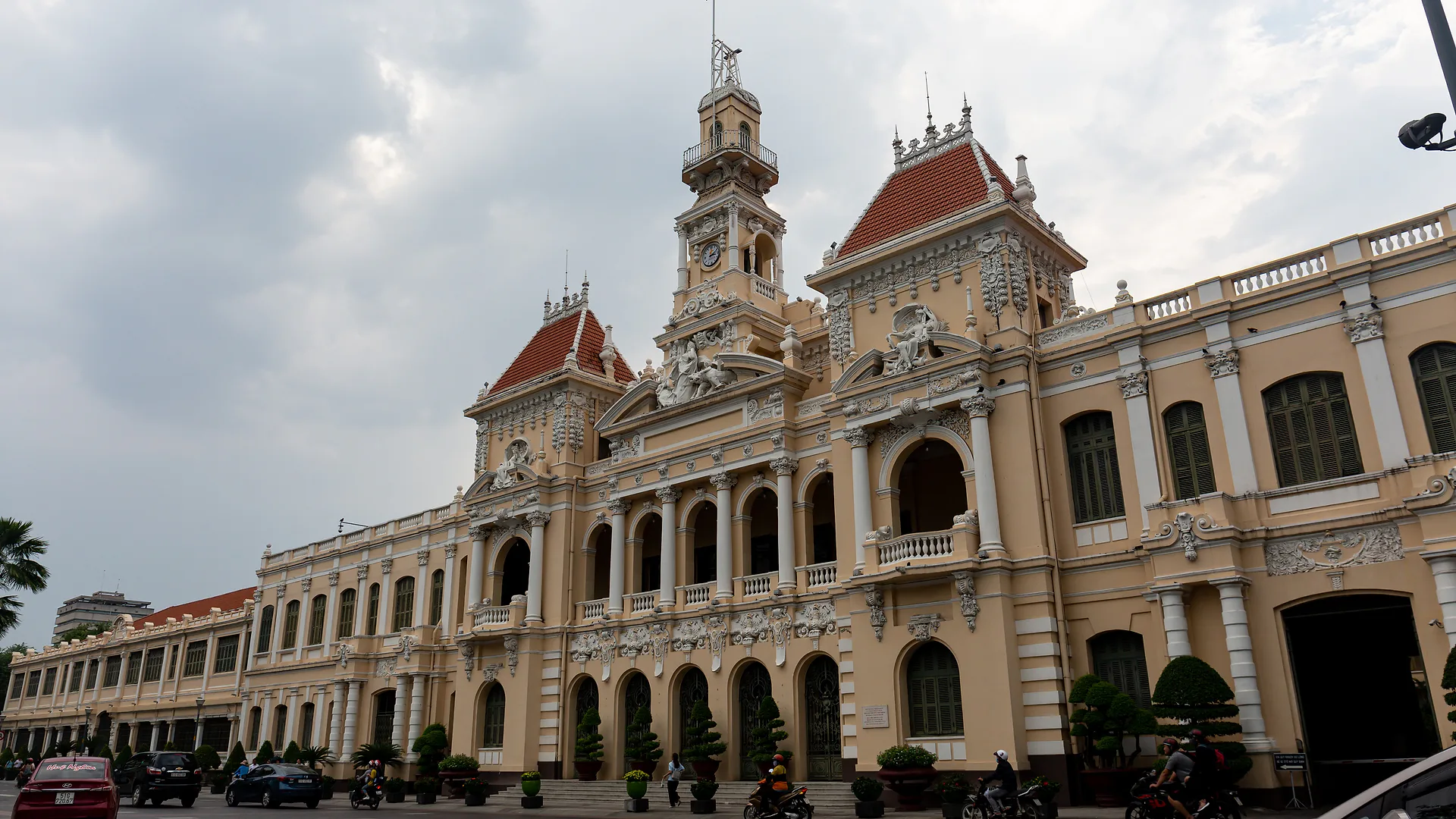
Ho Chi Minh City tours: Sample street snacks, broken rice, noodle soups, and modern Vietnamese dining.
Mekong Delta tours: Discover tropical fruit, river fish, coconut dishes, gardens, and family kitchens.
Hoi An’s cuisine reflects its historic role as a trading port. Food experiences can therefore connect heritage with everyday local life.
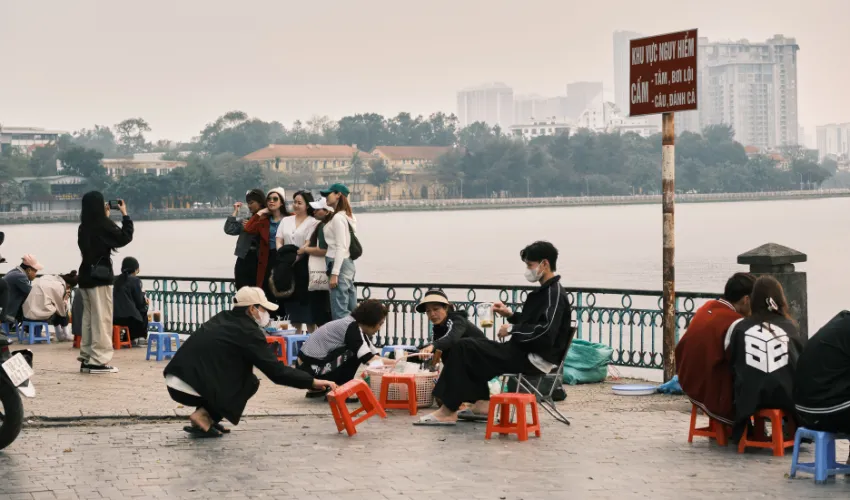
Short trips should focus on one area. Longer routes can compare northern, central, and southern food traditions.
Compare Vietnam tour packages for complete country routes. Food activities can replace standard sightseeing or enrich free evenings.
Travelers wanting deeper community contact can add culture and local life tours. This pairing strengthens local context.
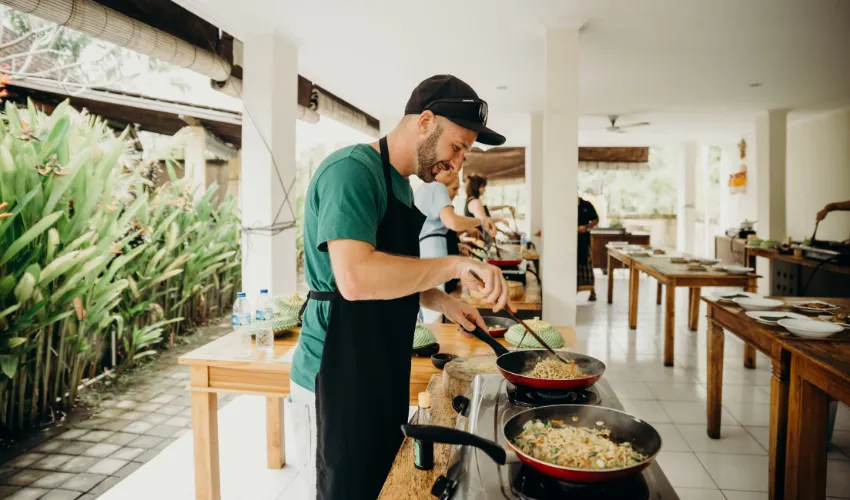
A private guide can adjust spice levels, walking distance, meal size, and daily start times. Changes remain easier than group programs.
Guests should share allergies, dietary restrictions, and strong dislikes before arrival. Clear details help planners choose suitable kitchens and menus.
Personal tastings: Select dishes, neighborhoods, markets, and meal styles around shared interests.
Flexible portions: Use smaller tastings when the day includes many stops.
Private transport: Connect distant markets, farms, villages, and restaurants comfortably.
Dietary planning: Discuss vegetarian, vegan, halal, allergy, or low-spice requests early.
Local specialists: Meet chefs, farmers, artisans, or home cooks when availability allows.
Travelers seeking premium restaurants and private dining can compare luxury tours. These journeys can add boutique hotels and upgraded transfers.
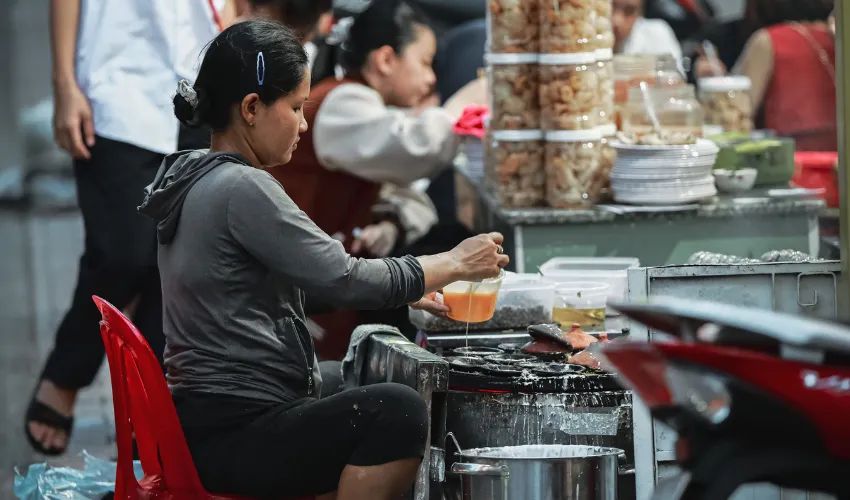
Review every inclusion before booking. Confirm tasting amounts, drinks, transport, cooking lessons, market purchases, and hotel meals.
Check the route: Choose neighborhoods and regions with clearly different specialties.
Review group size: Smaller groups enter busy markets and compact eateries more easily.
Confirm dietary support: Ask which requests are guaranteed and which remain subject to suppliers.
Assess walking needs: Street tours may include uneven pavements, stairs, heat, or crowded lanes.
Check hygiene standards: Use trusted operators and follow guide advice for food and drinking water.
Protect free time: Avoid scheduling large tastings before every major meal.
Use Vietnam Travelers to connect style pages, destination hubs, and complete itineraries. This structure supports stronger topic authority.
1. How many days are ideal for a Vietnam food tour?
Seven to twelve days allow several regions and relaxed tasting. Shorter trips should focus on one culinary area.
2. Are Vietnamese cooking classes suitable for beginners?
Most classes explain ingredients and demonstrate each step. Confirm accessibility and menu details before booking.
3. Can culinary tours support vegetarian travelers?
Many programs can adapt, especially with advance notice. Fish sauce and shared preparation areas require careful confirmation.
4. Are private food tours suitable for families?
Yes. Private pacing allows shorter walks, familiar dishes, and flexible meal times for children.
5. What should travelers bring on a food tour?
Bring water, comfortable shoes, sun protection, and allergy information. A light appetite also improves the experience.
References