Private expert guiding
Guides add context and access without turning the day into a checklist.

Vietnam Travelers Journey
Active and adventurous
Stories, tastes and heritage paced with private calm.
The Experience
Adventure Tours shaped around context, local hosts and generous timing. You see more because the day is not rushed.
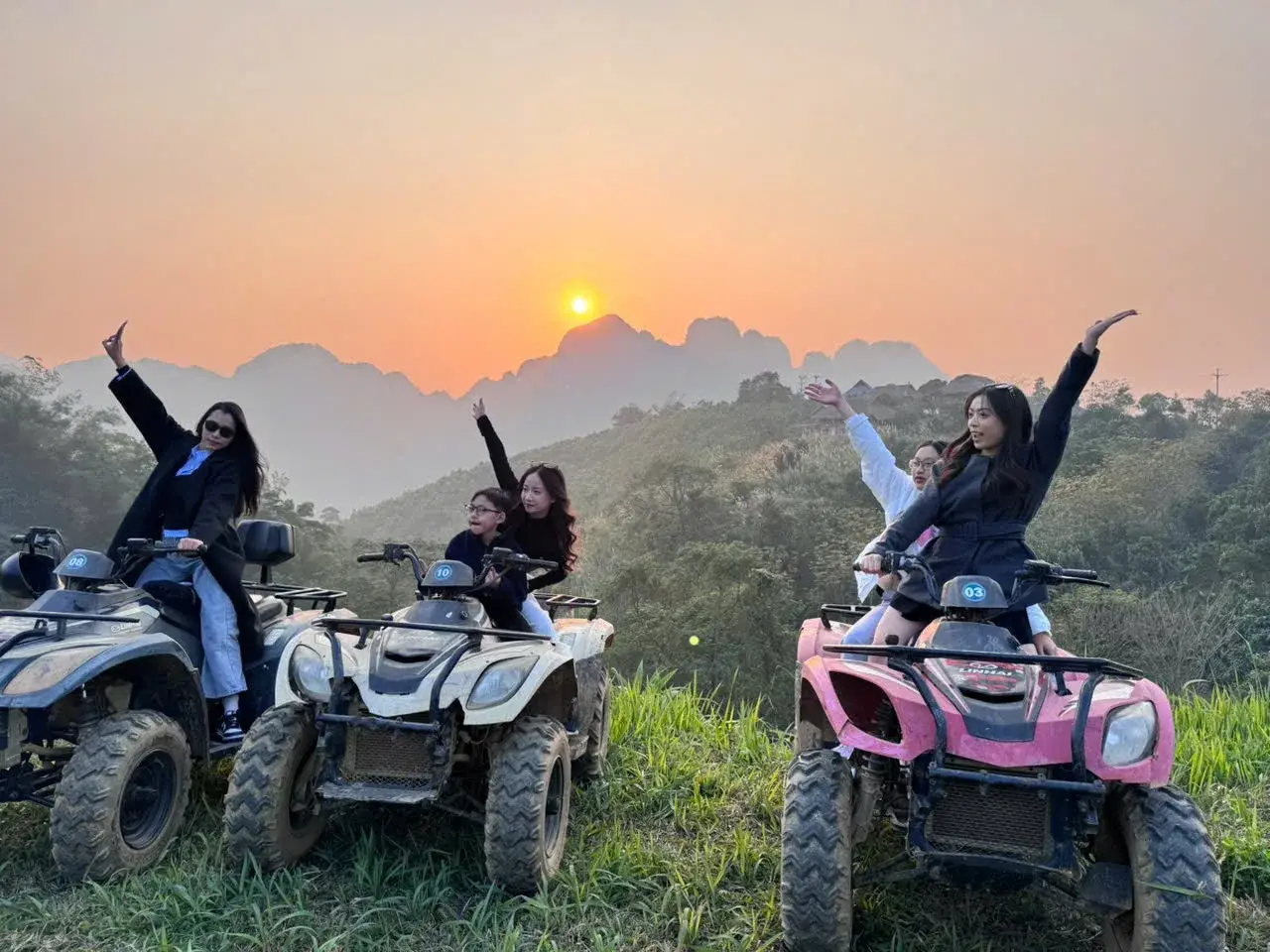
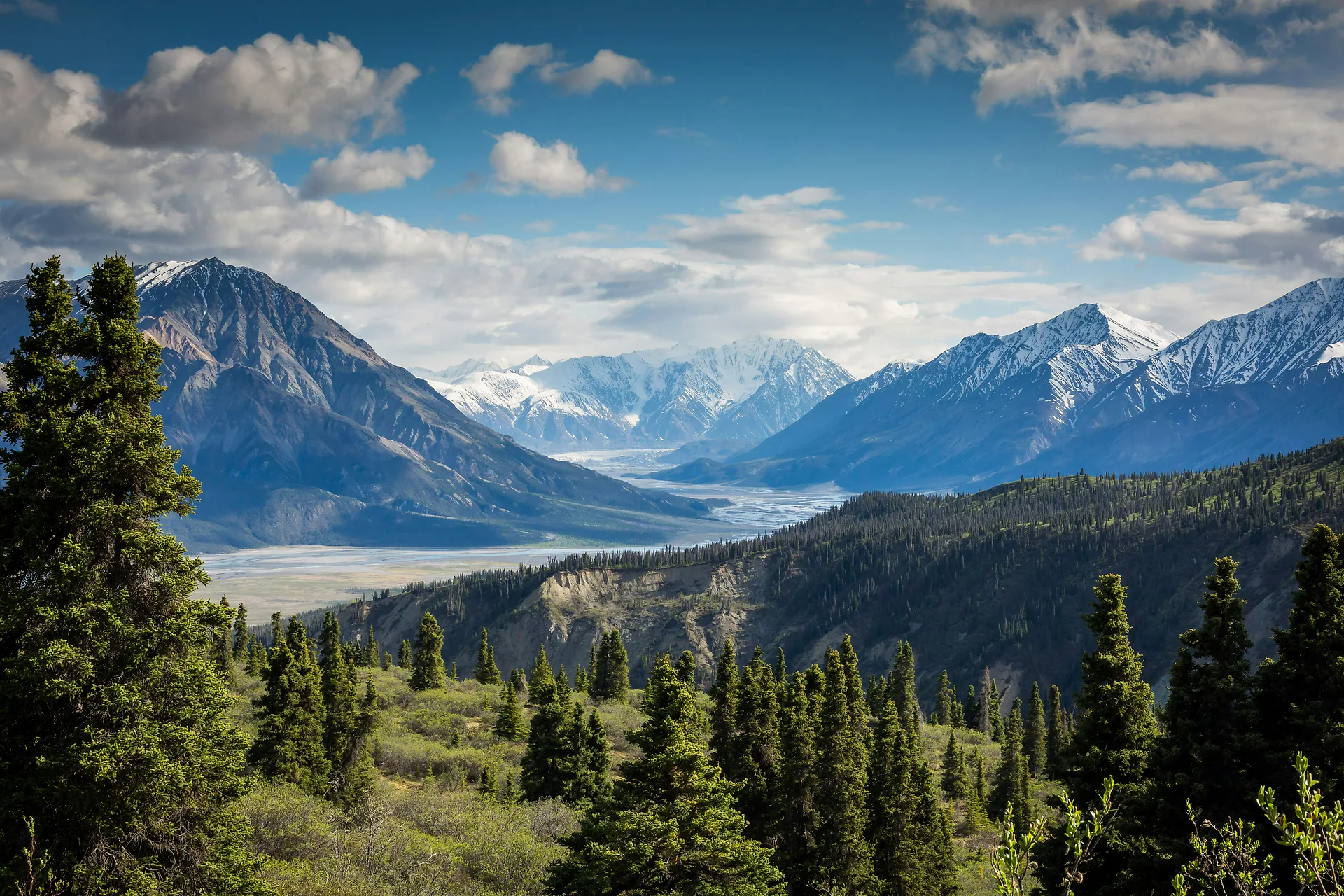
Mountain viewpoints, forest trails and active adventure days designed with comfortable hotels and recovery time protected.
Guides add context and access without turning the day into a checklist.
Hotels are selected for service, location and a sense of place.
Each movement is checked against distance, weather and the desired pace.
Your designer keeps the plan flexible before and during the trip.
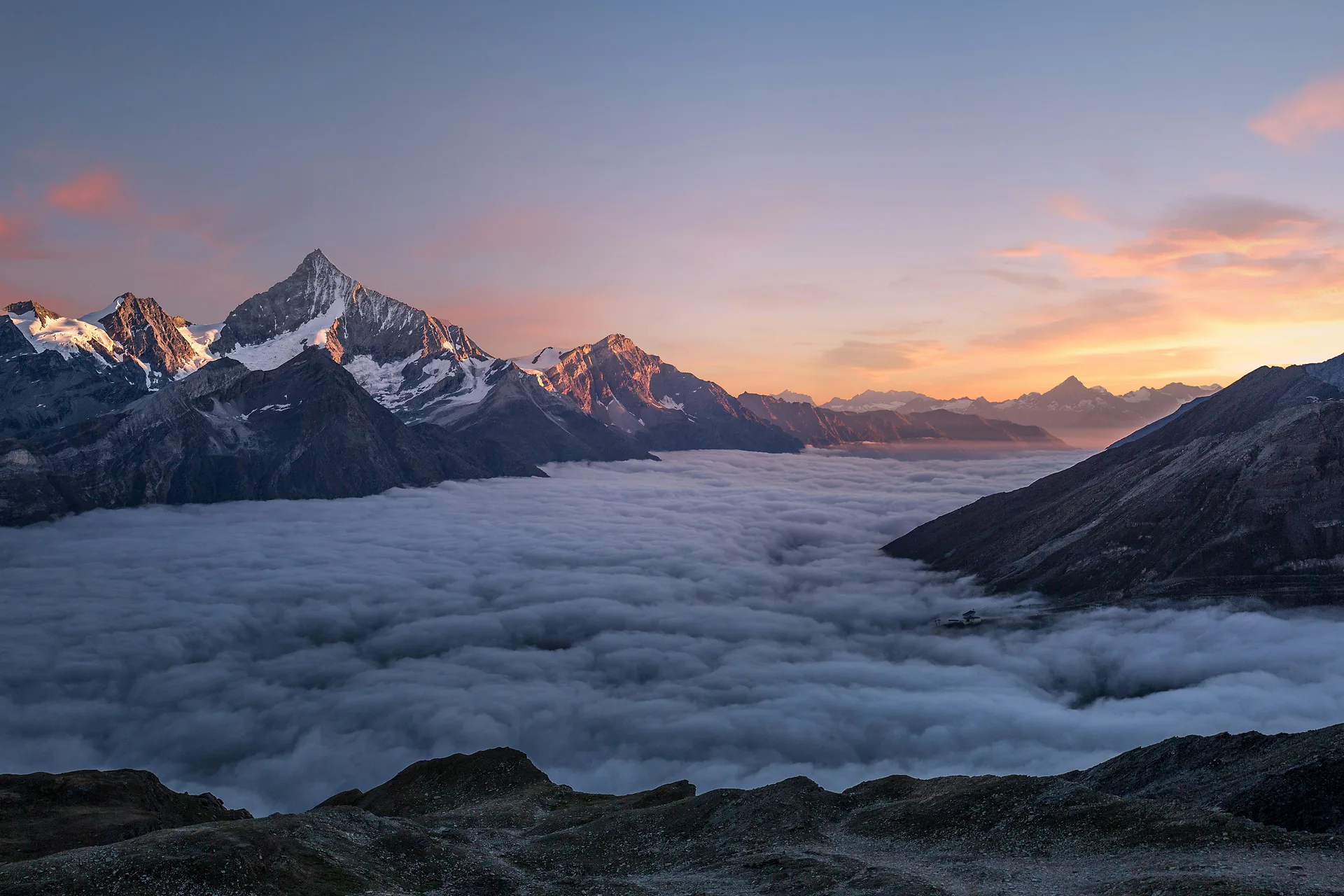
Photography
Your Journey
Private arrival support and a gentle introduction to the adventure tours rhythm.
Private guiding, curated stops and enough open space to enjoy the destination.
Hotels, dining and local access refined around your preferred pace.
Continue the route or slow the final morning before a private transfer.
What's Included
Sample Hotels
Hanoi, Vietnam
Hue, Vietnam
Laos
Hotels vary by departure date and availability. All properties meet our quality standard.
Adventure Tours Tours
These journeys are tagged and ranked for adventure tours based on route, activities, water time and the tour style data.
36 matching adventure tours tours
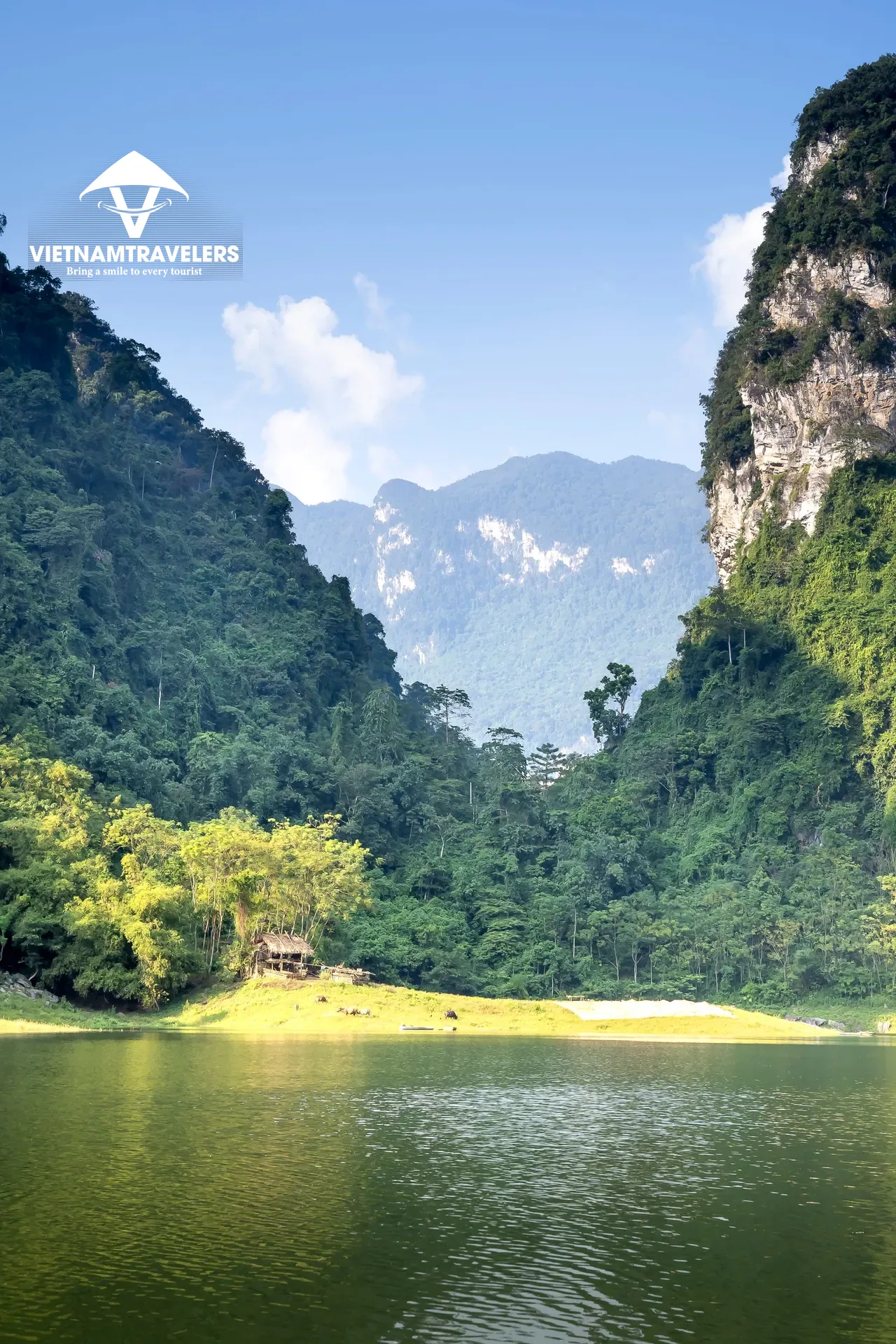
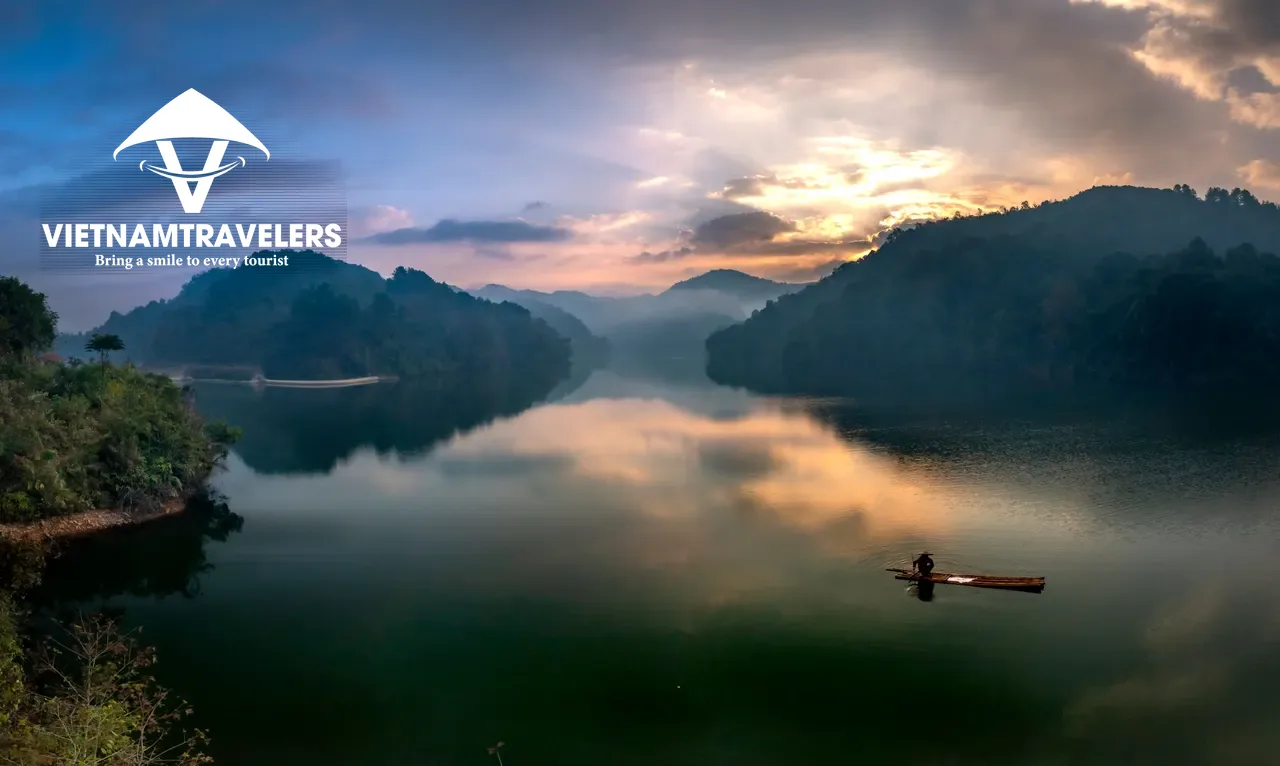
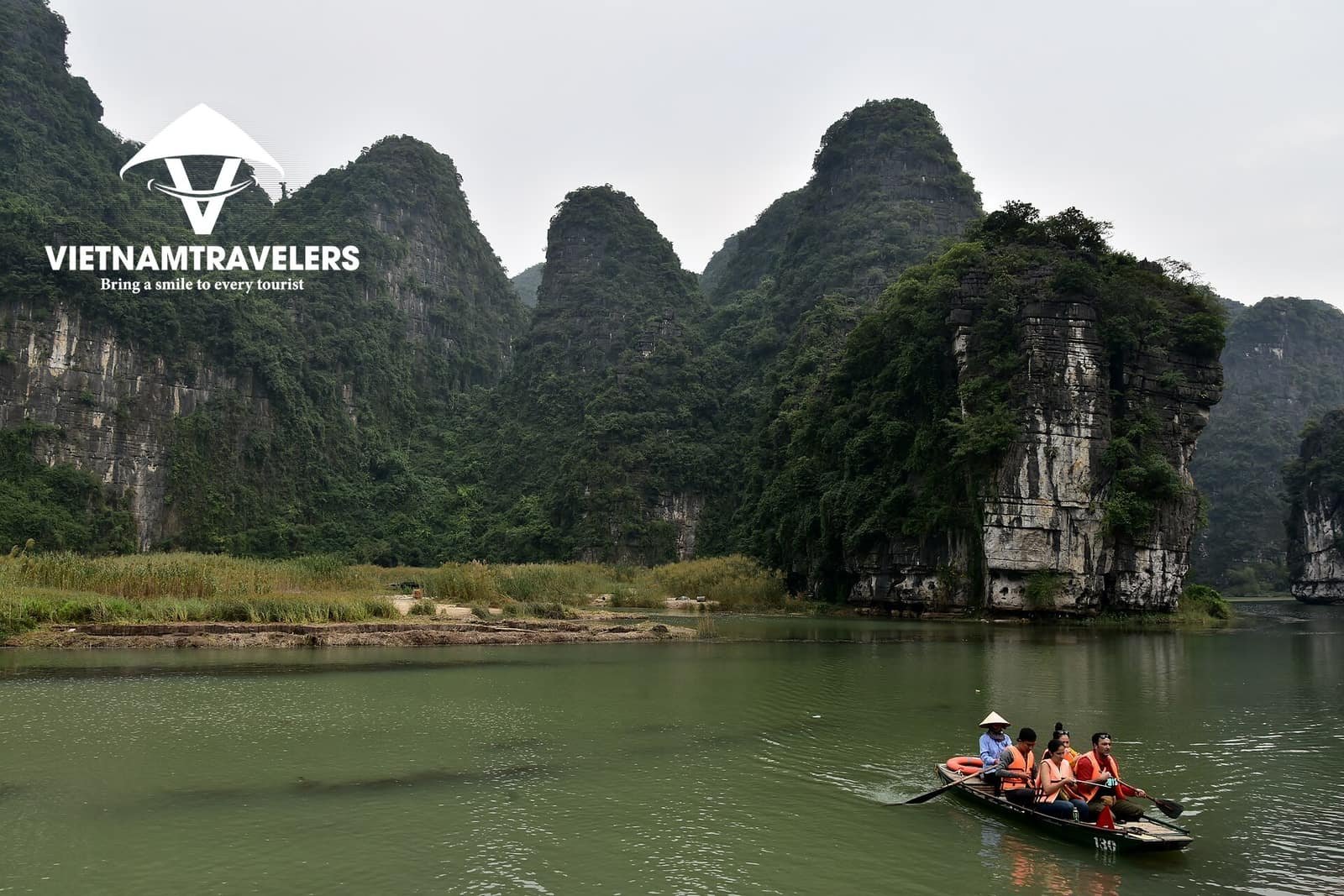
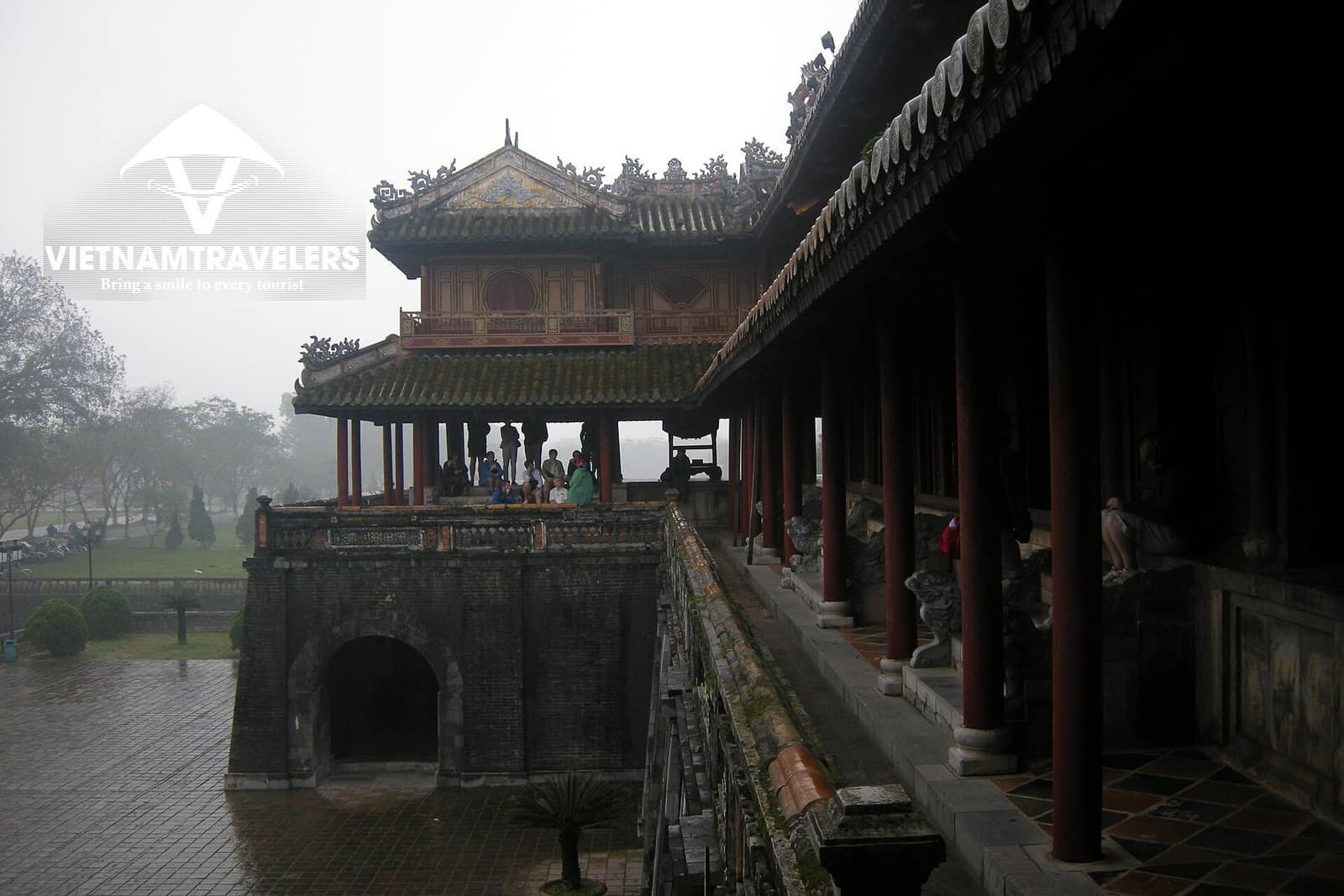
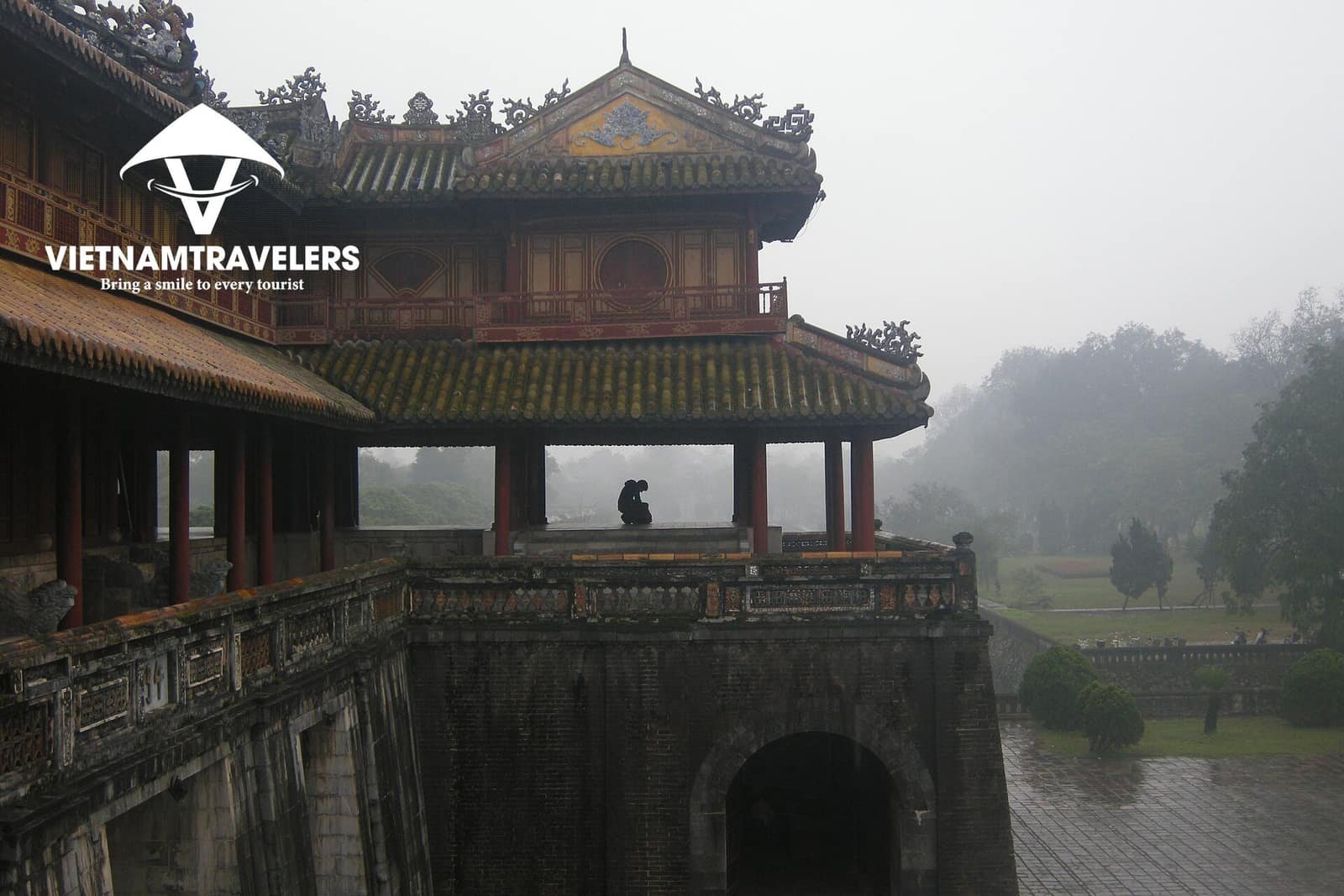
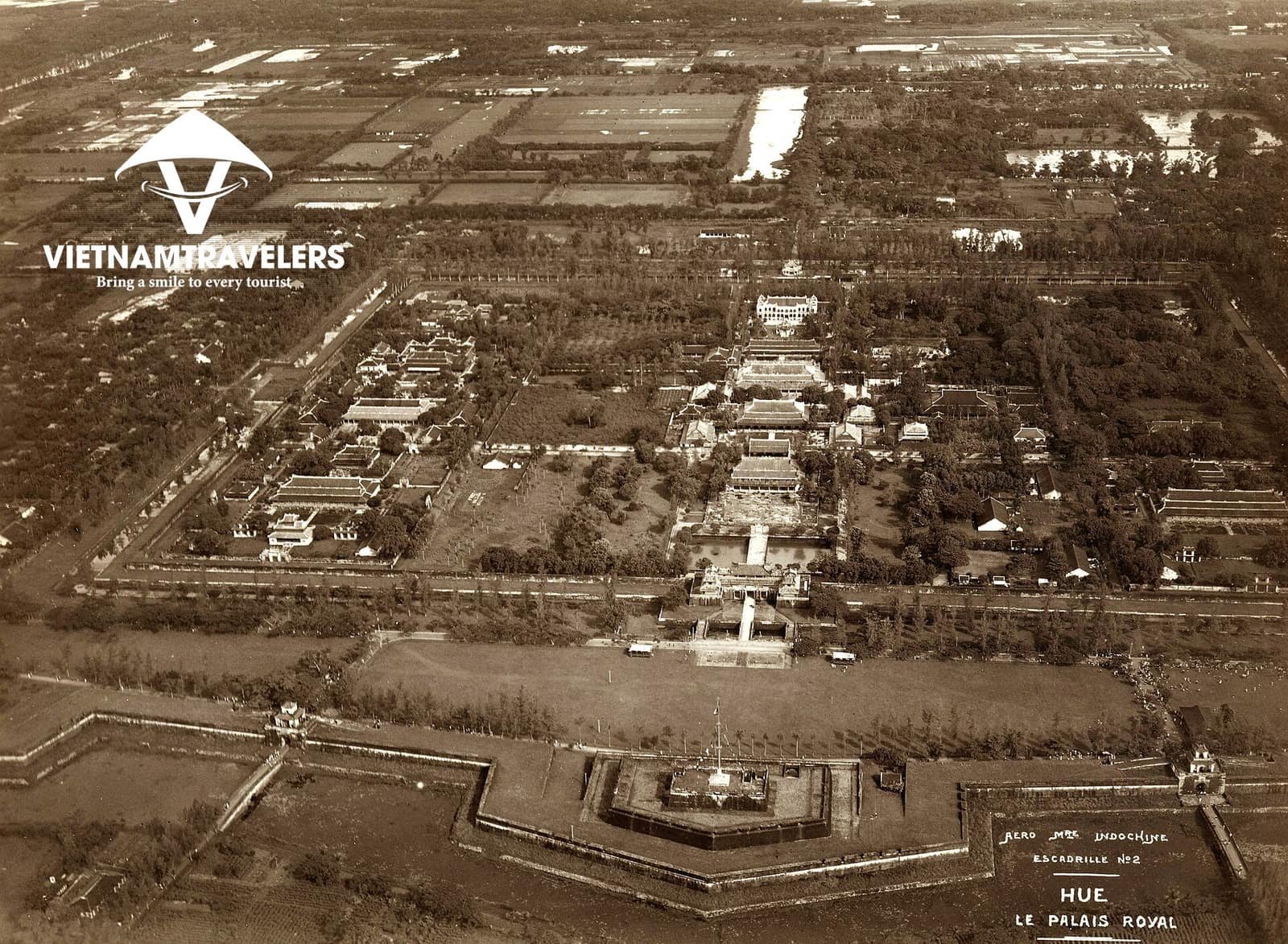
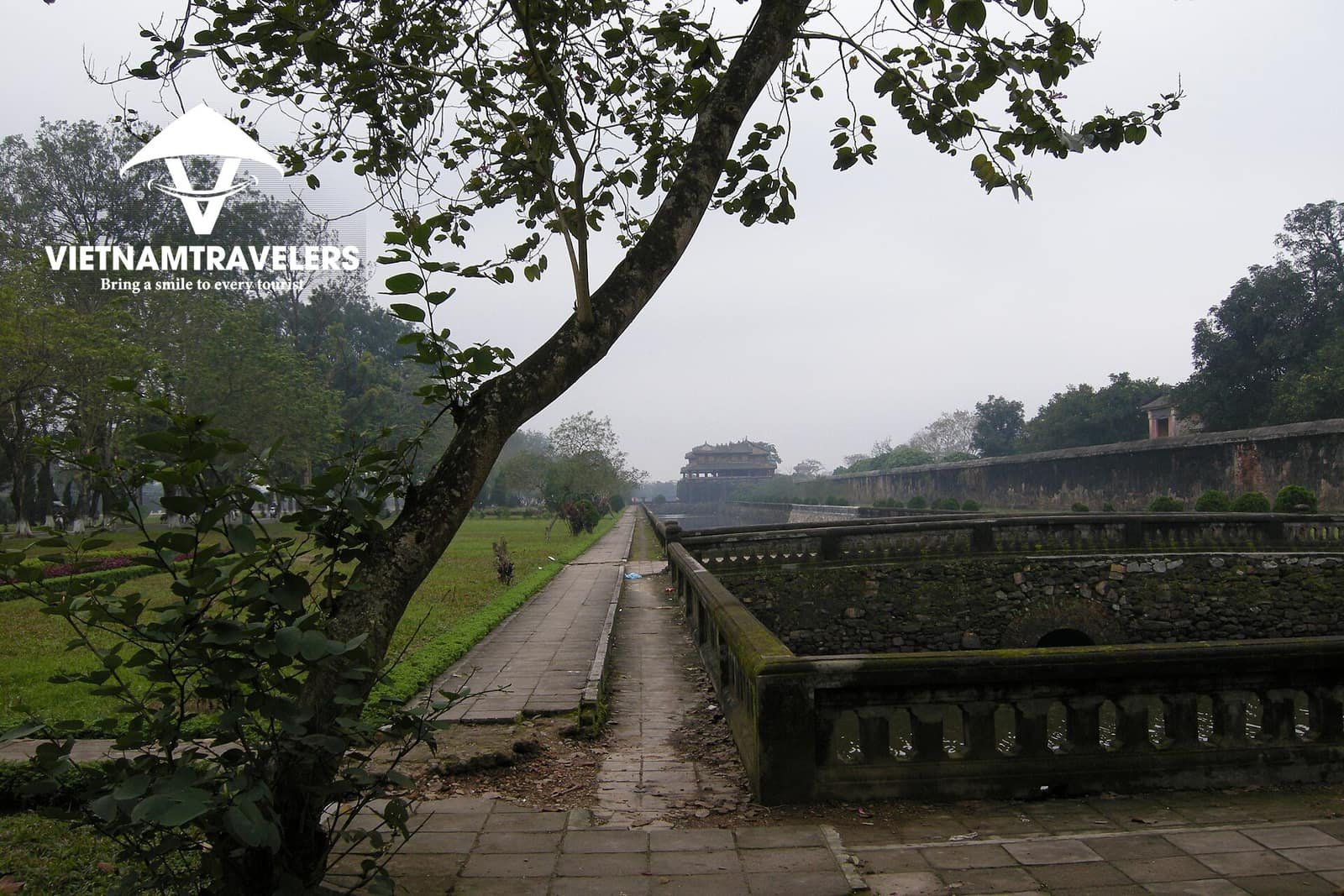
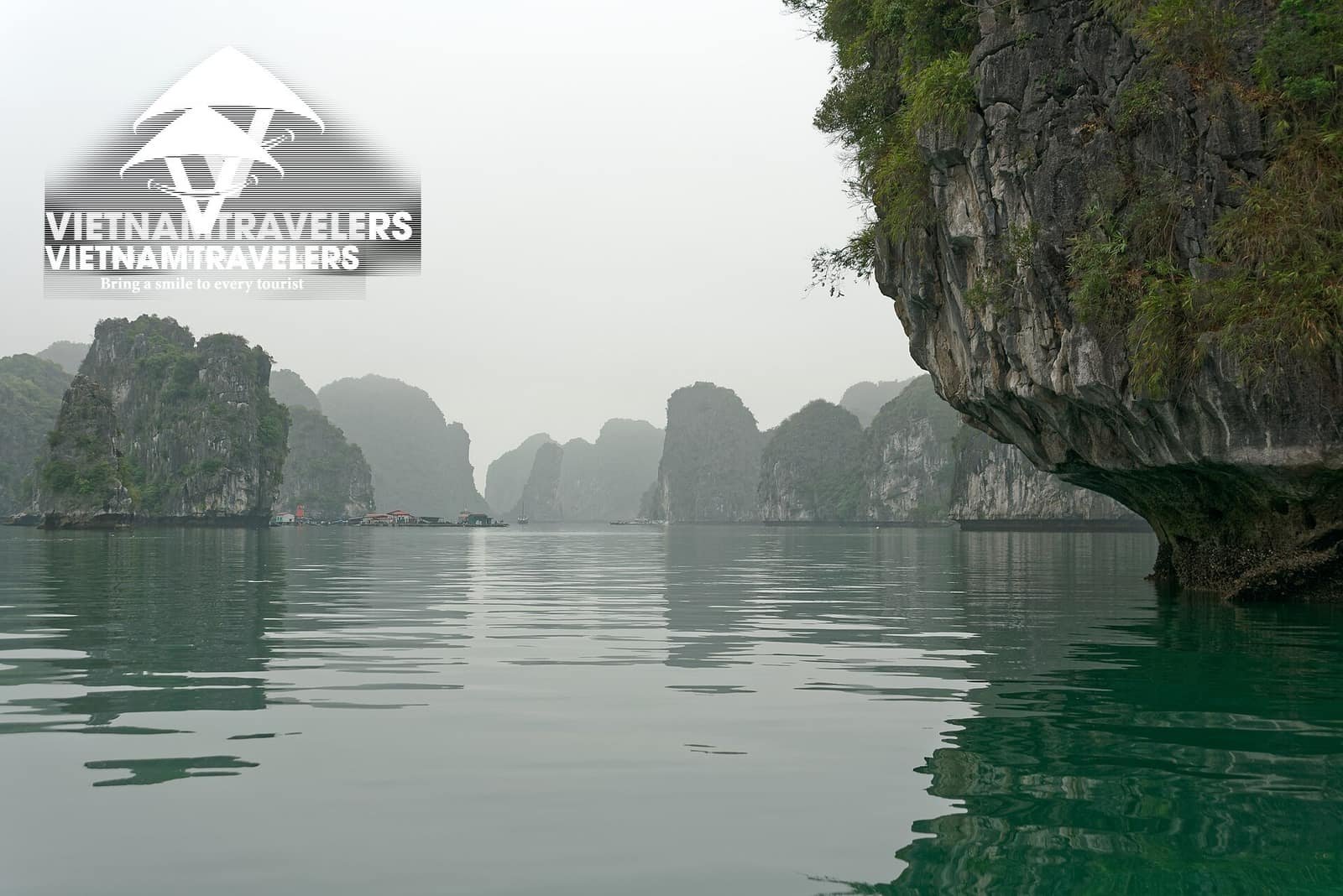
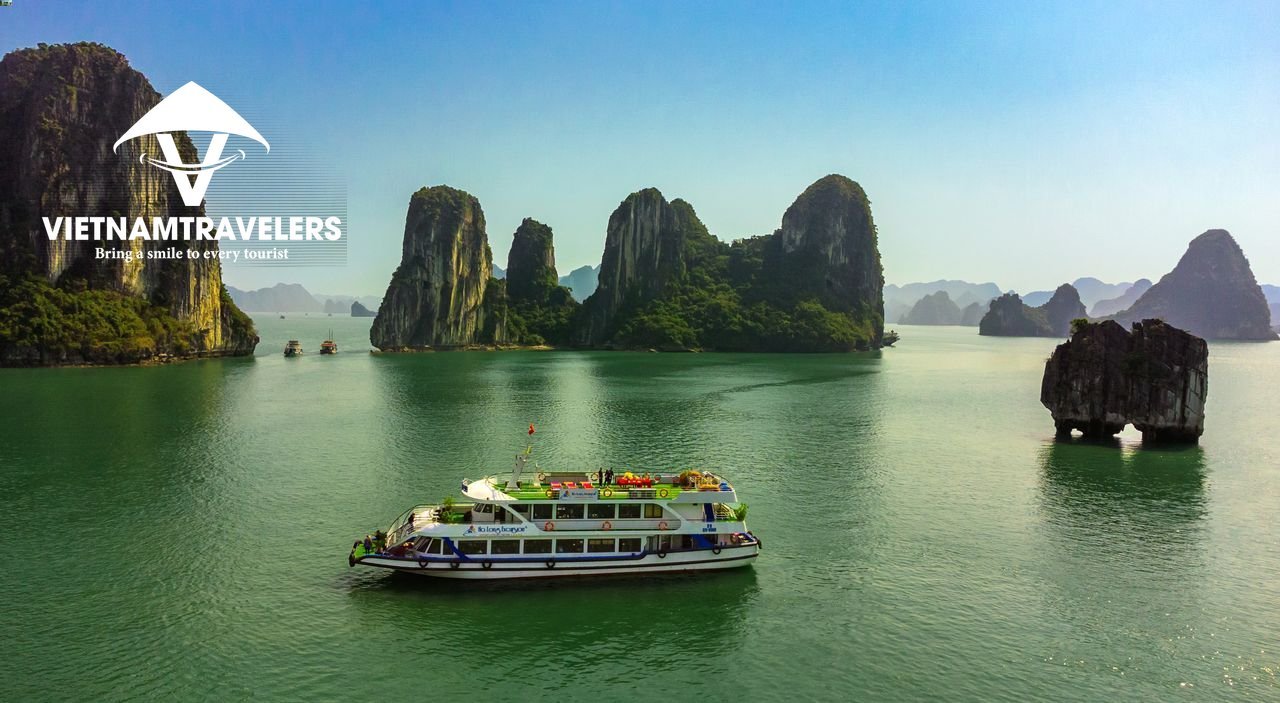
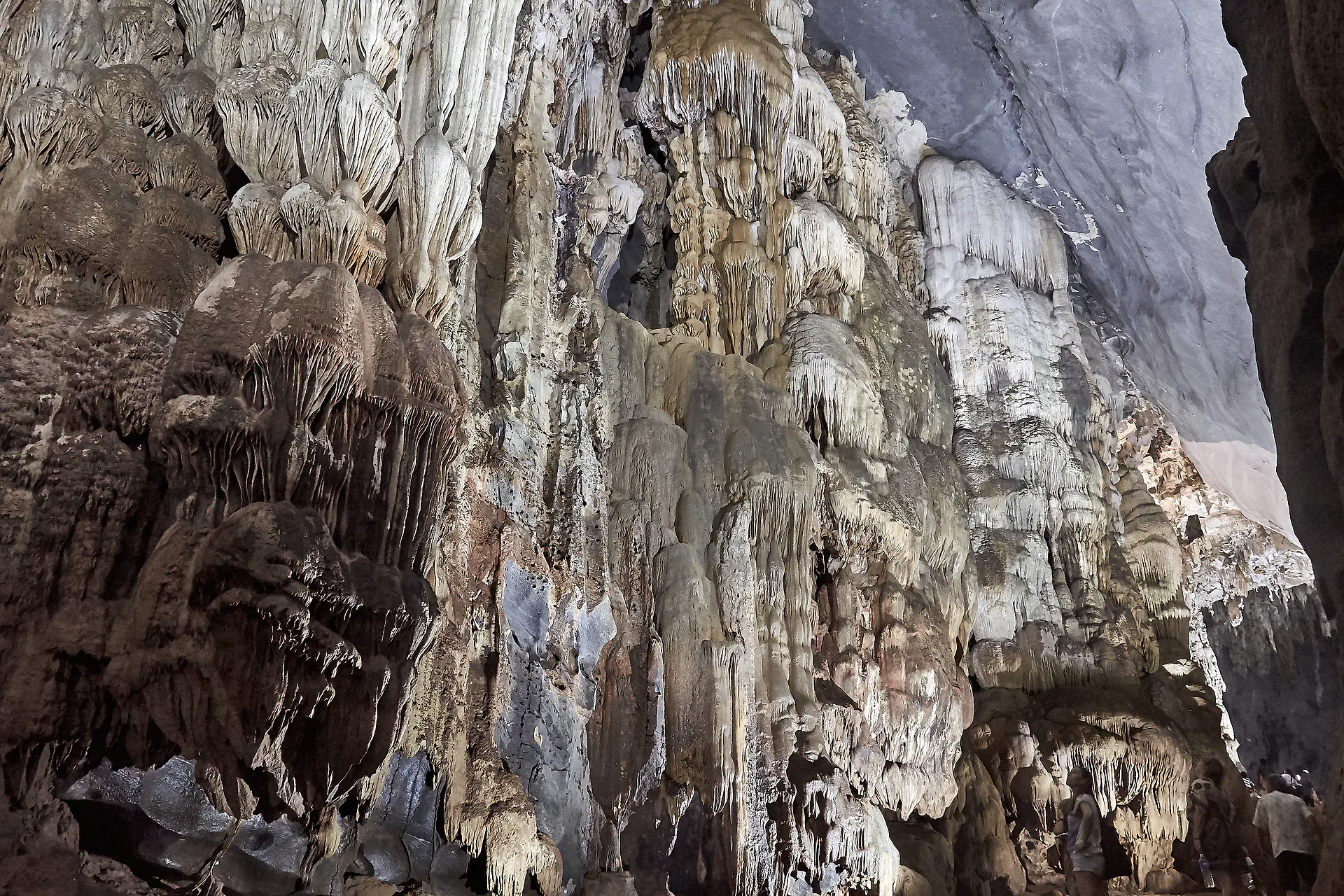
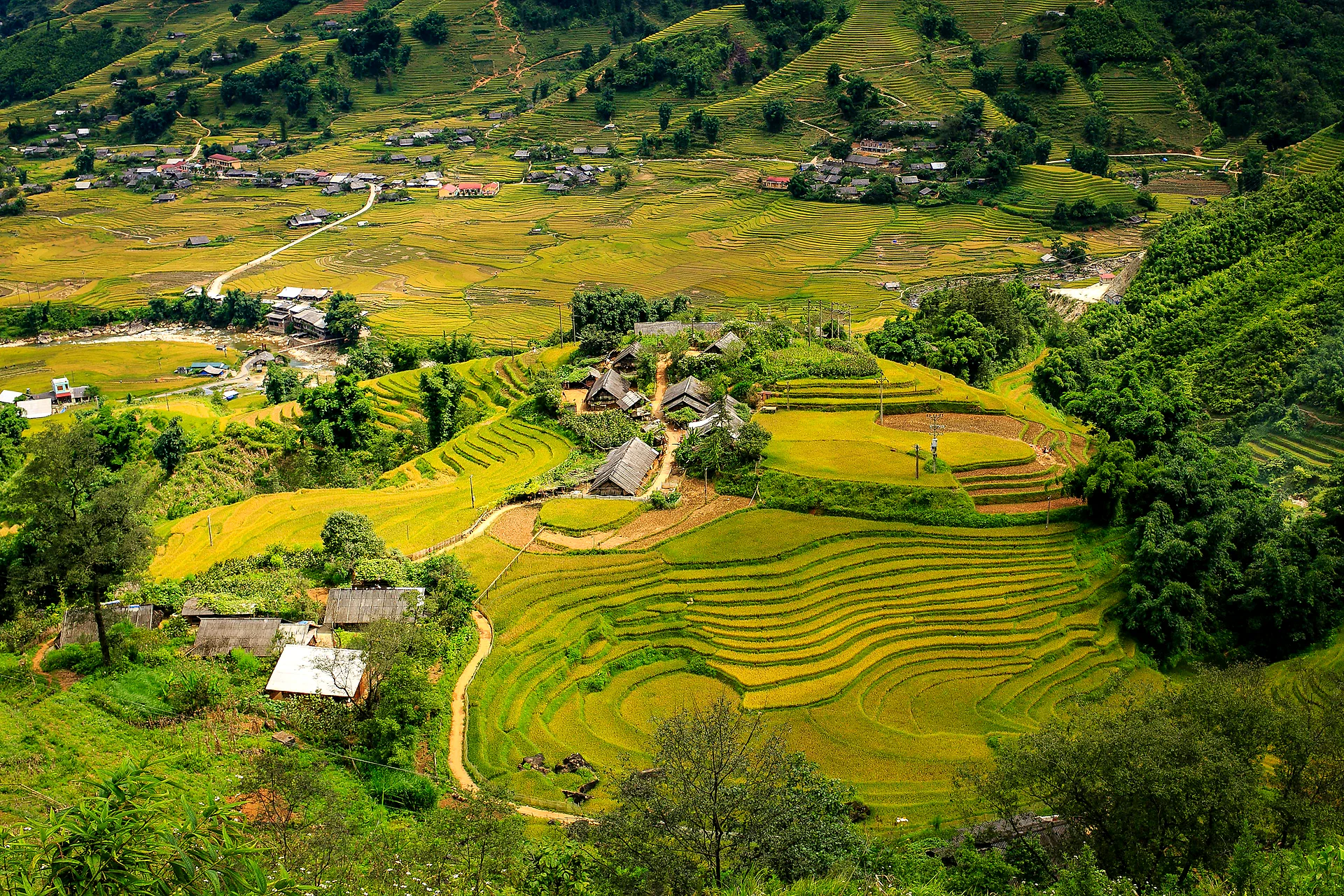
Adventure guide
Adventure Tours work best when the physical challenge is defined before the destination list. Daily walking hours, trail surface, elevation, heat, water exposure, riding distance and recovery time matter more than a broad “active” label.
Vietnam is especially flexible for this style of travel. Mountain roads and rice terraces in the north can be combined with village trekking, cycling, kayaking, cave exploration, waterfalls and coastal activity without forcing every day to be difficult.
The strongest itinerary protects the active experience and the recovery around it. A private guide, realistic transfers, comfortable hotels, weather alternatives and a clear equipment plan can make an ambitious route feel calm rather than exhausting.
This guide compares activity levels, trekking regions, cycling and motorbike formats, kayaking, cave days, Northeast circuits, trip lengths and the practical details to check before booking.

“Adventure” can describe anything from a two-hour kayak session to a full day of mountain trekking. That range is useful, but it also makes package labels unreliable. Start by defining what the group can comfortably do for several consecutive days.
Ask for the expected active hours, distance, elevation gain, terrain, road surface, heat exposure and longest transfer. A five-kilometer mountain walk on wet stone can be harder than a much longer walk on a flat road. The same principle applies to cycling: distance alone says little without gradient, traffic, road quality and vehicle support.
For most leisure travelers, the best rhythm alternates harder and easier days. A mountain trek followed by another long trek and then a six-hour road transfer may be technically possible but can reduce the quality of the trip. Protecting one quiet afternoon or a lighter cultural day often improves the whole route.
Private adventure travel is particularly useful when fitness varies inside the group. The guide can shorten a trail, change a start time, add a vehicle pickup or separate one activity without forcing every traveler into the same pace.
Start planning: Adventure Tours | Customize your trip

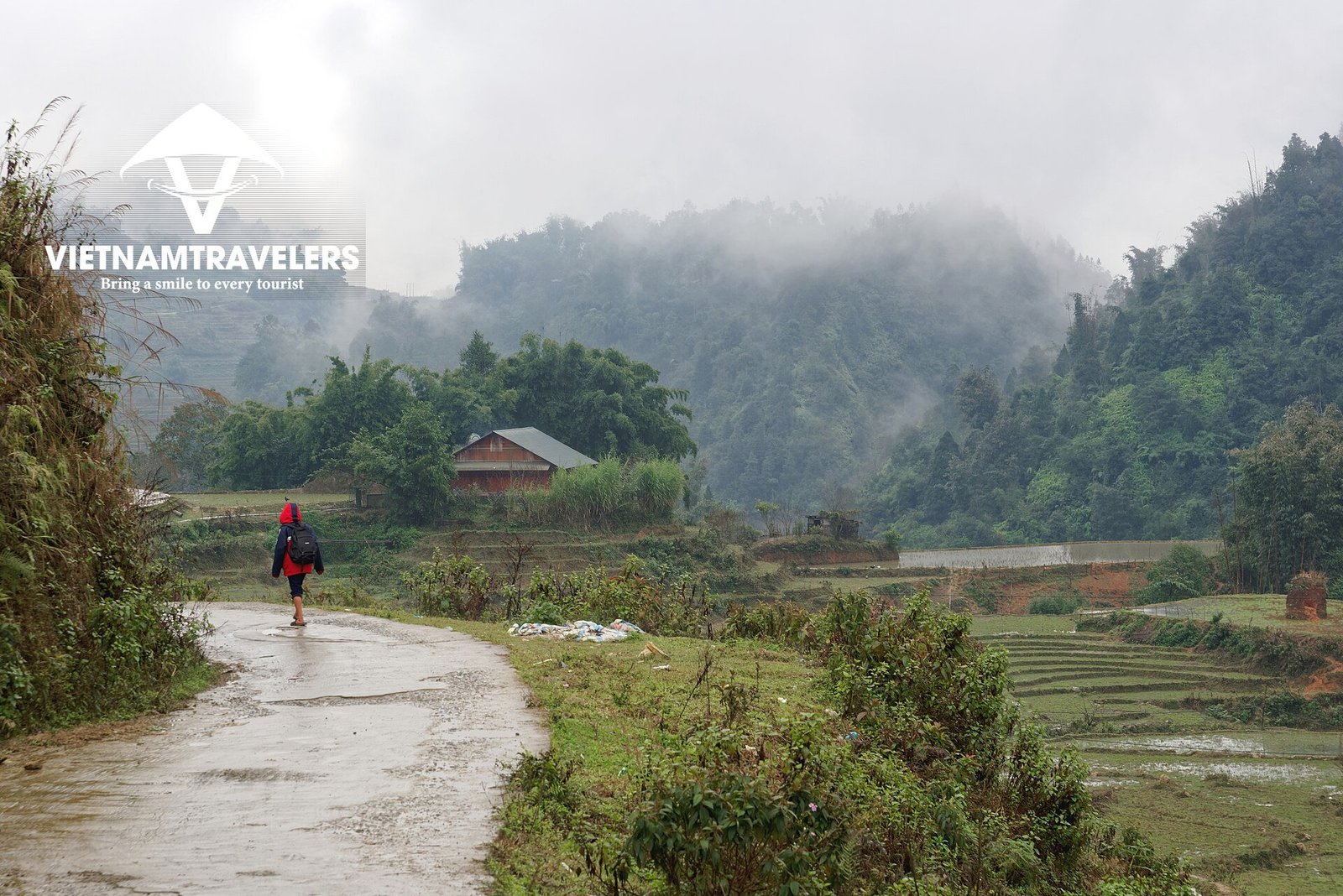
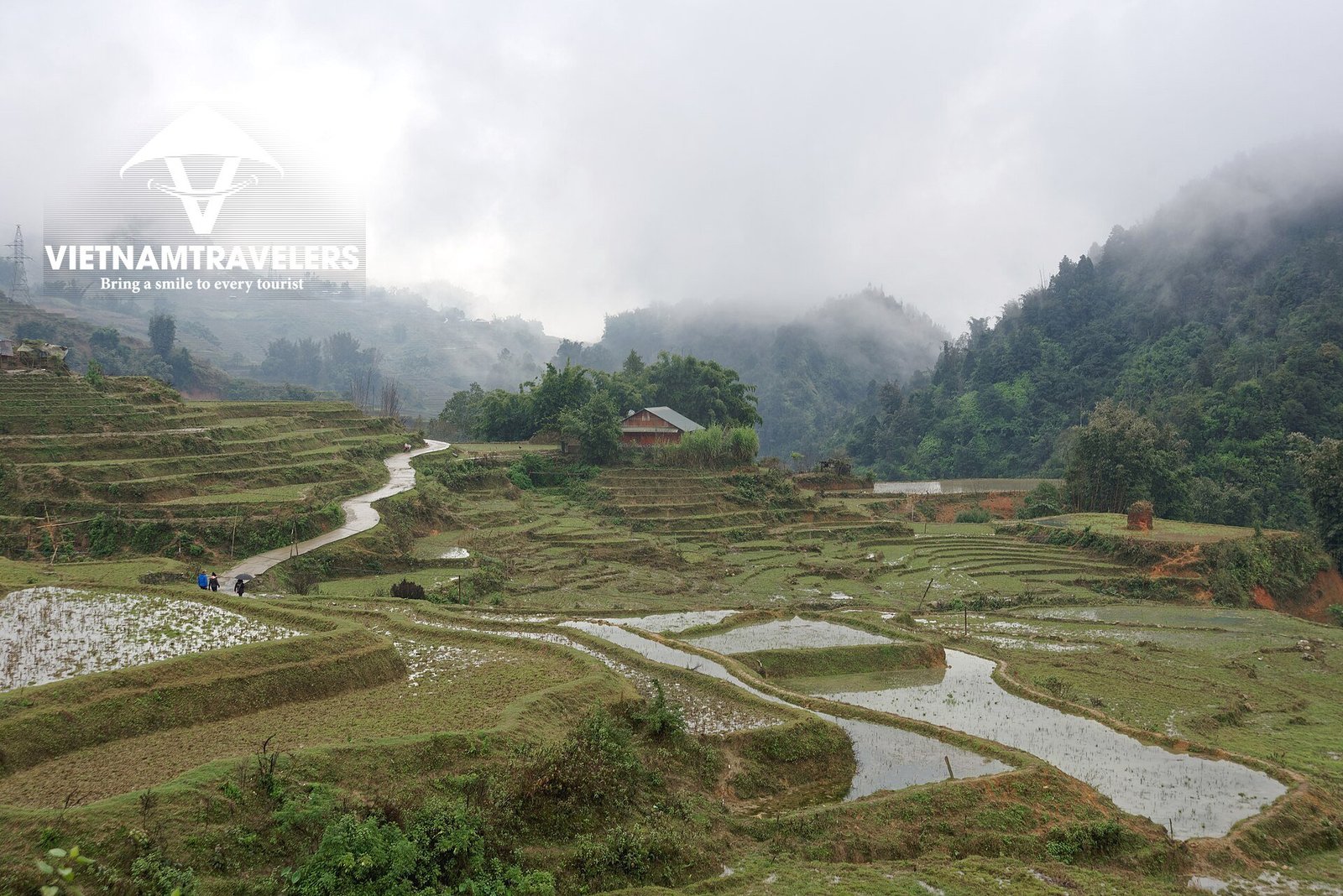
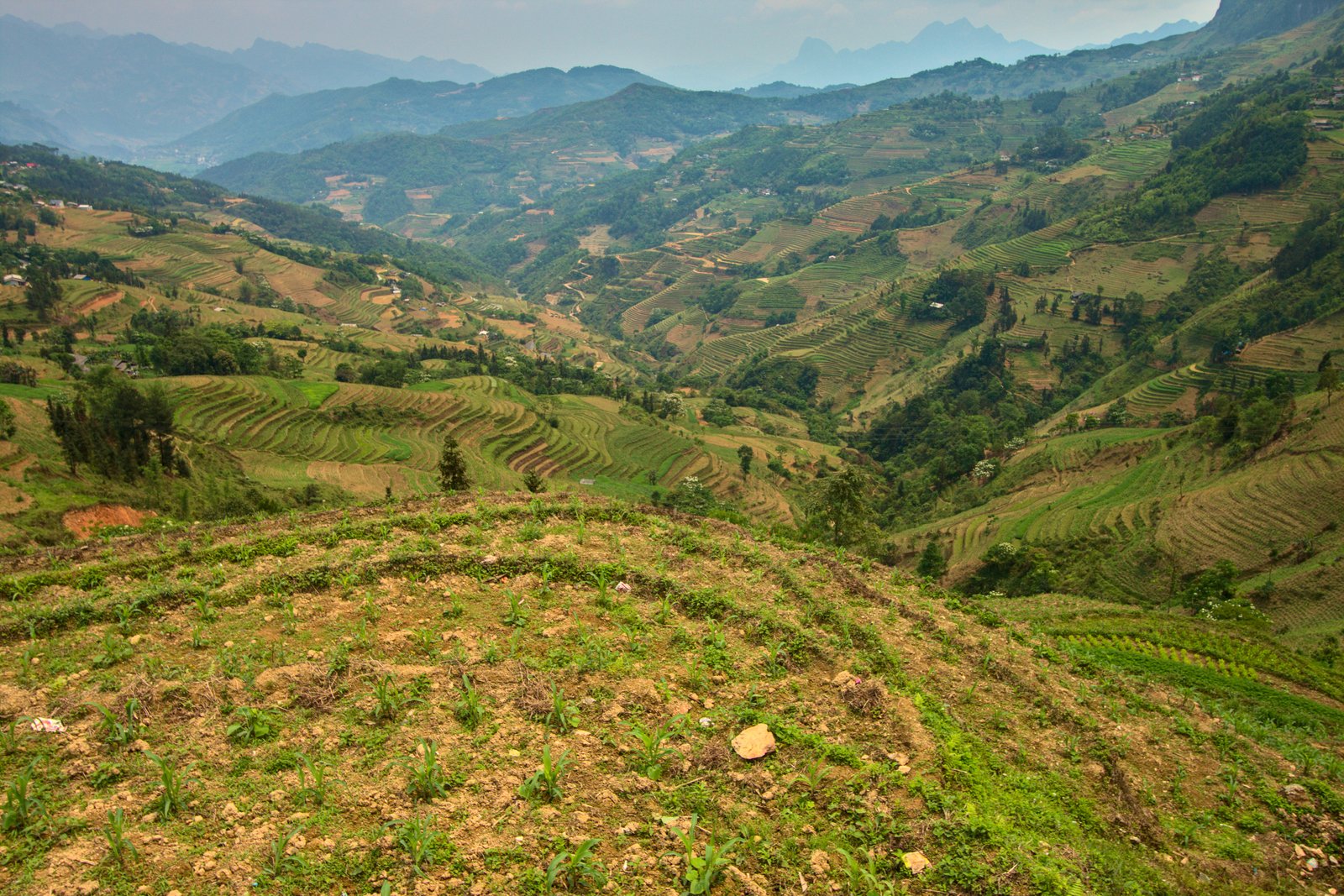
Northern Vietnam offers the clearest concentration of trekking landscapes: Sapa, Hoang Su Phi, Ha Giang and the wider Northeast combine terraces, limestone valleys, mountain roads and small communities with very different trail conditions.
A good trekking route does not need to chase a new village every night. Two- or three-night bases reduce packing, allow the guide to adjust the trail to weather and make it easier to choose between a short scenic walk and a longer mountain day. This matters in areas where rain can quickly change dirt paths and visibility.
Hoang Su Phi suits travelers who want rice-terrace scenery and village-to-village hiking. Ha Giang adds larger road landscapes and dramatic karst terrain. Sapa remains a practical option for combining trekking with established accommodation and access from Hanoi. The best choice depends on desired difficulty, season and tolerance for road time.
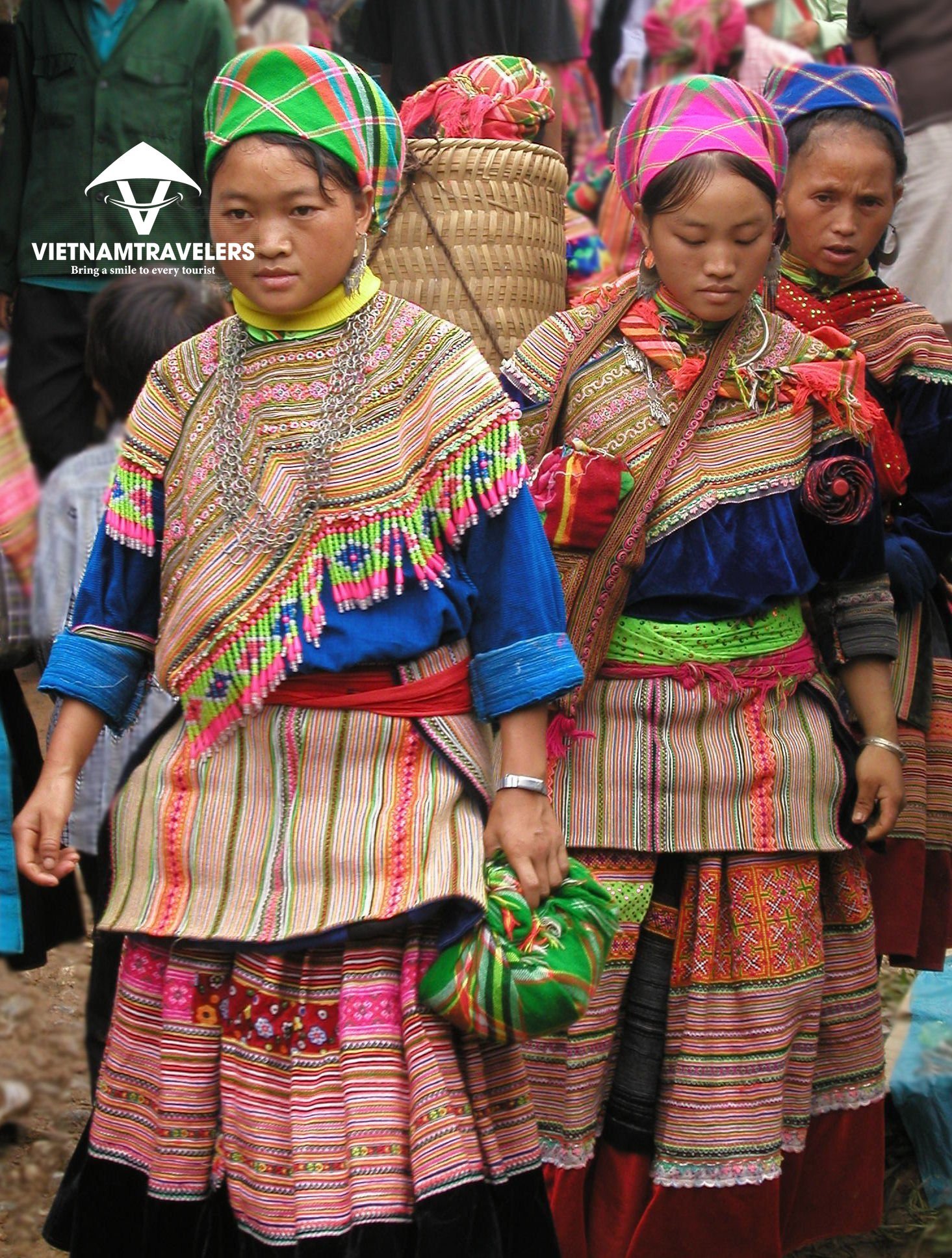
Local guiding adds more than navigation. A guide can explain farming patterns, village etiquette and changing trail conditions, while helping visitors avoid treating homes and working landscapes as photo sets. Keep stops natural and ask before photographing people at close range.
Related trekking routes: Trekking Tours | 8-Day Hoang Su Phi Trekking Tour | Sapa Tour 3D2N

Cycling and motorbike travel changes the relationship with the landscape. Instead of moving between attractions in a closed vehicle, the road itself becomes part of the day. Rice paddies, mountain passes, villages and small market towns can be experienced at a slower, more continuous pace.
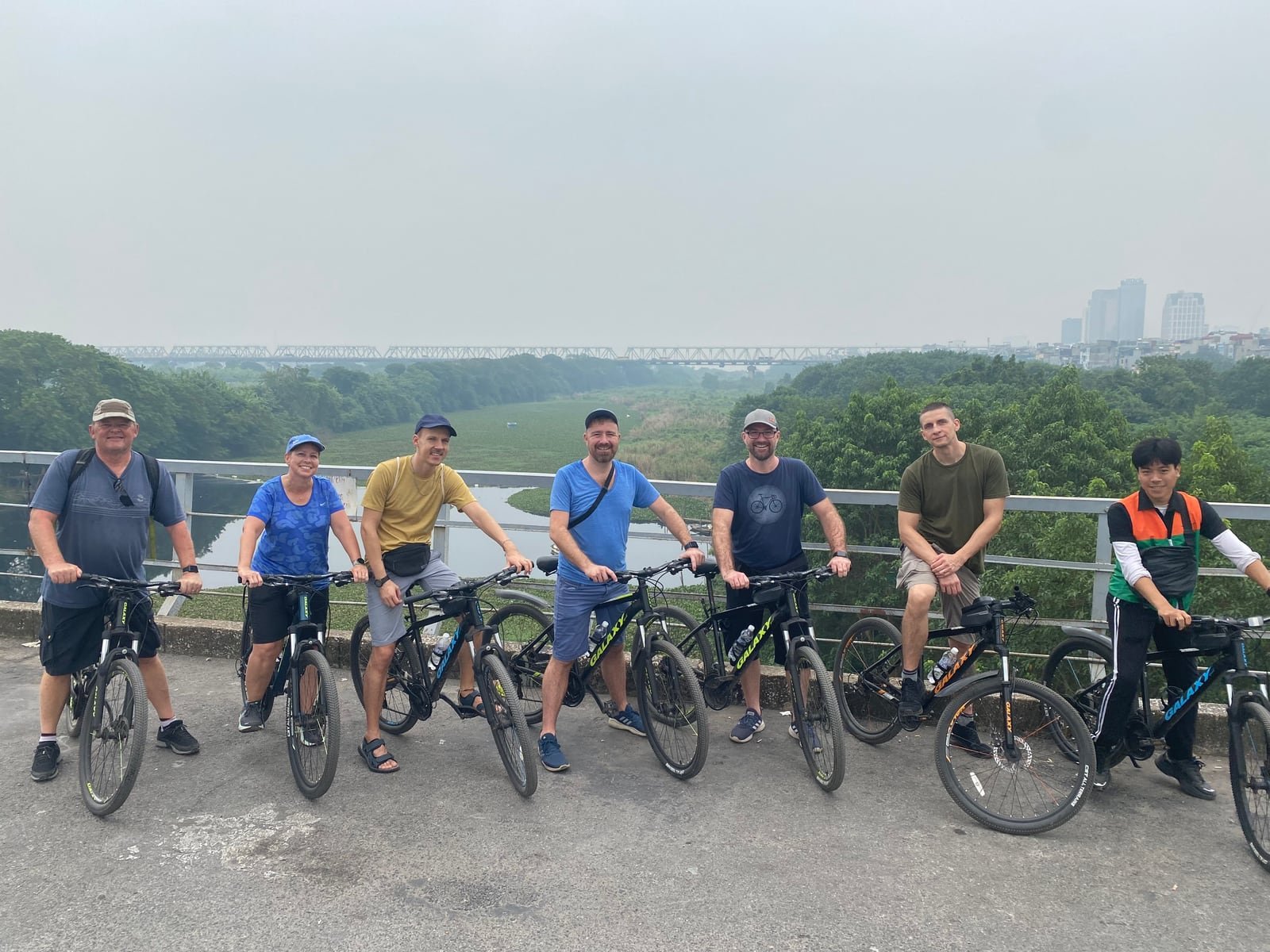
For cycling, compare riding distance, climbing, road surface, traffic and the availability of a support vehicle. A well-designed bike day should include bailout points so a traveler can stop early without disrupting the group. Helmet quality, bike sizing, repair equipment, drinking water and luggage handling should be clear before departure.
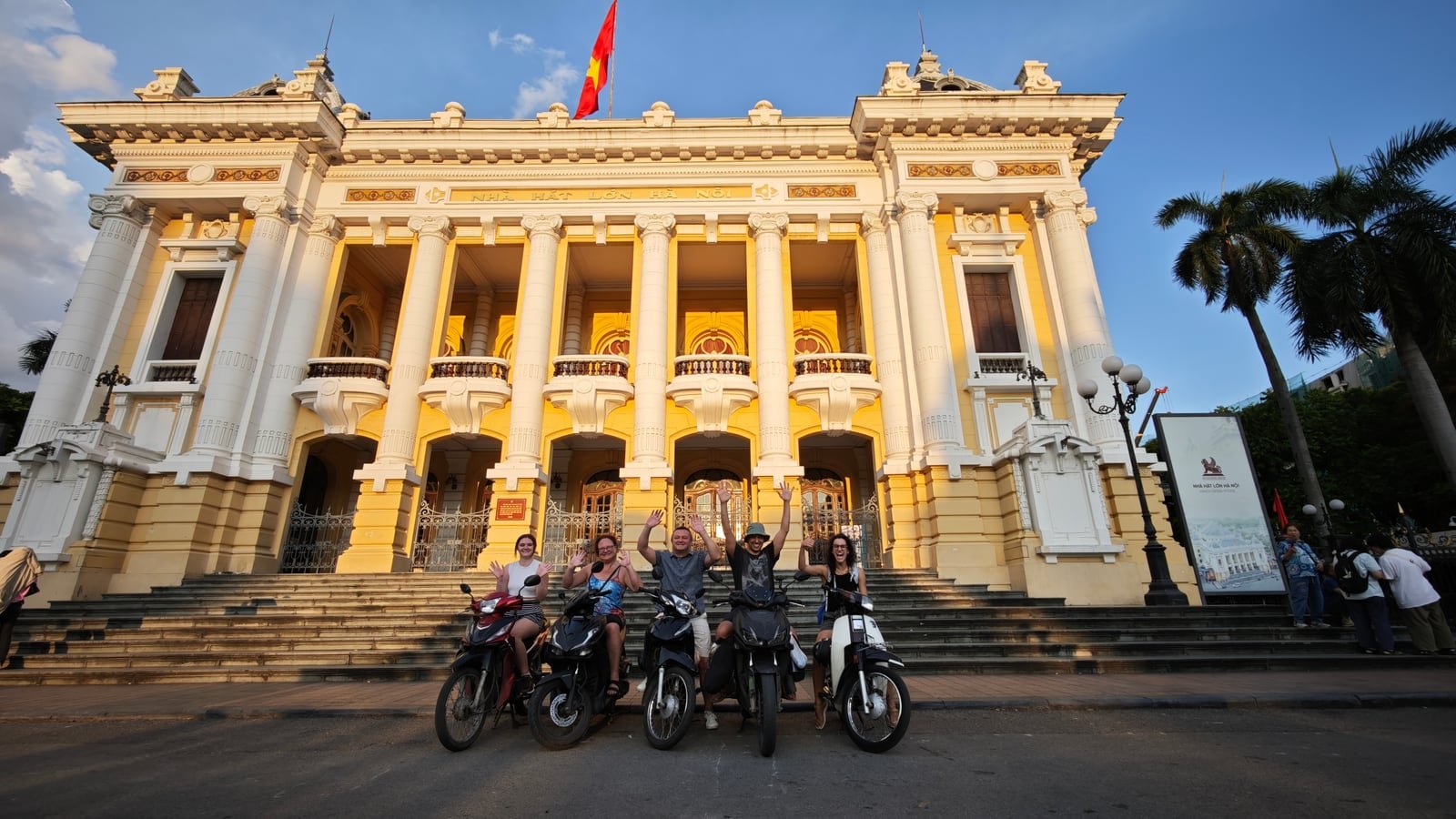
Motorbike routes need a different checklist. Travelers should understand whether they ride themselves or travel with an experienced local rider, what license or insurance requirements apply, what protective equipment is provided and how the route changes in heavy rain or poor visibility. Mountain roads can be beautiful without being suitable for every rider.
Do not turn an active journey into an endurance test by stacking maximum distance every day. Shorter riding stages leave time for viewpoints, meals and local stops, and they reduce the pressure to continue when weather or fatigue changes.
Choose a riding style: Biking Tours | Motorbike Adventure Tours

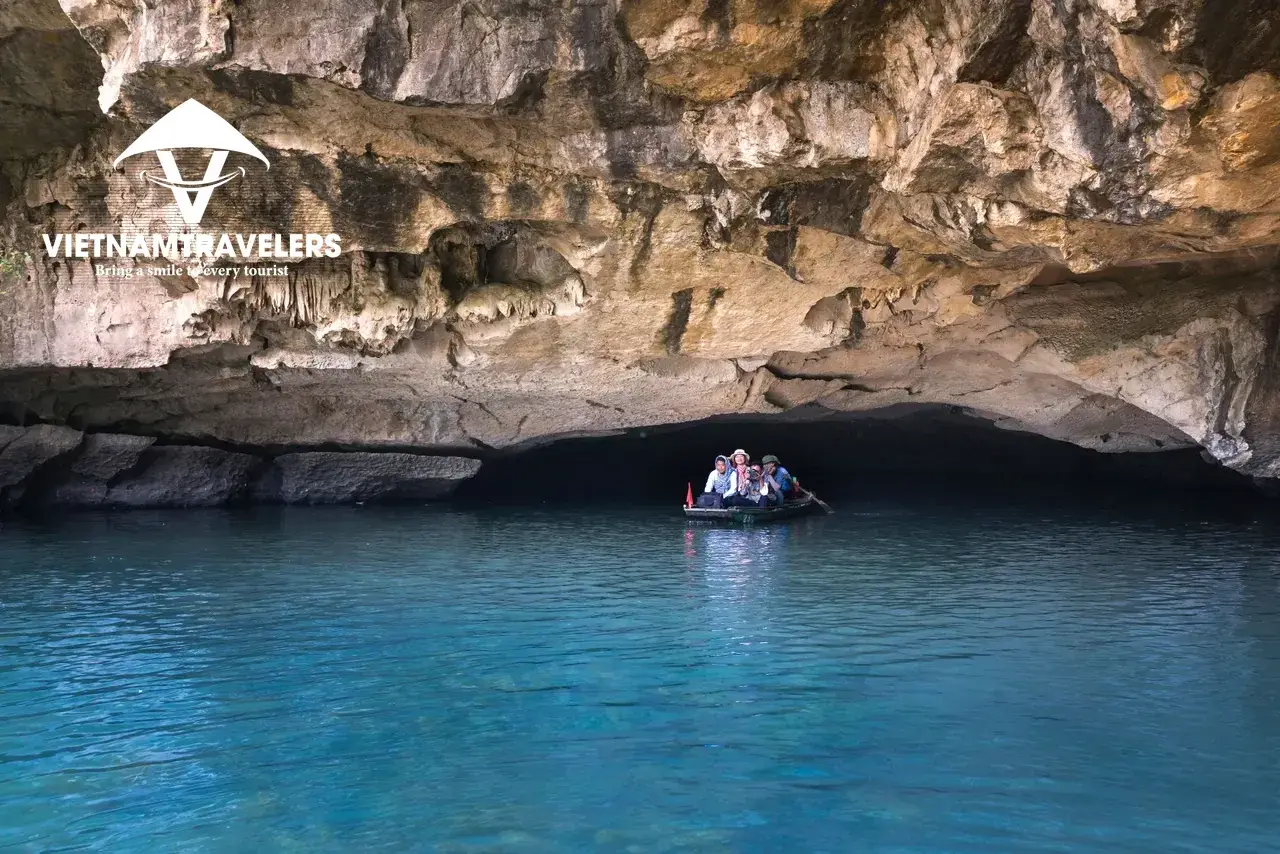
Kayaking is one of the easiest ways to add adventure without turning the entire holiday into a high-intensity trip. It works particularly well around Ha Long and Lan Ha Bay, Cat Ba and Ba Be, where a few hours on the water can be paired with walking, boat travel or a comfortable overnight stay.
The key question is not whether kayaking appears in the itinerary, but how it is operated. Confirm the expected time on the water, boat type, life jackets, dry storage, guide presence, weather procedure and whether beginners can choose a shorter route. Strong wind, thunderstorms or changing water conditions should trigger a clear alternative rather than pressure to continue.
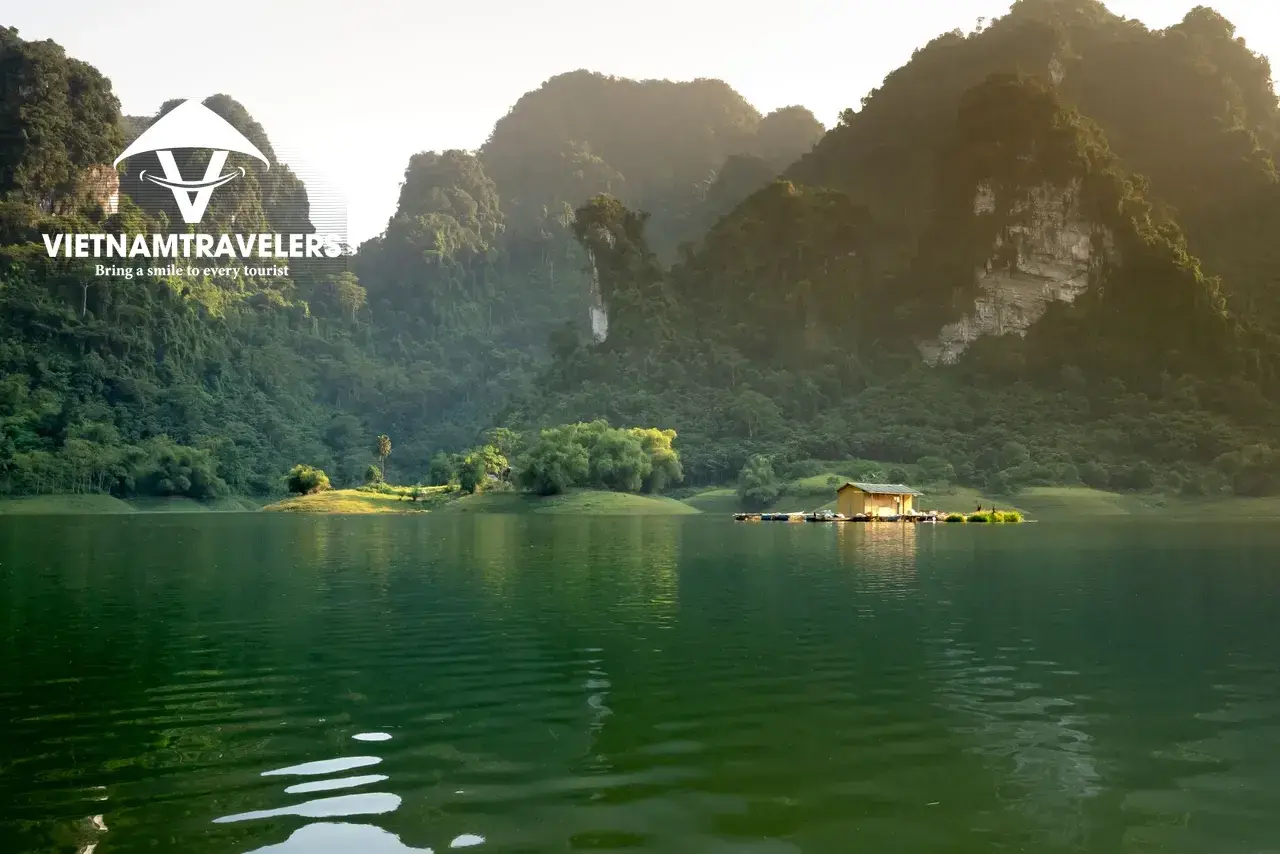
Cat Ba can combine kayaking with national-park hiking, boat travel and village cycling. Ba Be offers a calmer lake environment that can work inside a wider Northeast route. Both can provide an active day without requiring expert technical skills when the program is matched to the traveler.
Avoid pairing a long kayak session with a demanding trek and a major road transfer on the same day. Water activity often uses more energy than guests expect, especially in heat and humidity.
Water-based options: Ba Be Lake Kayaking - 1 Day | Cat Ba Island Tours

Cave and jungle experiences can be the most memorable part of an adventure itinerary because the environment feels genuinely different from ordinary sightseeing. They also require the clearest operating standards. Darkness, water, slippery surfaces, confined areas and remote access leave less room for casual planning.
Before booking, ask for the actual trekking distance, time underground, water depth where relevant, ladder or scrambling sections, footwear requirement, helmet and lighting equipment, guide ratio and weather restrictions. “Cave trek” can mean a short developed-cave walk or a much more physical day in remote terrain.
Phong Nha-Ke Bang is the natural focus for cave-based travel in Vietnam. Products such as a Hang Tien day trek can work as a dedicated active day inside a broader central Vietnam route. Da Lat provides a different type of adventure base with highland trekking, cycling and canyoning-style activities, so travelers can choose the environment that fits their comfort with water and height.
Insurance also deserves attention. Travelers should check whether their policy covers the specific activity rather than assuming all hiking or adventure sports are included. If a provider has a minimum age, health restriction or weather cutoff, treat it as a safety rule rather than an inconvenience.
Explore active central Vietnam: Hang Tien Cave Day Trek | Da Lat & Highlands Tours | Central Vietnam Adventure 4 Days
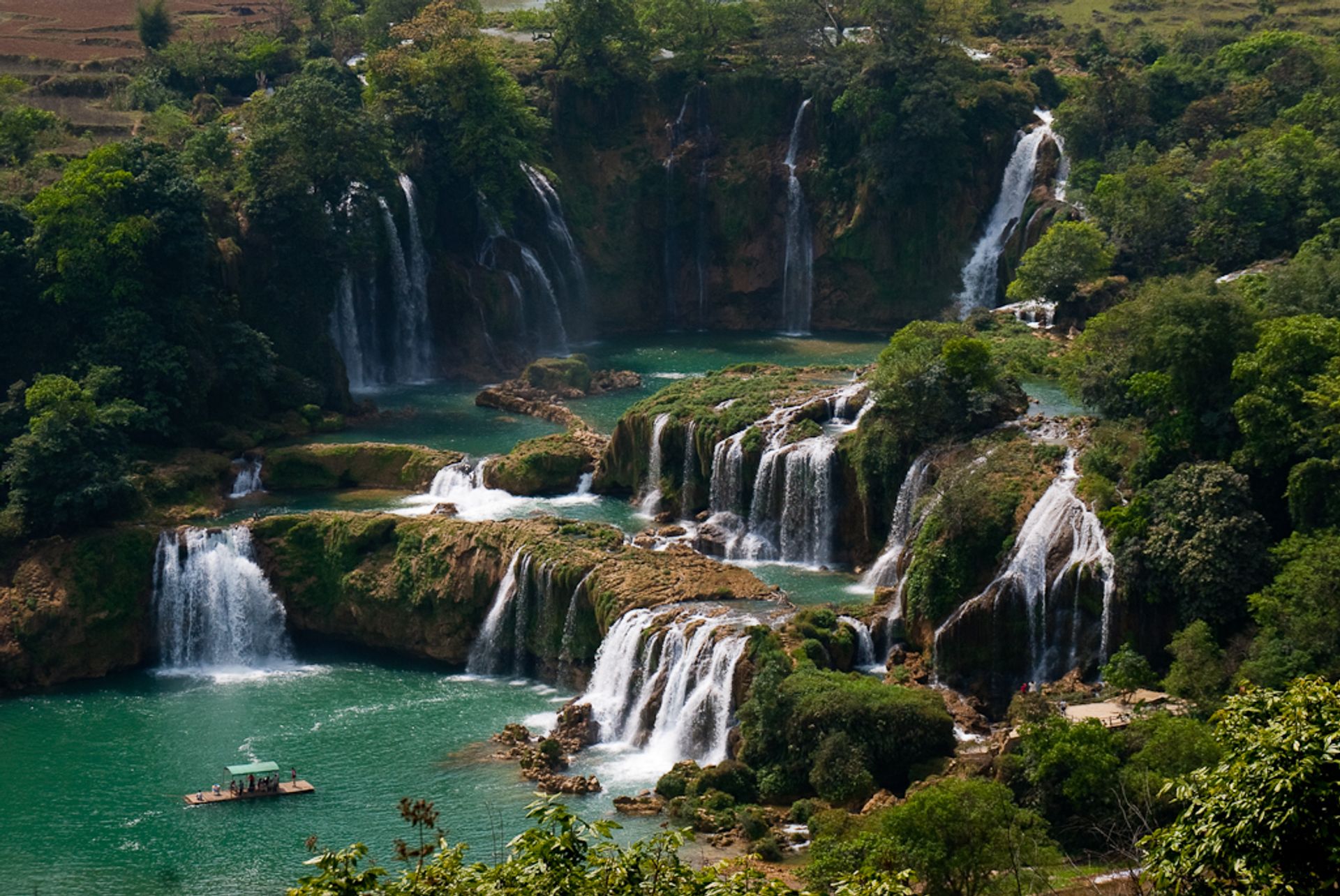
Northern Vietnam becomes a true journey when Ha Giang, Dong Van, Cao Bang, Ban Gioc and Ba Be are connected as a circuit rather than treated as isolated day trips. The reward is variety: karst passes, waterfalls, villages, lake scenery and optional trekking. The cost is road time.
A six-day Northeast concept can move from Ha Giang through Dong Van and Cao Bang to Ban Gioc and Ba Be. That is already a full route, so adding Sapa, Ha Long Bay or another distant mountain area inside the same week usually creates too much transfer pressure. Give the Northeast enough time to breathe.
Road conditions and travel times should be confirmed close to departure. A distance that looks short on a map can take much longer on winding mountain roads. Build daylight transfers where possible, avoid unnecessary one-night detours and let the guide adjust viewpoints or short walks when weather closes in.
Ba Be is useful as the final change of rhythm. A lake trip or short jungle walk can feel restorative after several mountain-road days. The goal is not to finish with the hardest activity, but to finish with a coherent progression from highland landscapes to water and forest.
Northeast route ideas: Northeast Vietnam Trekking 6 Days | Ba Be Lake Kayaking | Adventure Tours

Duration only becomes useful when it is matched to activity load. A four-day program with three hard days can feel more demanding than a ten-day itinerary with active mornings, comfortable hotels and recovery afternoons.
One-day adventures are useful add-ons for travelers who want a single active experience. Two to four days suit one region. Five to eight days can support a real trekking or riding route. Longer journeys make sense when different activities are connected with enough recovery and transfer time between them.
Mixed-adventure itineraries need restraint. Trekking, cycling, kayaking and cave visits can complement each other, but every activity adds equipment, weather dependencies and physical stress. Pick one or two anchor activities and use the others as lighter contrasts.
The table below is a planning framework rather than a fixed package rule. Exact timing should always be adjusted to season, route, group fitness, transport and current operating conditions.
Compare travel styles: Adventure Tours | Trekking Tours | Biking Tours
| Adventure format | Typical duration | Best for | Main consideration |
|---|---|---|---|
| Soft-adventure day trip | 1 day | Kayaking, easy cave, short cycling or guided walk | Weather and transfers can dominate a short day |
| Active regional escape | 2-4 days | One area with one main activity | Limited recovery time if every day is difficult |
| Trekking route | 5-8 days | Mountain walkers and terrace landscapes | Trail surface, weather, accommodation and fitness |
| Mixed adventure | 8-12 days | Trekking plus cycling, water or cave activity | More equipment, transfers and recovery planning |
| Motorbike journey | 4-10 days | Travelers who want the road to be part of the trip | Rider setup, road conditions, licensing and weather |
| Multi-region adventure | 10-15+ days | Travelers wanting strong geographic contrast | Long transfers can dilute the active experience |

Adventure travel makes group dynamics more important than ordinary sightseeing. A private guide can respond to fitness, weather, dietary needs and changing trail conditions without asking a whole departure to change pace. That flexibility is valuable for families, couples and mixed-ability groups.
Small-group departures can lower the per-person cost and add a social element. The trade-off is a common schedule. Walking speed, start times, rest stops and vehicle movements must work for everyone, so one traveler has less control over the day.
Before choosing a group trip, ask for the true maximum group size, guide-to-guest ratio, support-vehicle arrangement and what happens if someone cannot complete an activity. A good operator should have a practical answer that does not shame the traveler or leave the rest of the group waiting for hours.
Private does not automatically mean safer, and group does not automatically mean more organized. The quality of guiding, equipment, route design and emergency planning still matters most. Choose the format that best supports the group profile.
Flexible formats: Family Holiday Tours | Customize your Adventure Tour
A strong adventure proposal should be precise about what the traveler actually does each day. “Trekking,” “cycling” or “kayaking” is not enough. The itinerary should state duration, terrain, transfers, guide support, key equipment and the alternative when weather or fitness makes the original plan unsuitable.
Equipment should be matched to the activity. For cycling, that means bike type, sizing, helmet and repair support. For kayaking, life jackets and weather procedure. For cave travel, helmet, lighting and footwear. For trekking, route difficulty, water plan and emergency access matter more than decorative inclusions.
Food and hydration also need planning on active days. Ask whether drinking water is provided, where lunch is taken and how dietary requirements are handled in remote areas. A beautiful trail is not improved by an avoidable shortage of water or a meal that arrives hours too late.
Finally, the package should include a realistic backup. Heavy rain, high water, poor visibility or road disruption can change an active program. A responsible itinerary explains how the operator shortens, replaces, postpones or reroutes an activity without improvising after the guest arrives.
Build a tailored route: Customize your trip | Sustainable & Eco Tours
An adventure tour includes an active element such as trekking, cycling, kayaking, cave exploration or motorbike travel where terrain, weather and physical effort shape the day. The intensity can range from easy soft adventure to demanding multi-day activity.
It depends on the exact route. Ask for daily active hours, distance, elevation, terrain and the hardest day. A traveler does not need elite fitness for soft adventure, but the itinerary should match what the group can do comfortably for consecutive days.
One day works as an add-on, two to four days suits one region, and five to eight days supports a focused trekking or riding route. Ten days or more can combine regions if transfers and recovery time are kept realistic.
Trekking gives slower access to terraces, valleys and villages, while cycling covers more ground and makes the road part of the experience. Choose by fitness, road comfort, desired pace and the landscapes you want to experience at close range.
Yes when the activities are age-appropriate and the route is flexible. Families should check minimum ages, equipment sizes, water safety, road exposure, rest breaks, medical access and whether an easier alternative is available.
It should state activity duration and difficulty, guides, transfers, accommodation, meals, drinking water, key equipment, weather procedures, emergency contacts and any support vehicle or exit plan needed for longer active days.
The operator should have a defined process to shorten, replace, postpone or reroute the activity. For water, cave and mountain programs, the weather alternative should be understood before payment rather than decided only after a closure.
Yes. These destinations form a logical Northeast circuit, but mountain-road transfers take time. A focused regional route is usually stronger than adding another distant destination to the same short itinerary.
Private travel gives more control over pace, stops and route changes. A small group can cost less and be more social. The better choice depends on fitness differences, family needs, desired flexibility and the quality of guide and support arrangements.
Choose the season for the exact region and activity, not for Vietnam as a whole. Mountain visibility, rain, heat, river conditions and trail surfaces vary. Reconfirm local weather and operational advice shortly before departure.
Share your dates, preferred activities, fitness level, group profile and comfort expectations. Vietnam Travelers can combine active days, private logistics and recovery time into one coherent route.
Design my adventure tour