Private guide pacing
Active days are adjusted around fitness, weather and comfort.


Vietnam Travelers Journey
Mindful and eco-focused
Fresh air, good lodges and active days without rough edges.
The Experience
Sustainable & Eco Tours designed for movement, scenery and recovery. The route stays active without losing comfort.
Forest nature routes, waterfall hikes, local community stays and responsible wildlife travel with minimal footprint.
Active days are adjusted around fitness, weather and comfort.
Scenic stops are placed where the light and timing work best.
Good hotels, spa time and slower evenings protect the journey.
Drivers, luggage and route timing are handled before you arrive.
Photography
Your Journey
Private transfer to the first lodge with time to settle in before dinner.
Active touring balanced with comfortable pacing and recovery windows.
Guided stops, market time or wildlife viewing selected around season and light.
A lighter final day before your onward route.
What's Included
Sample Hotels
Sapa, Vietnam
Golden Triangle
Cambodia
Hotels vary by departure date and availability. All properties meet our quality standard.
Sustainable & Eco Tours Tours
These journeys are tagged and ranked for sustainable & eco tours based on route, activities, water time and the tour style data.
36 matching sustainable & eco tours tours
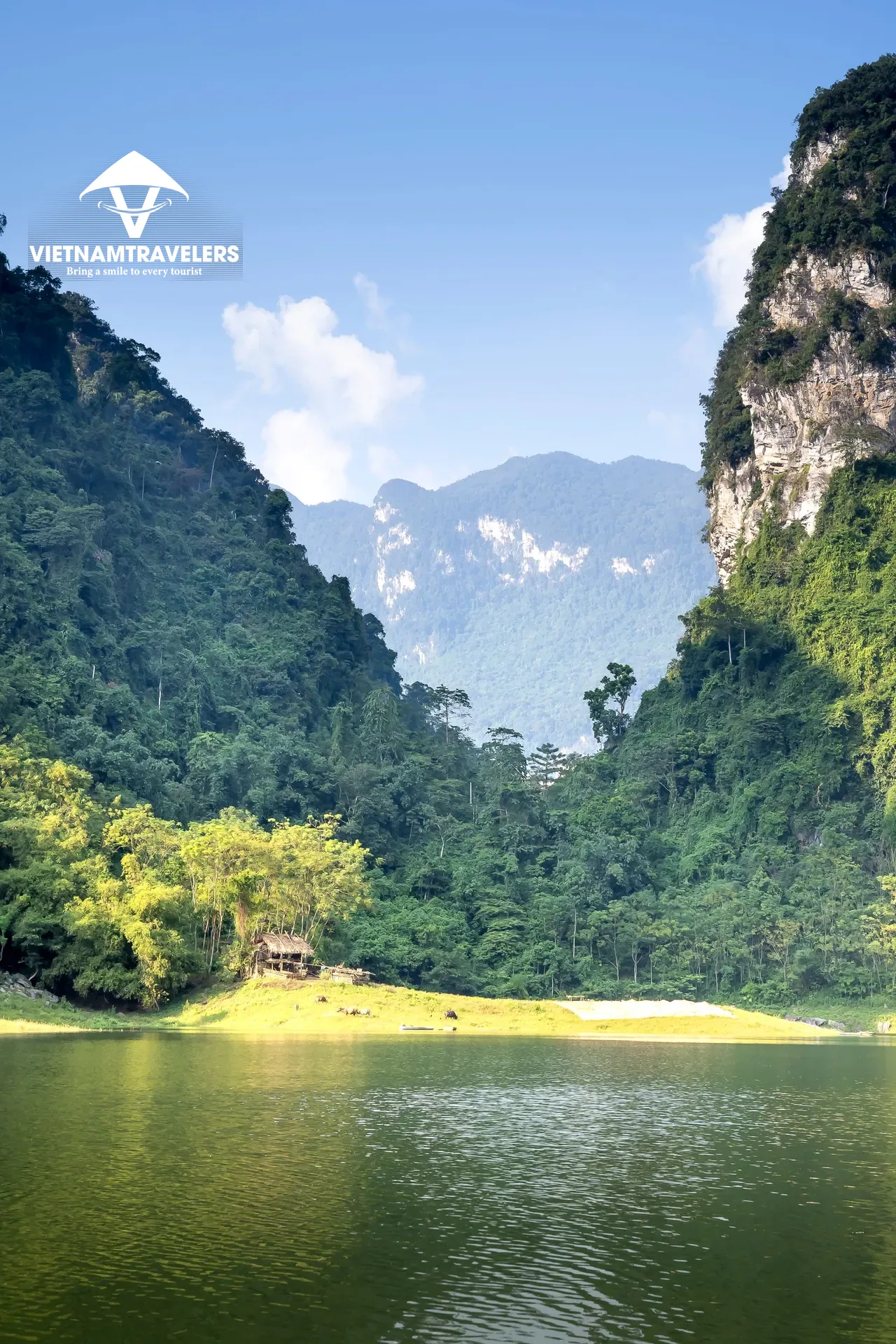
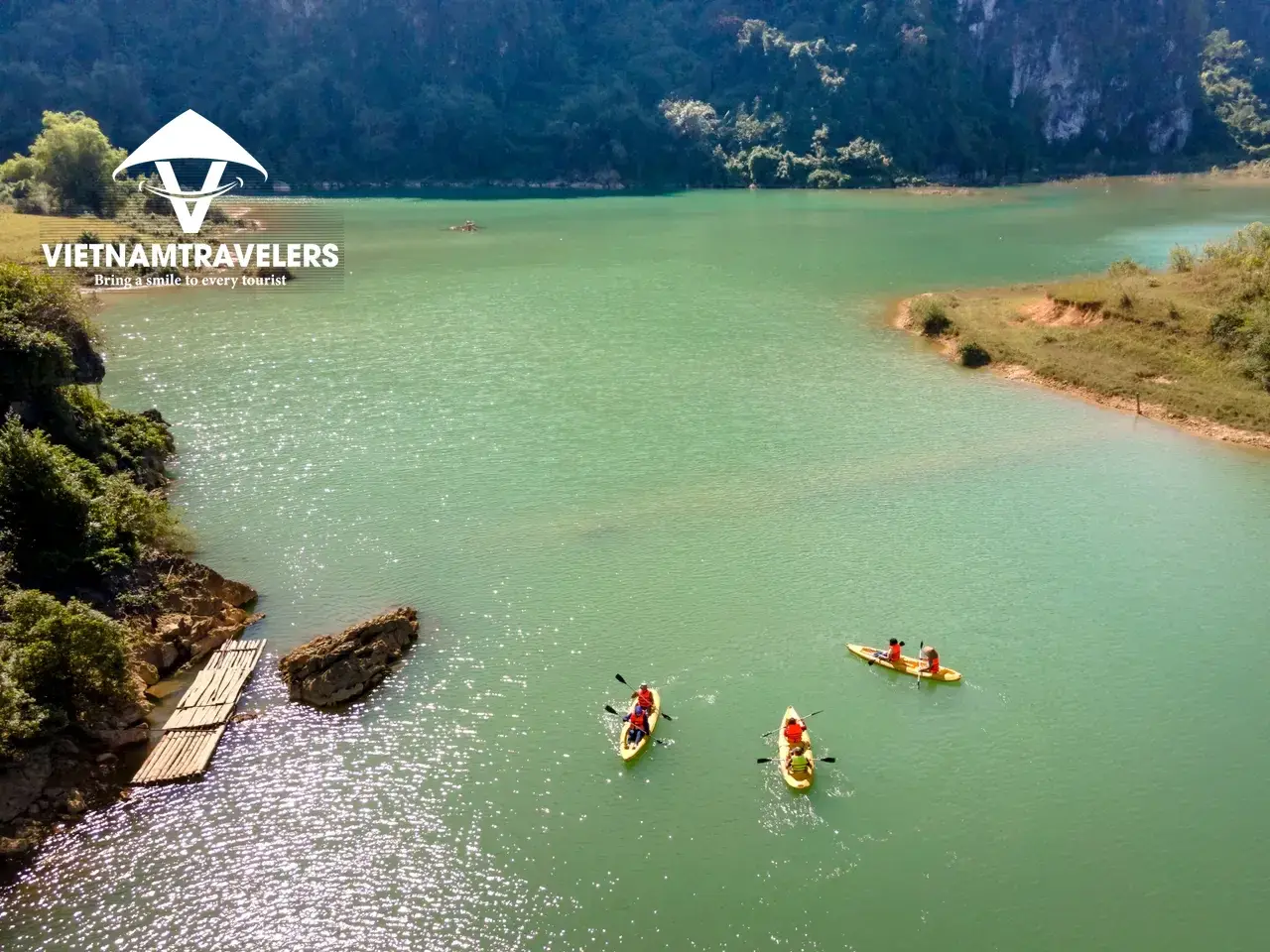
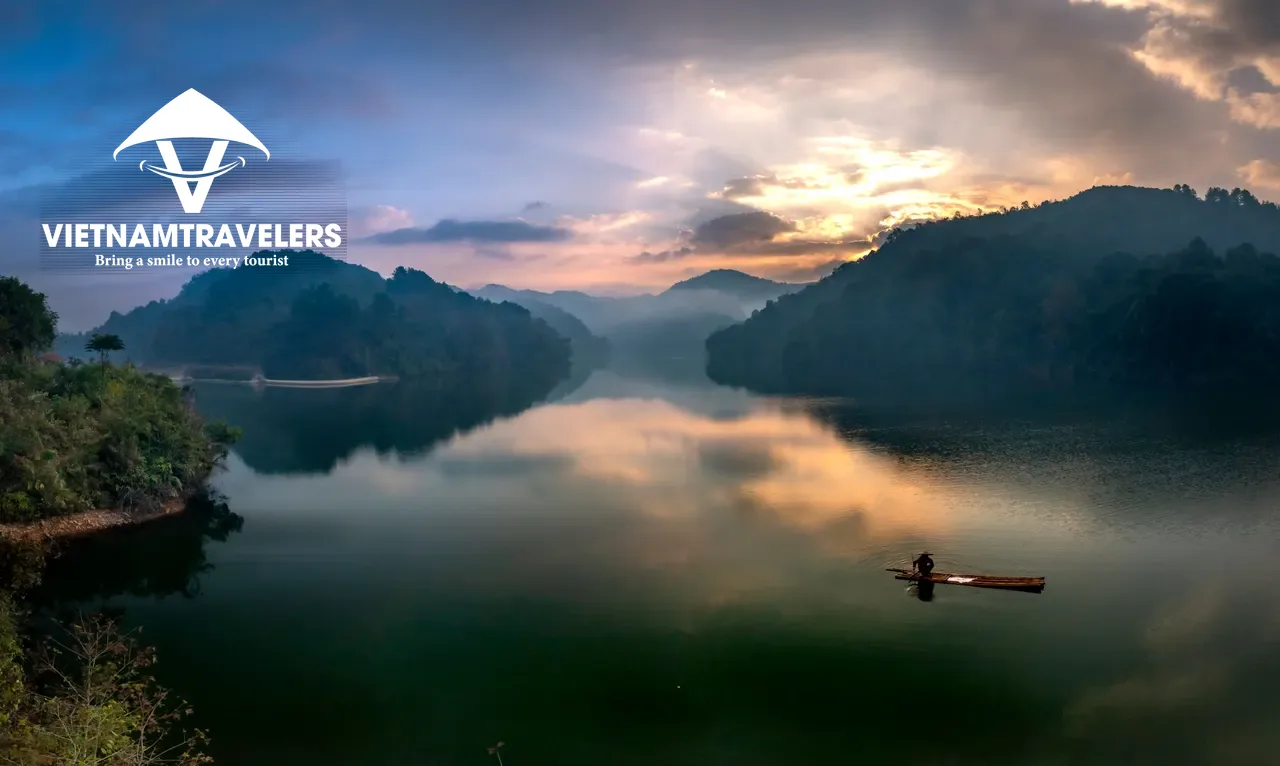







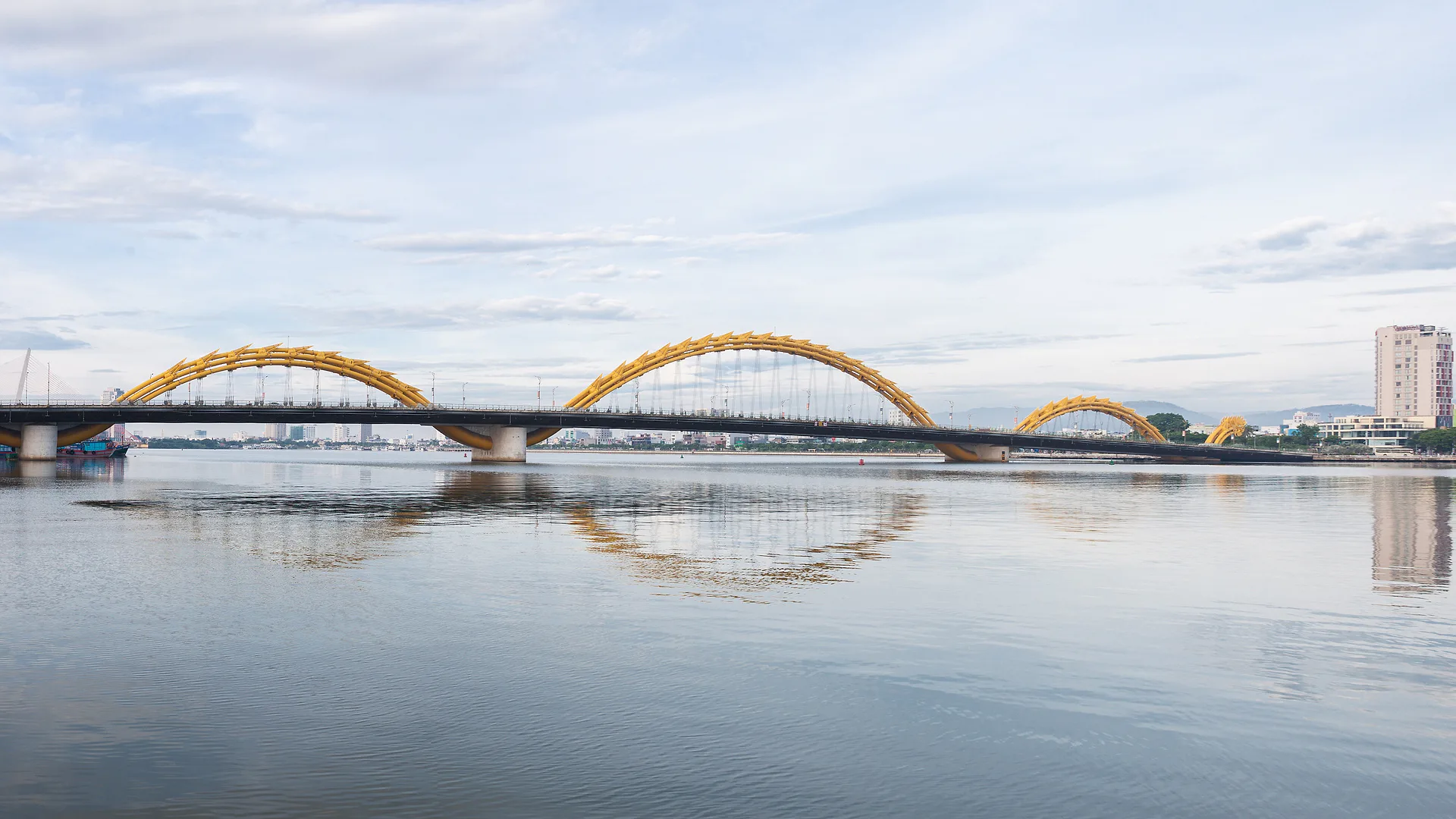
Sustainable travel guide
Sustainable & Eco Tours should do more than place an “eco” label beside a forest, village or lodge. A credible itinerary considers how the trip is managed, who benefits locally, how culture is treated and how environmental impacts are reduced.
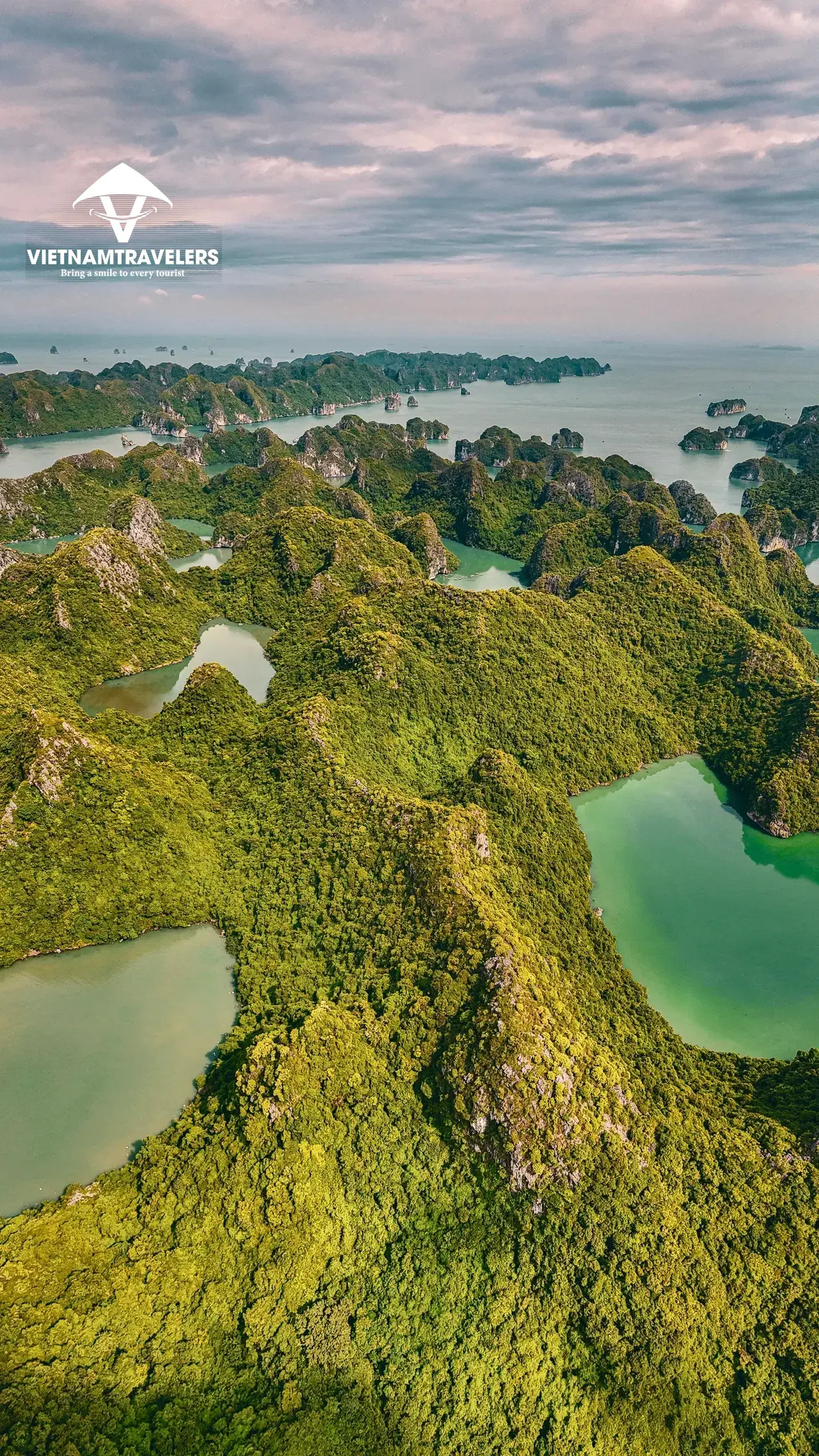
Vietnam offers strong conditions for this travel style: protected forests, wetlands, limestone landscapes, rice-growing valleys, village-based stays, cycling routes, trekking, waterways and wildlife-focused experiences can be combined without turning every day into a long transfer.
The best route is usually slower and more specific. It uses fewer bases, gives guides and hosts enough time, chooses activities that fit the landscape and makes practical choices around waste, water, wildlife, transport and accommodation rather than promising a trip with “zero impact.”
This guide explains how to evaluate sustainable tour claims, plan nature-based routes, choose community experiences, approach wildlife responsibly, compare trip lengths and identify the details a serious eco-focused proposal should include.

“Eco” can describe a genuinely thoughtful operating model, but it can also be used as a decorative word. Before choosing a package, ask what the operator can actually explain: how suppliers are selected, how local guides and communities benefit, what wildlife rules apply, how waste and water are handled and how the route limits avoidable pressure on sensitive places.
A useful benchmark is the Global Sustainable Tourism Council Tour Operator Standard. It organizes sustainable tourism around four broad themes: effective sustainability planning, social and economic benefit for local communities, cultural heritage and reduced negative environmental impact. A tour does not become certified merely because it follows some of these ideas, but the framework is useful for asking better questions.
Look for specific practices rather than broad promises. “Refill water is provided on the vehicle,” “the village visit is hosted by a local family,” or “wildlife is observed without feeding or handling” tells you more than “green journey.” The strongest proposals are comfortable describing limitations as well as strengths.
No travel is impact-free. Flights, road transport, accommodation, food, waste and visitor pressure all create trade-offs. A responsible itinerary acknowledges those realities and improves the parts it can control instead of relying on vague claims of perfect sustainability.
Explore the travel style: Sustainable & Eco Tours | Customize your trip

One of the simplest ways to improve an eco-focused itinerary is to reduce unnecessary movement. A route with two or three nights in one area can support deeper walking, local meals and flexible nature time while avoiding the fatigue of checking in and out every day.
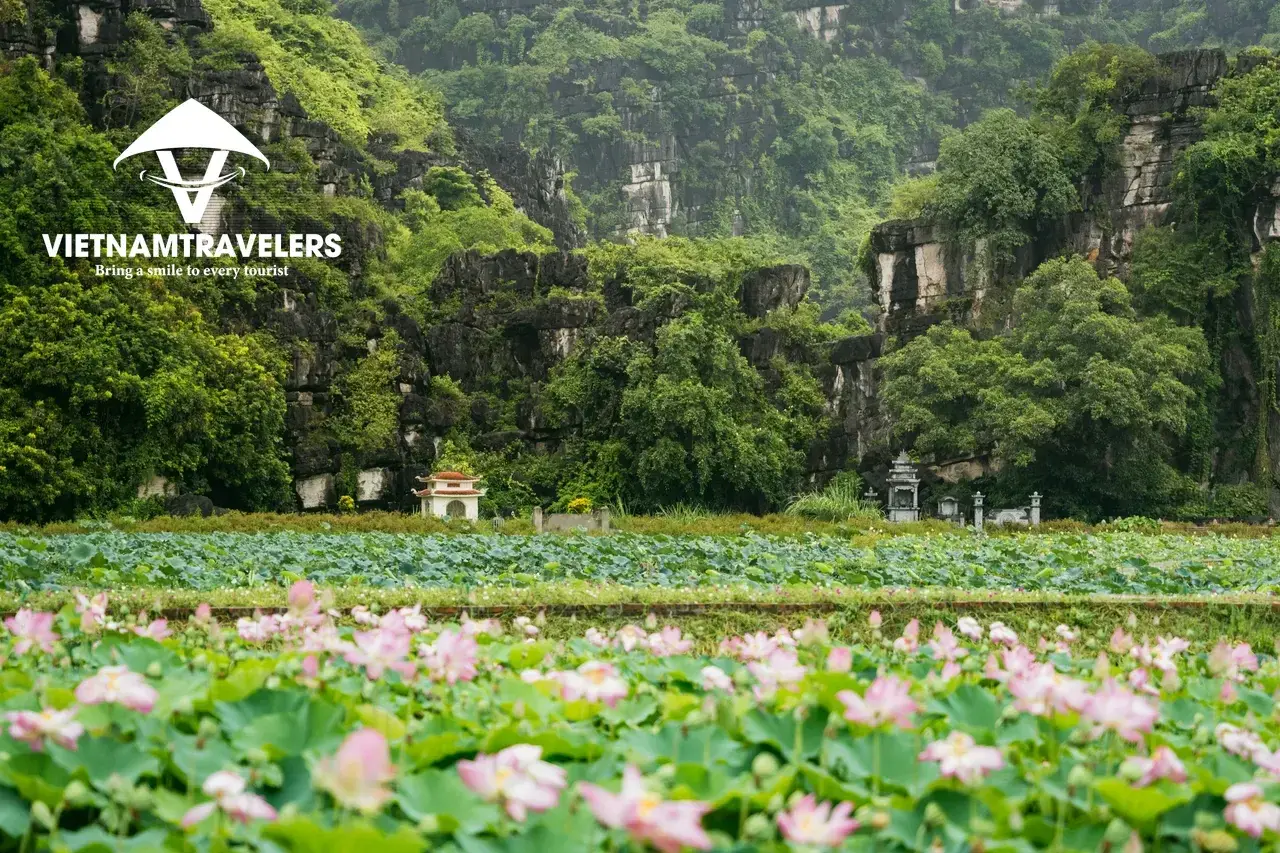
Northern Vietnam works especially well for this approach. Ninh Binh can combine Cuc Phuong National Park, Van Long Nature Reserve and Trang An without turning the journey into a race. Pu Luong can add terraced valleys, walking and village life while still allowing a multi-night base.
Slower routing also creates better weather flexibility. If rain affects a forest walk or boat trip, the guide has room to switch the order of activities instead of losing the only available window. That can be more valuable than adding another destination simply to make the itinerary look fuller.
When comparing packages, count hotel changes and road hours as carefully as attractions. A shorter geographic route often feels richer because more of the day is spent in the landscape rather than in transit.
Nature-focused ideas: Cuc Phuong National Park Full Day | Van Long Nature Reserve Tour | Pu Luong

A village stay can be one of the most meaningful parts of a sustainable journey, but only when local people are more than scenery. Ask who owns or manages the accommodation, who guides the experience, how meals and activities are arranged and whether the visit fits normal community life.
Reciprocity matters. Local guiding, locally prepared meals, craft purchases made directly from makers and small family-run services can keep more value close to the destination. That does not mean every service must be informal or basic. Comfort and local ownership can coexist.
Photography etiquette should be explicit. Homes, farms, religious spaces and working villages are not open-air studios. Ask before taking close portraits, avoid interrupting work for a photograph and let the guide explain when a cultural activity is private or sensitive.
Avoid itineraries that compress a “local experience” into a few staged minutes before moving on. Time for a walk, conversation, meal or overnight stay usually provides more context and creates a less extractive encounter.
Community and countryside routes: Ba Vi Eco Escape 3 Days | Ba Be Nature Escape 3D2N | True Essence of Northern Vietnam 8 Days

Walking, cycling and paddling can reduce vehicle use during part of a trip and create a closer relationship with the landscape. Their value is not only environmental: a slower mode reveals field patterns, river edges, small roads and village transitions that are easy to miss from a coach window.
Do not treat active travel as automatically sustainable. A cycling program can still involve long support-vehicle transfers, imported equipment or a route that overwhelms narrow local roads. Ask how the activity fits the broader itinerary and whether it replaces a transfer or simply adds another layer of logistics.
For cycling, confirm distance, gradient, road surface, traffic exposure, bike sizing and support. For trekking, ask about trail condition, elevation, weather and guide ratios. For paddling, life jackets, water conditions and closure procedures are essential.
E-bikes can be useful for mixed-fitness groups because they extend the range of riders without turning the day into a race. The key is to match the mode to the destination and traveler rather than selecting an activity only because it sounds green.
Active low-speed travel: Biking Tours | Northern Vietnam Nature & Heritage Cycling 4 Days | Hanoi E-Bike Tours | Trekking Tours
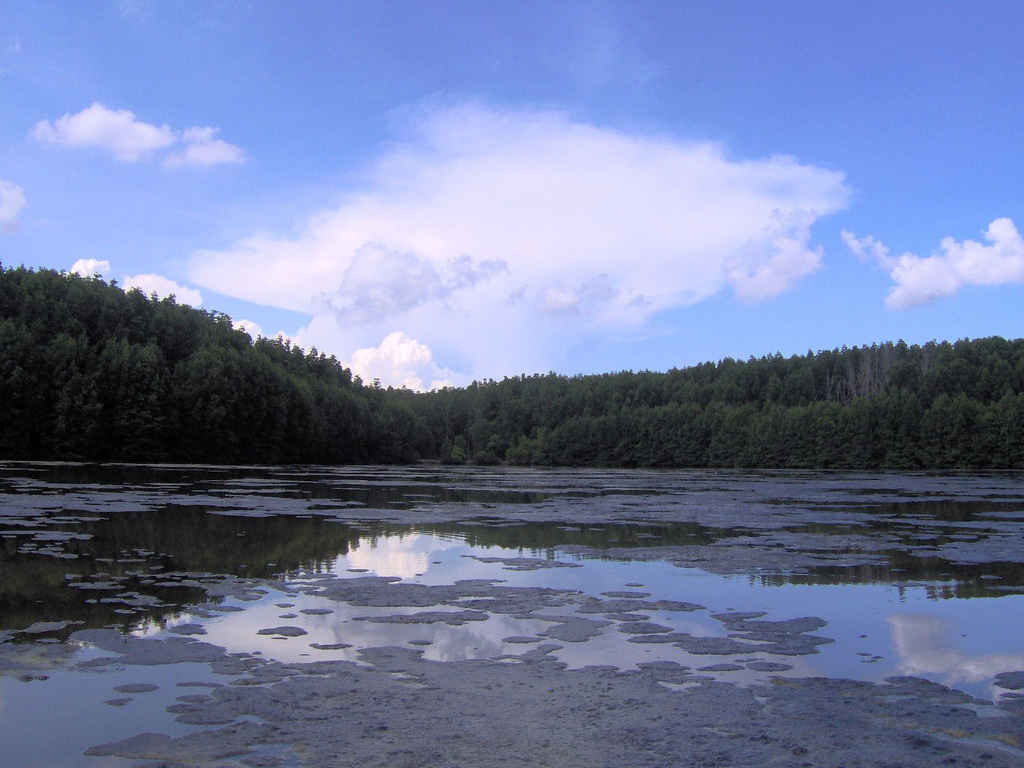
Wildlife can be a powerful reason to travel, but it needs a stricter standard than ordinary sightseeing. The animal’s welfare and natural behavior should matter more than the visitor’s photograph. That means avoiding experiences built around handling, forced contact, feeding for entertainment or guaranteed close-range encounters.
Ask how wildlife is observed, what distance rules apply, whether guides control noise and group behavior and whether the experience changes if animals are not present. A responsible operator should be comfortable with the possibility that wildlife is not seen at all.
Mangroves, wetlands and national parks also need habitat-level thinking. Boats should follow local operating rules, walking groups should stay on permitted routes and visitors should avoid taking natural materials as souvenirs. In sensitive areas, a smaller group and good interpretation can be more important than checking off many species.
If a program includes a rescue or conservation facility, ask what its purpose is and how visitor activity supports rather than disrupts rehabilitation. “Sanctuary” is not a guarantee of good welfare practice, so the actual interaction rules still matter.
Wildlife and wetland ideas: Can Gio Mangrove Forest Tour | Vietnam Family Wildlife Adventure 12 Days | Ba Be Nature Escape

Nature-heavy itineraries cross very different environments. A cave trek, national-park trail, mangrove boat trip and limestone bay cannot be managed with one identical checklist. Each place has its own limits, seasonal conditions and visitor pressures.
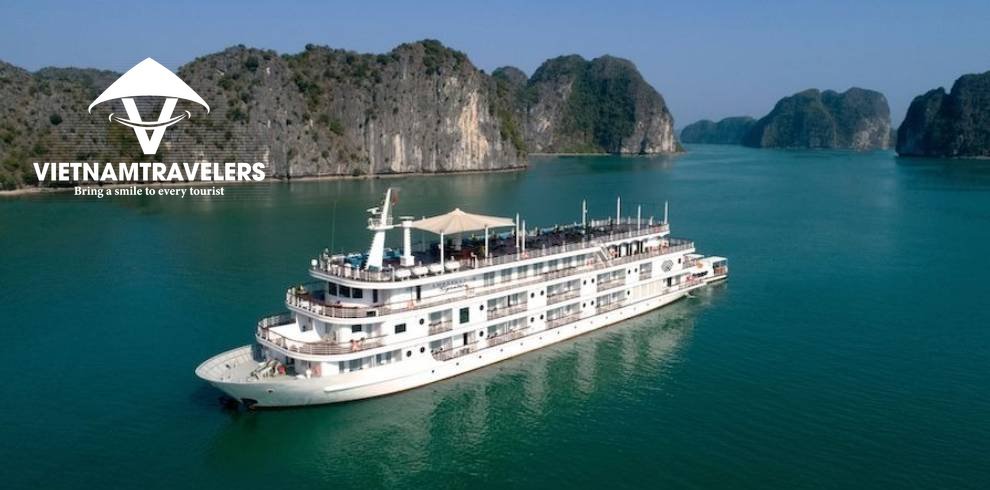
On forest trails, stay on established routes where required and carry out personal litter. In caves, follow access rules, avoid touching formations and use the safety equipment specified by the operator. On rivers and bays, keep loose plastics and disposable items under control and respect local restrictions on swimming, anchoring or landing.
Weather can change the environmental and safety profile quickly. Heavy rain can damage trails, raise water levels or close caves and boat routes. A strong itinerary includes an alternative instead of pressuring the guide to continue simply because the activity was advertised.
Group size matters most where space is limited or the ecosystem is sensitive. Ask whether the experience is private, shared or capped and whether permits or park rules define the maximum number of visitors.
Nature-heavy routes: Lan Ha Bay, Viet Hai & Cat Ba National Park | 2 Days Eco Trekking from Da Lat | Adventure Tours
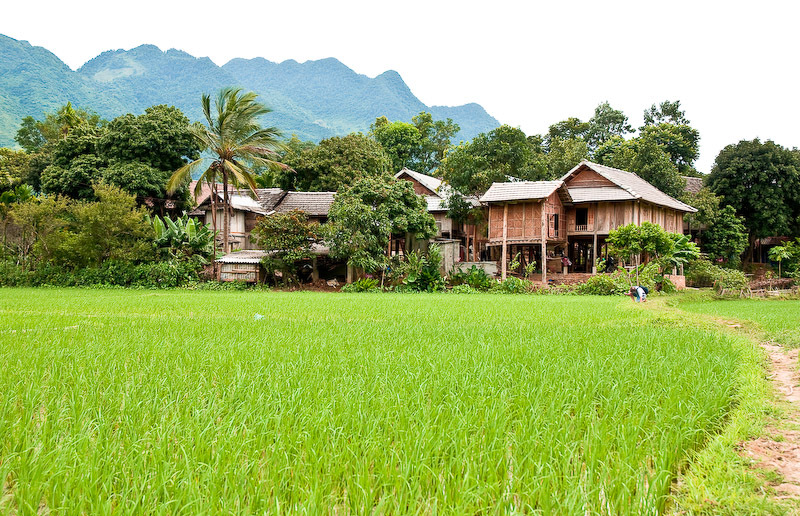
Sustainable travel is not automatically a long journey. A well-designed day trip can introduce a wetland or national park without requiring a new hotel, while a multi-day route can create greater local benefit when it supports community stays, local guides and slower travel across one region.
Choose the duration by geographic logic. Ninh Binh can work as a one-day nature extension or a two-night base. Ba Be and Pu Luong are better when the journey is long enough to justify the road transfer. A northern nature circuit needs enough days to avoid converting every morning into a departure.
Families often benefit from longer stays and fewer moves because children need recovery time and wildlife or outdoor activities are weather-dependent. Active travelers may prefer a shorter but more focused cycling or trekking route rather than a broad itinerary with only brief outdoor stops.
The table below compares practical formats. It is a planning guide, not a claim that every route has the same footprint or community benefit.
Compare routes: Trang An Ecological Park & Bai Dinh | True Essence of Northern Vietnam 8 Days | Family Holiday Tours
| Eco format | Typical duration | Best for | Main consideration |
|---|---|---|---|
| Nature day trip | 1 day | Van Long, Trang An, Cuc Phuong or Can Gio | Transport can dominate; keep the activity focused |
| Eco escape | 2-4 days | Ba Be, Pu Luong, Ba Vi or Da Lat | Use one base and protect time outdoors |
| Cycling / trekking route | 3-6 days | Active travelers and rural landscapes | Terrain, equipment, support and weather |
| Northern nature journey | 6-9 days | Nature plus village stays and heritage | Fewer hotel changes create better pacing |
| Family wildlife route | 8-12 days | Families wanting varied nature experiences | Age limits, recovery and ethical wildlife rules |
| Multi-region eco journey | 10-14+ days | Travelers seeking greater geographic contrast | Long transfers can undermine a slower travel style |

An “eco lodge” name does not automatically prove sustainable performance. Ask what the property actually does: refill drinking water, linen-change options, energy or water-saving systems, waste separation, local employment, locally rooted food supply or recognized sustainability certification where available.
Certification can be useful because it introduces independent criteria, but travelers should not assume that every small local property has the resources to pursue it. A transparent family-run stay with sensible operating practices may still fit the route well. The operator should explain why a property was selected.
Food is another part of the experience. Local dishes and seasonal ingredients can strengthen the connection to place, but sustainability is not simply a matter of food miles. Waste, sourcing, dietary needs, portion planning and the way visitor demand affects local supply all matter.
For remote areas, ask how drinking water is provided and whether single-use bottles can be reduced without compromising hygiene. The practical answer may differ by destination, so the proposal should prioritize safe water first and waste reduction second.
Build a balanced stay: Sustainable & Eco Tours | Customize a private journey
A strong proposal should make sustainability visible in the itinerary rather than leaving it in a marketing paragraph. You should be able to see where the route slows down, which services are locally rooted, how nature activities are managed and what happens when weather or site rules change the plan.
The operator does not need to promise perfection. It does need to give enough detail for the traveler to make an informed choice. Clear limits, realistic backup plans and specific supplier practices are stronger than absolute claims about being “100% green.”
Ask for the following details before payment, especially when the itinerary relies heavily on protected areas, community stays or wildlife experiences.
Plan privately: Customize your trip | Sustainable & Eco Tours
A sustainable tour considers how the trip is managed, local social and economic benefit, cultural respect and environmental impact. Look for specific practices in routing, guiding, accommodation, wildlife, waste and community engagement rather than relying on the word “eco.”
No. Travel still creates emissions and other impacts. Carbon-neutral or offset claims should be treated as specific claims that need transparent evidence. A credible eco itinerary can reduce avoidable impacts without pretending the journey has no footprint.
Ninh Binh, Cuc Phuong, Van Long, Pu Luong, Ba Be, Cat Ba and Lan Ha Bay, Can Gio and the Da Lat highlands can all support nature-focused itineraries. The best choice depends on season, travel time, activity level and the type of ecosystem you want to experience.
Yes. Families often benefit from private pacing, fewer hotel changes and short nature activities. Check age limits, water safety, wildlife rules, medical access, walking difficulty and whether the itinerary has a weather alternative.
Ethical wildlife travel prioritizes natural behavior and animal welfare. Avoid feeding, handling, baiting or forced contact for entertainment. Good programs explain distance rules, guide behavior and what happens if wildlife is not seen.
Private travel gives more control over pace, route changes and mixed fitness. A well-managed small group can use transport efficiently and still follow strong sustainability practices. The quality of operations matters more than the label alone.
No. Some properties have recognized certification, while others use the term “eco” without third-party verification. Ask what standards or operating practices support the claim and why the property was selected for the itinerary.
One day can work for a focused reserve or park. Two to four days suits one nature region, while six to nine days allows a slower northern circuit. Longer trips should protect multi-night stays so extra distance does not create constant transfers.
Bring reusable items that you will actually use, weather-appropriate clothing, refillable water capacity where safe refill is available, suitable walking footwear and any personal medication. Follow operator guidance for specialist equipment rather than buying unnecessary gear.
Ask for evidence behind broad claims: supplier criteria, local benefit, wildlife rules, waste and water practices, group limits, certification where relevant and the route’s transport logic. Specific answers are more useful than slogans.
Share your dates, preferred nature regions, activity level, accommodation needs and group profile. Vietnam Travelers can shape a slower route around local life, responsible nature experiences and practical comfort.
Customize a Sustainable & Eco Tour