Private guide pacing
Active days are adjusted around fitness, weather and comfort.

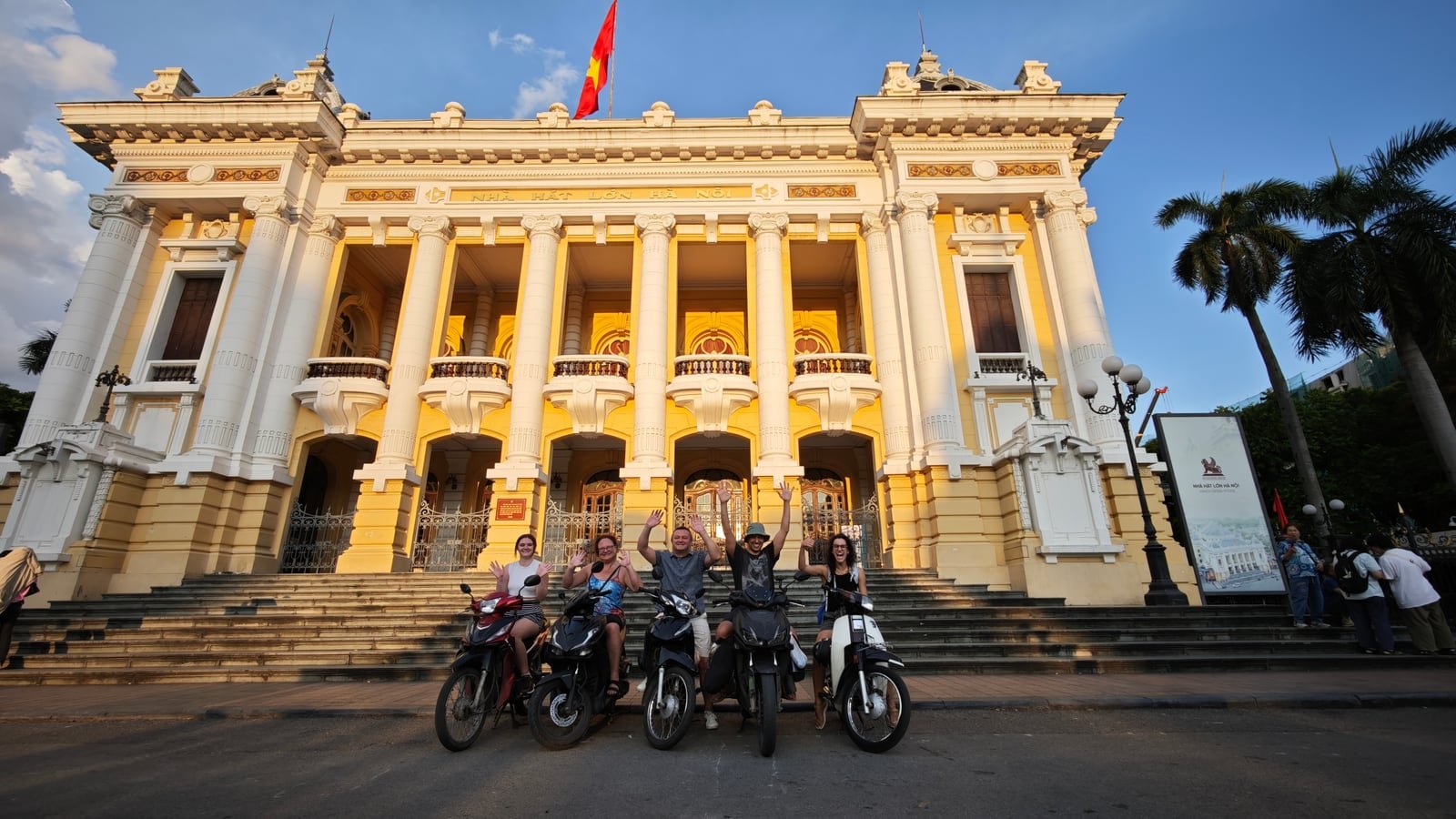
Vietnam Travelers Journey
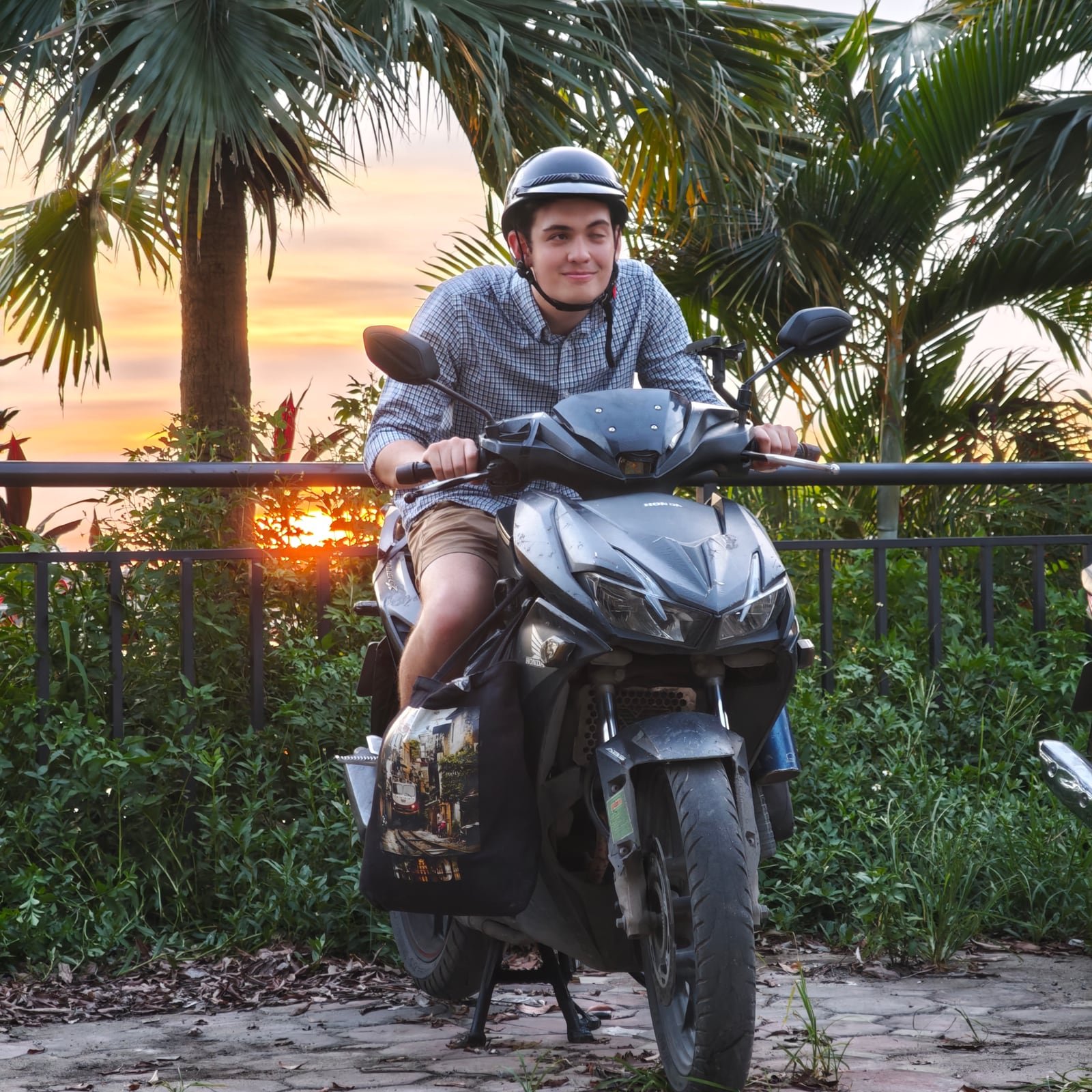
Open road adventure
Fresh air, good lodges and active days without rough edges.
The Experience
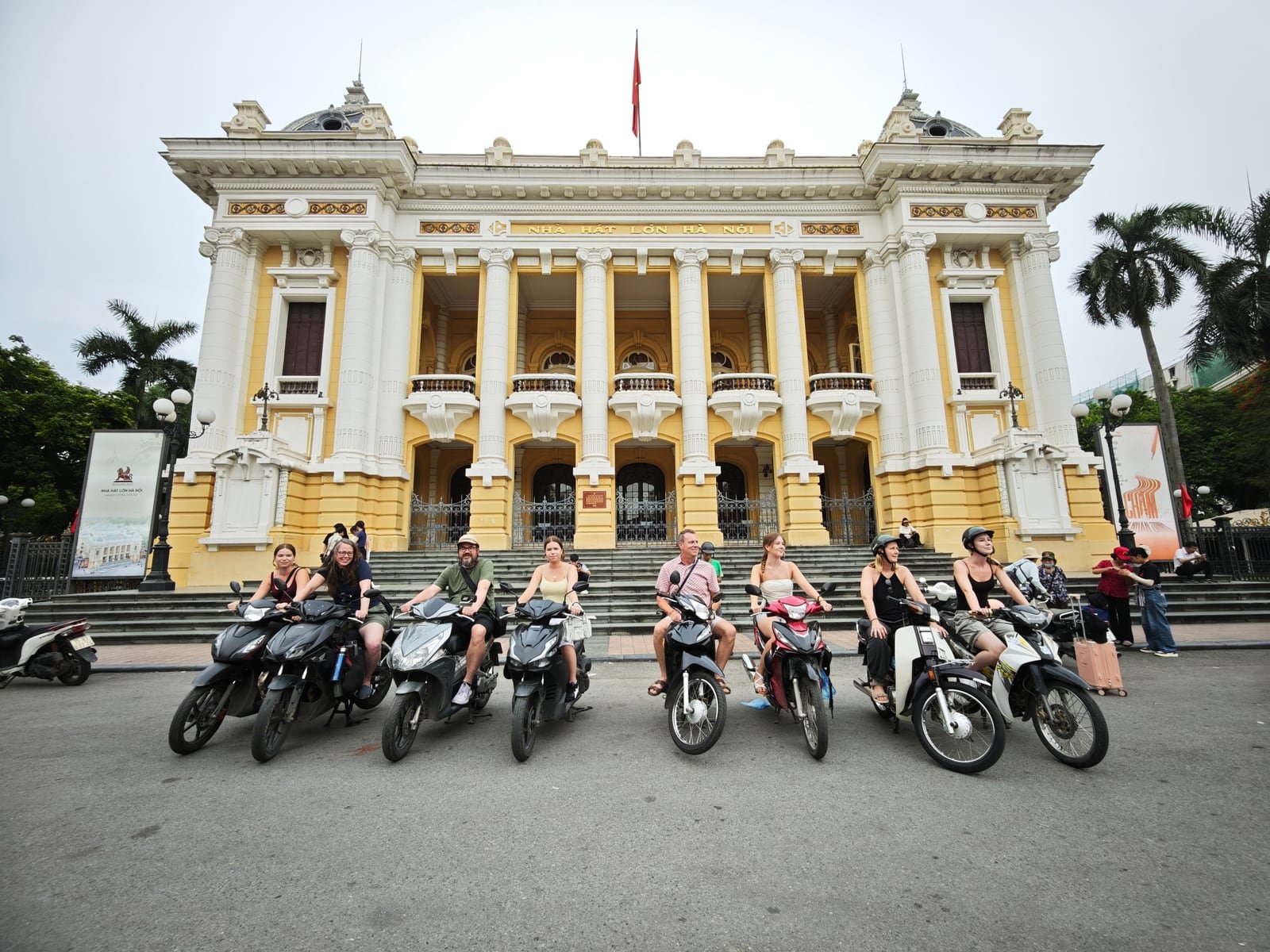
Motorbike Adventure Tour designed for movement, scenery and recovery. The route stays active without losing comfort.
Classic motorbike journeys along Vietnam's most scenic coastal and mountain roads with experienced local guides.
Active days are adjusted around fitness, weather and comfort.
Scenic stops are placed where the light and timing work best.
Good hotels, spa time and slower evenings protect the journey.
Drivers, luggage and route timing are handled before you arrive.
Photography
Your Journey
Private transfer to the first lodge with time to settle in before dinner.
Active touring balanced with comfortable pacing and recovery windows.
Guided stops, market time or wildlife viewing selected around season and light.
A lighter final day before your onward route.
What's Included
Sample Hotels
Sapa, Vietnam
Golden Triangle
Cambodia
Hotels vary by departure date and availability. All properties meet our quality standard.
Motorbike Adventure Tour Tours
These journeys are tagged and ranked for motorbike adventure tour based on route, activities, water time and the tour style data.
36 matching motorbike adventure tour tours

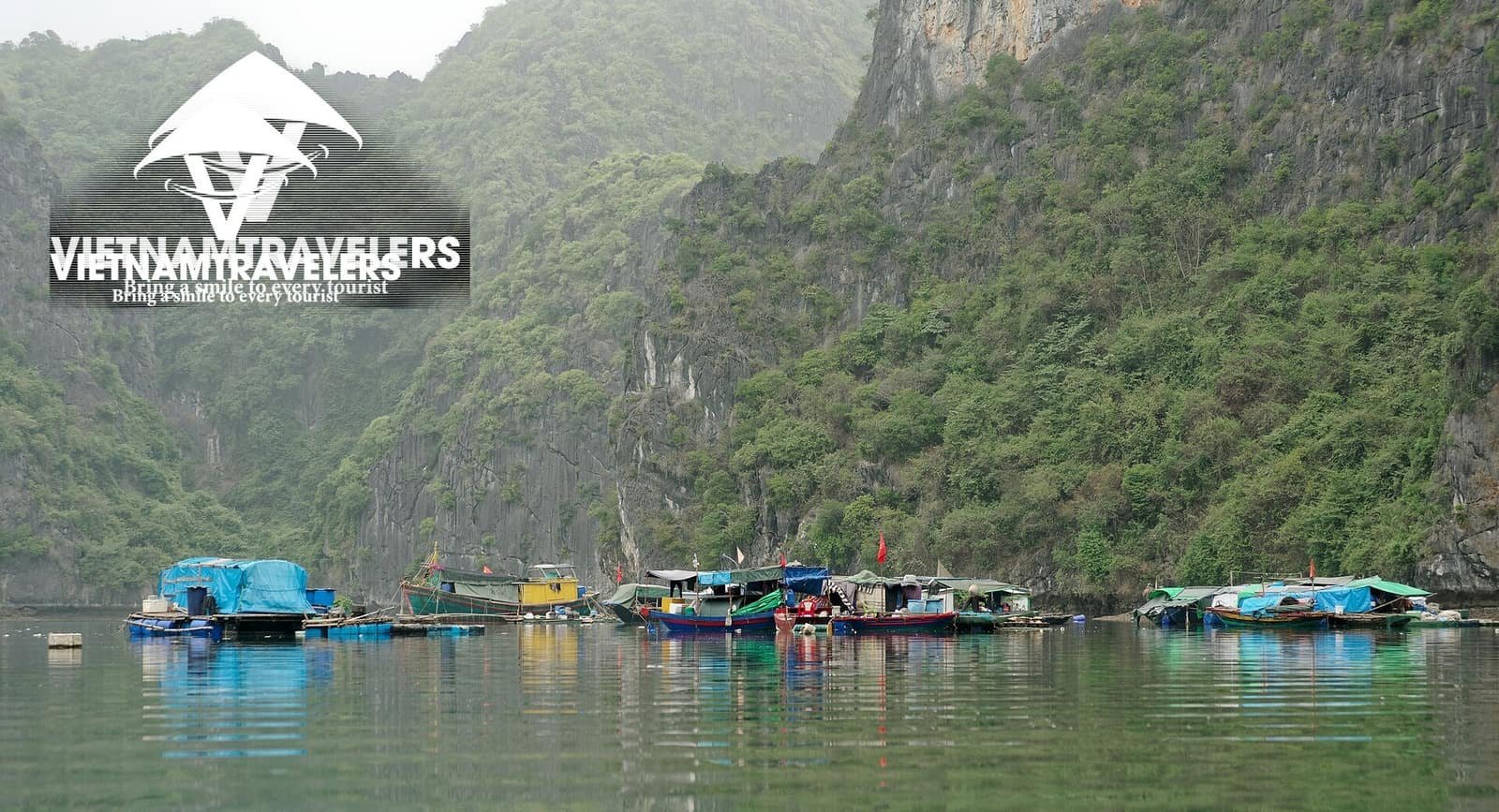
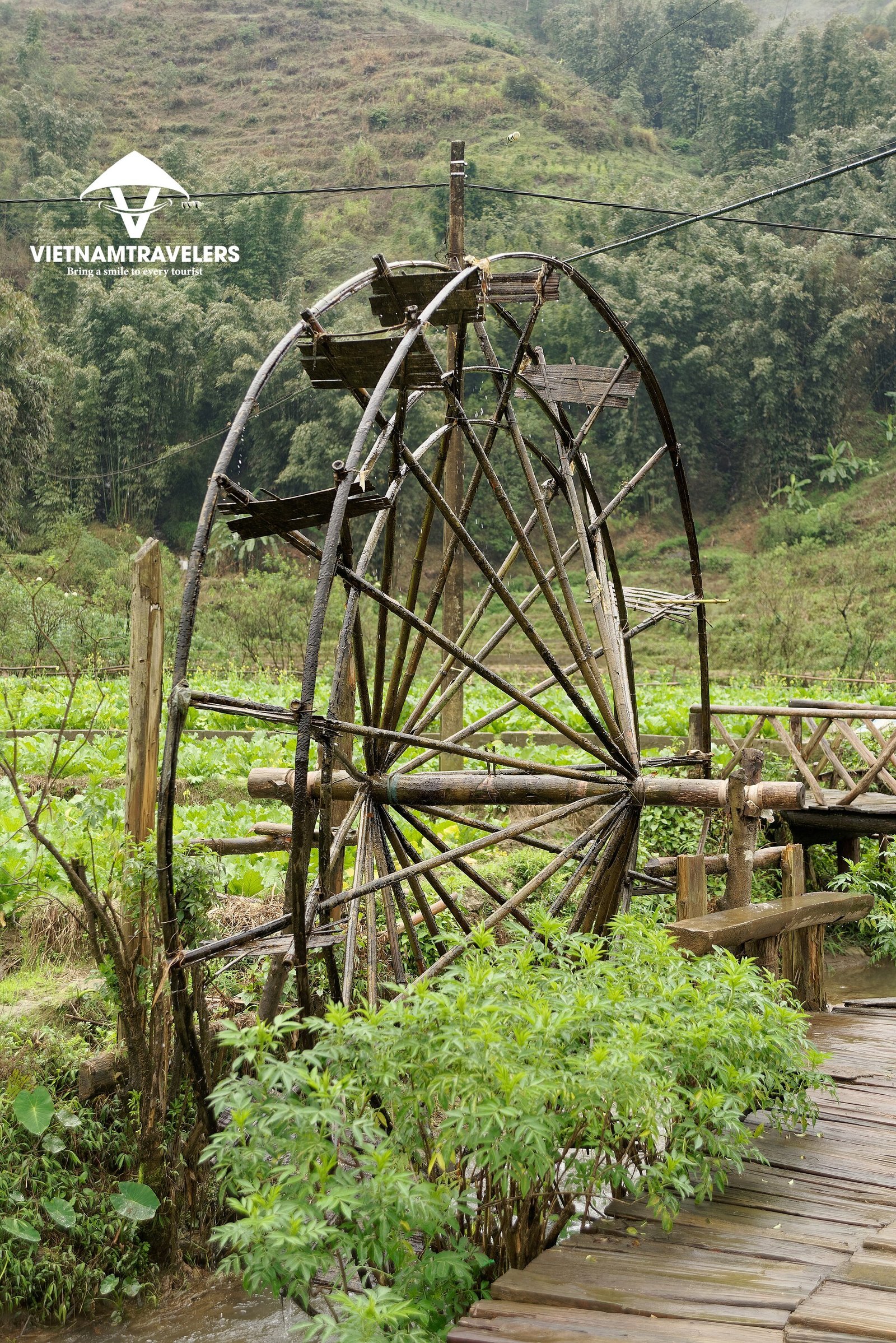
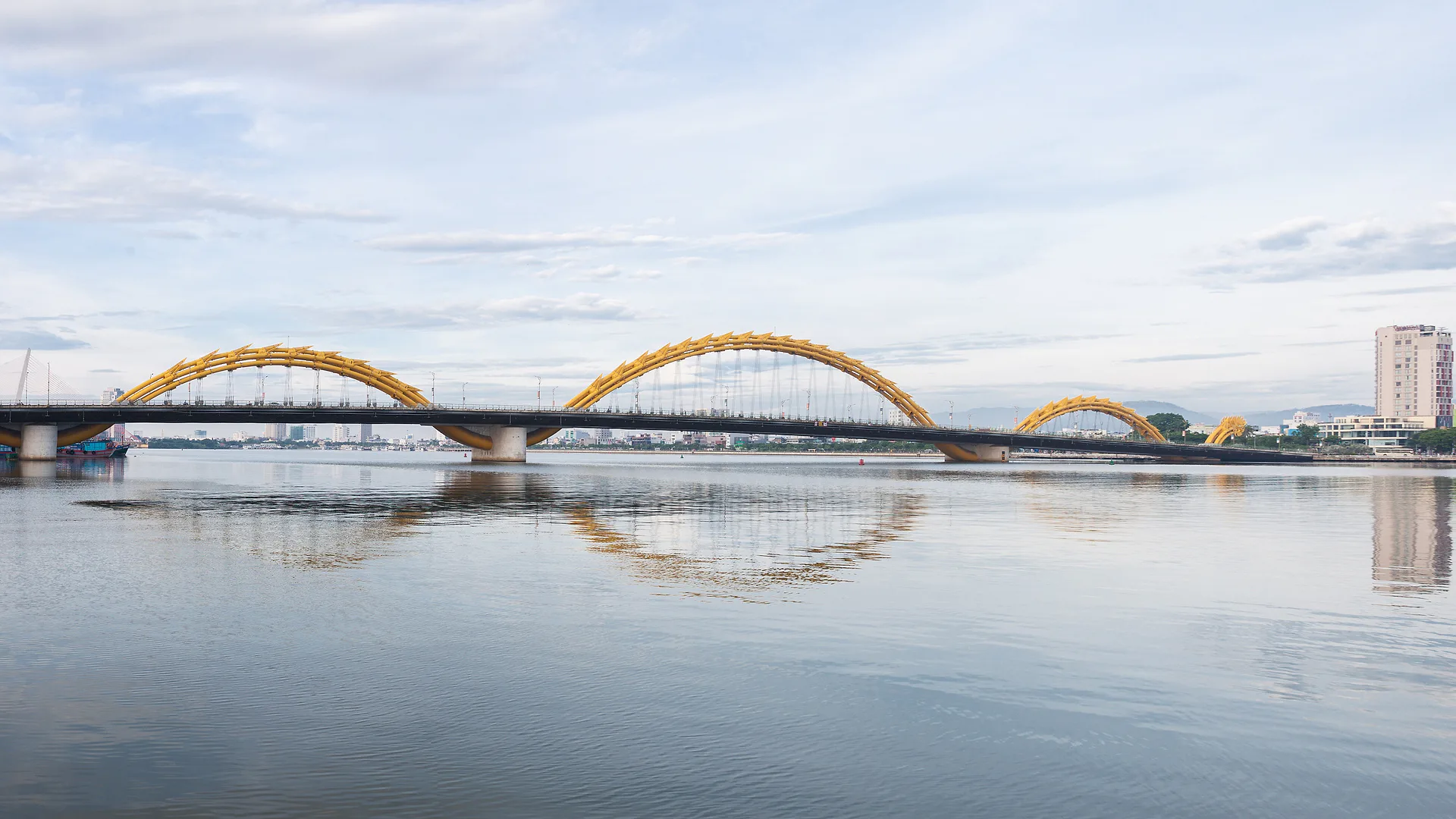
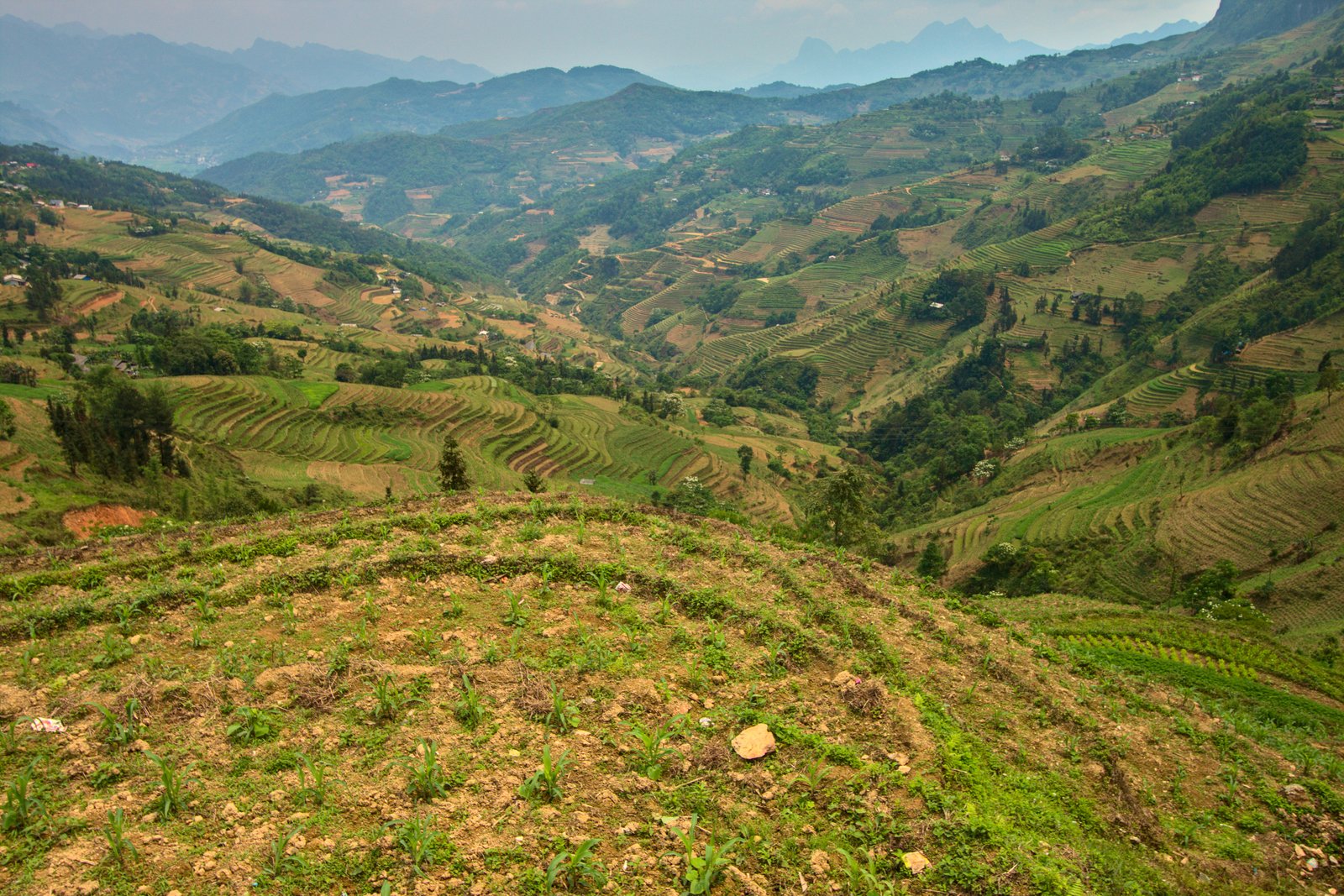

Motorbike guide
Motorbike Adventure Tours should be planned around the rider before the route. The first decision is not Ha Giang, Cao Bang or Hai Van Pass. It is whether you want to ride yourself, travel behind an experienced local rider, or use a privately guided format with stronger support.
Vietnam gives this travel style unusual range. In one trip, the road can move from karst mountains and tight northern passes to rice valleys, highland towns, coastal viewpoints and quieter countryside. That variety is the appeal, but it also means road surface, weather, daily saddle time and luggage strategy need to be treated as core itinerary details.
A strong journey avoids turning every day into a mileage target. Scenic stops, meals, village time, hotel recovery and a realistic finish time matter as much as the riding itself. The best route feels progressive rather than relentless.
This guide compares rider formats, Ha Giang and Cao Bang loops, Northwest and Central Vietnam routes, bike and luggage planning, trip lengths, weather considerations and the support details to confirm before booking.

Motorbike packages can look similar on a map while creating very different experiences on the road. A self-ride journey gives the traveler direct control, but it also places more responsibility on the rider for bike handling, documentation, insurance and day-to-day judgment. An Easy Rider or pillion format shifts the driving to an experienced local rider, allowing the guest to concentrate on scenery and stops.
Guided self-ride sits between those two models. The traveler operates a bike while a local guide manages navigation, timing, fuel stops and route changes. On longer or more remote journeys, a mechanic or support vehicle may also be part of the operating plan. Ask exactly what support is included rather than assuming that “guided” means the same thing on every tour.
Travelers who intend to self-ride should verify current licence, insurance and rental requirements for their nationality and policy before departure. Do this before paying for a route that depends on self-riding. If those requirements are unclear, compare a pillion or Easy Rider format instead of treating the paperwork as a last-minute detail.
For first-time visitors, a short city or countryside ride can be useful before committing to a multi-day mountain circuit. It reveals how comfortable the traveler feels with traffic, weather, helmets, sitting time and the general rhythm of moving through Vietnam by motorbike.
Compare formats: Motorbike Adventure Tour | Hanoi Motorbike Tour | Customize your trip

Ha Giang is the clearest starting point for travelers who picture northern Vietnam as a motorbike journey. The region combines steep limestone scenery, high passes, river valleys and small towns connected by roads that reward frequent stops. Trying to compress that landscape into a simple distance-per-day calculation misses the reason to ride it.
The strongest Ha Giang plan protects time for Dong Van, the wider karst plateau and the Ma Pi Leng area without forcing an early start and late finish every day. A route can cover impressive distance on paper and still feel rushed if every viewpoint, meal and village stop becomes a five-minute pause between long riding blocks.
Three days can create a focused loop when the traveler accepts a brisker rhythm. Four days gives more room for stops and recovery and is often easier to adapt when weather changes. The decision should be based on desired pace, rider format and transfer arrangements before and after the loop, not only on the number of named attractions.
Accommodation is part of the pacing. A comfortable night, hot shower, reliable meal and clear departure time can make the next day noticeably better. This is especially important for guests who are passengers rather than regular riders and may underestimate how tiring several consecutive hours on a bike can feel.
Ha Giang routes: Easy Rider Ha Giang Loop 3 days | Ha Giang Motorbike Tour 4 days 3 nights

Cao Bang changes the character of a northern motorbike trip. Instead of repeating the Ha Giang loop, it can extend the journey east through another set of limestone roads, valleys and rural landscapes, with Ban Gioc providing a strong visual anchor. The attraction is the change in geography, not simply another province on the checklist.
The challenge is distance. Ha Giang and Cao Bang look close enough to combine on a regional map, but mountain-road travel is slower and more variable than straight-line distance suggests. A good itinerary explains how many hours are expected on the bike, where the longest sectors sit and what happens if rain or road work reduces the practical pace.
For travelers with limited time, a dedicated Cao Bang loop may be stronger than forcing Ha Giang and Cao Bang together. Longer off-road concepts make more sense when the journey itself is the main holiday and the traveler accepts multiple active road days in sequence.
Ban Gioc, caves and river landscapes also create reasons to get off the bike. Protecting those stops prevents the trip from becoming a transit exercise. The motorbike should connect experiences, not replace them.
Northeast options: Cao Bang Easy Rider 3-Day Tour | Vietnam Off-Road by Motorbike 10 days

The Northwest offers a different rhythm from the Ha Giang Loop. Mai Chau begins with a broad valley and calmer rural scenery. Mu Cang Chai adds terraced hillsides and steeper mountain roads. Sapa brings a higher-altitude finish with more developed accommodation and a wider choice of walking or cultural add-ons.
This sequence suits travelers who want the road to change each day rather than circle back toward the starting point. It also creates a natural progression in scenery, which is why a multi-day route can feel more coherent than several unrelated motorbike day trips stitched together.
Daily distance still needs restraint. A route through the Northwest becomes much richer when lunch, terrace viewpoints and local stops are allowed to interrupt the road. If every day is designed around the maximum distance that can technically be ridden, the landscape becomes background rather than the purpose of travel.
An eight-day northern journey can also combine the riding with comfortable hotel nights and non-riding time. This is a useful format for travelers who want real road exposure without treating the entire holiday as an endurance event.
Northwest route: Amazing North Vietnam Motorbike Adventure 8 days | Adventure Tours

Not every motorbike holiday needs to be a mountain loop. Central Vietnam works well for travelers who want one memorable road day inside a broader cultural or beach itinerary. The coast, lagoon viewpoints, countryside roads and passes between major destinations can make the transfer itself part of the experience.
Hai Van Pass is the obvious scenic reference point between Hue and Da Nang, but a good day should not be reduced to one viewpoint. Start time, weather, traffic, stops, lunch and the final hotel arrival all shape whether the ride feels relaxed or rushed. The same principle applies to countryside rides around Dong Hoi and other central bases.
A one-day format is also useful for couples or groups where not everyone wants a multi-day motorbike journey. The active traveler can add a guided ride while the wider trip remains focused on food, heritage, beach time or private touring.
Central Vietnam also creates an easier exit strategy when weather turns poor. A privately arranged route can change the riding segment, use a vehicle for part of the transfer or shift the experience to another day without redesigning an entire ten-day motorbike circuit.
Central riding: Full-Day Countryside Motorbike Adventure from Dong Hoi | Customize your trip
A responsible proposal should state the bike type or at least the expected category, how sizing is handled, what helmet and protective equipment are supplied, and what happens if the bike develops a mechanical problem. These details become more important as the route moves away from major towns.
Bigger is not automatically better. The most useful bike is the one that fits the rider, the surface, luggage load and level of experience. Travelers should ask how the operator chooses bikes for shorter riders, pillion passengers and mixed-experience groups rather than selecting only by engine size.
Luggage needs equal attention. Multi-day motorbike travel is easier with one compact soft bag than with a suitcase designed for hotel transfers. Ask whether the main luggage can be stored or moved separately, what bag is carried on the bike, and whether waterproof protection is supplied for electronics and clothing.
On longer routes, support can change the whole experience. A guide who can adjust pace, a mechanic for larger groups, and a clear plan for breakdowns or early exits are more valuable than a long list of decorative inclusions. The traveler should know who makes the operational decision when road or weather conditions change.
Related active styles: Biking Tours | Trekking Tours | Motorbike Adventure Tour

Duration labels hide very different riding loads. A three-day Easy Rider loop with moderate daily stops may feel calmer than a five-day self-ride route with long transfers and little recovery. Compare the daily schedule, not just the total number of days.
One-day rides work best as introductions or scenic transfers. Two to four days supports a focused loop such as Ha Giang or Cao Bang. Five to eight days allows a broader regional story through the Northwest or Highlands. Eight to ten days can support a more ambitious Northeast or off-road circuit when the traveler is genuinely comfortable with consecutive active days.
Long cross-country journeys should not be built by repeating the same riding intensity every day. Add non-riding time, shorter sectors or cultural stops so fatigue does not accumulate invisibly. The road should remain enjoyable on day seven, not only impressive on the itinerary PDF.
The table below is a planning framework rather than a promise of current availability. Final routes should be rechecked for weather, road access, guide availability and the rider format selected for the trip.
Longer concepts: Vietnam Off-Road by Motorbike 10 days | Saigon to Danang Highlands Motorbike Tour 7 days
| Motorbike format | Typical duration | Best for | Main consideration |
|---|---|---|---|
| City / countryside taster | Half day-1 day | First-time guests and active add-ons | Traffic, heat and comfort can matter more than distance |
| Easy Rider loop | 2-4 days | Ha Giang or Cao Bang with local rider support | Daily saddle time and transfer to/from the loop |
| Focused North Vietnam route | 5-8 days | Mai Chau, Mu Cang Chai, Sapa or mixed northern scenery | Hotel changes, weather and recovery rhythm |
| Northeast / off-road circuit | 8-10 days | Experienced active travelers wanting remote roads | Road complexity, support, fatigue and contingency |
| Highlands journey | 6-8 days | Travelers wanting a point-to-point regional route | Longer geographic progression and luggage handling |
| Cross-country concept | 12-16+ days | Riders making the motorbike journey the main holiday | Recovery days, bike support and route flexibility |
Weather can change both comfort and route quality. Rain affects visibility, temperature, road grip and the time needed to cover mountain sectors. Heat can be equally tiring on exposed roads, especially when riders wear protective equipment for several hours. The itinerary needs room to respond rather than pretending every day will run to a fixed minute.
Ask the operator how the route changes when a pass has poor visibility, a road section is disrupted or the group is simply more tired than expected. A private motorbike journey should have practical options: leave later, shorten the sector, remove a minor stop, transfer by vehicle or adjust the overnight point when logistics allow.
Recovery is part of safety and enjoyment. Regular water stops, a real lunch, enough time to shower and rest before dinner, and sensible evening arrivals reduce the sense of constant motion. This is particularly important for pillion guests who may not be operating the bike but still experience vibration, wind and long periods in the same seated position.
Avoid treating rain as the only reason to reconsider a day. Fatigue, illness, poor visibility and confidence matter too. The strongest plan gives the traveler permission to change the route without feeling that the holiday has failed.
Flexible planning: Private Custom Tours | Sustainable & Eco Tours
A useful motorbike proposal should remove ambiguity before the guest arrives. It needs to state the rider format, bike or vehicle setup, daily route logic, approximate riding load, guide support, luggage handling, accommodation and what is provisional. A beautiful route map is not enough if the traveler does not know how the trip actually operates.
For self-riders, the operator should make clear what documents or insurance checks remain the traveler’s responsibility. For pillion travelers, the proposal should explain who the rider is, how helmets and protective equipment are handled and whether the same driver stays with the guest through the route.
Fuel, basic bike support, accommodation, meals and entrance fees should be clearly marked as included or excluded. On remote or longer circuits, the emergency contact, breakdown process and route-change authority matter more than small promotional extras.
Finally, the booking terms should allow for the realities of an outdoor road trip. Weather, road works, closures and traveler condition can alter the route. The guest should understand whether the operator substitutes, shortens, reroutes or postpones an affected segment and how any material change is communicated.
Build a tailored ride: Motorbike Adventure Tour | Customize your trip
Self-ride means the traveler operates the motorbike. Easy Rider or pillion travel places the guest behind an experienced local rider. Guided self-ride is a third format where the traveler rides while a guide manages navigation and pacing.
Three days can create a focused loop, while four days gives more room for viewpoints, stops and recovery. The better choice depends on rider format, desired pace and the transfer plan before and after Ha Giang.
Yes, but the route should be treated as a longer Northeast journey rather than two short loops forced together. Check the longest mountain-road sectors, overnight points and contingency time before booking.
Requirements depend on the rider, licence, rental arrangement and insurance policy. Travelers who plan to self-ride should verify current legal and insurance requirements for their situation before paying for a self-ride route.
Yes. A pillion or Easy Rider format allows the guest to travel behind a local rider. Confirm who the rider is, helmet and protective equipment, luggage arrangement and whether the same rider stays with you throughout the trip.
Pack light. A compact soft bag, quick-dry clothing, rain protection, sun protection and a secure way to protect electronics are more practical than a large suitcase. Ask whether main luggage can be stored or transferred separately.
Yes. A guided countryside ride or scenic transfer can add a strong active day without turning the whole holiday into a motorbike expedition. Weather and fixed hotel or flight commitments should still be considered.
The proposal should specify rider format, bike setup, helmet and gear, guide support, fuel, luggage handling, riding load, accommodation, meals, breakdown procedure, emergency contact and weather or road-change process.
A beginner may be better suited to a pillion format or a short introductory ride. Self-riding on mountain roads should only be considered when the traveler has the required experience, documentation, insurance and confidence for the proposed conditions.
A private operator should be able to shorten, reroute or substitute the affected segment when practical. Ask how those decisions are made and what vehicle or overnight alternatives exist before the trip starts.
Share your dates, rider experience, preferred regions, group profile and comfort expectations. Vietnam Travelers can match the route, local guiding, support and recovery time to the way you actually want to travel.
Design my motorbike adventure